
Radiator Aluminium Profile Extrusion Dies are essential tools used in the manufacturing process of aluminum radiator profiles. These dies are designed to shape and form the aluminum material into specific profiles that are used in the construction of radiators for various applications.
The role of Radiator Aluminium Profile Extrusion Dies is crucial in ensuring the quality and precision of the aluminum profiles. These dies are custom-made according to the exact specifications of the radiator profiles that need to be produced. They are typically made of high-quality materials such as steel or carbide to withstand the high pressure and temperature of the extrusion process.
The importance of Radiator Aluminium Profile Extrusion Dies lies in their ability to create complex and intricate profiles with high accuracy and consistency. These dies are engineered with precision to produce smooth surfaces, sharp angles, and tight tolerances required for radiator components. By using these dies, manufacturers can achieve uniformity in their radiator profiles, resulting in products that meet the required standards and specifications.
Furthermore, Radiator Aluminium Profile Extrusion Dies play a significant role in improving the efficiency and productivity of the manufacturing process. By using custom-designed dies, manufacturers can optimize the extrusion process, reduce material waste, and minimize production time. This ultimately leads to cost savings and higher output levels for the production of aluminum radiator profiles.
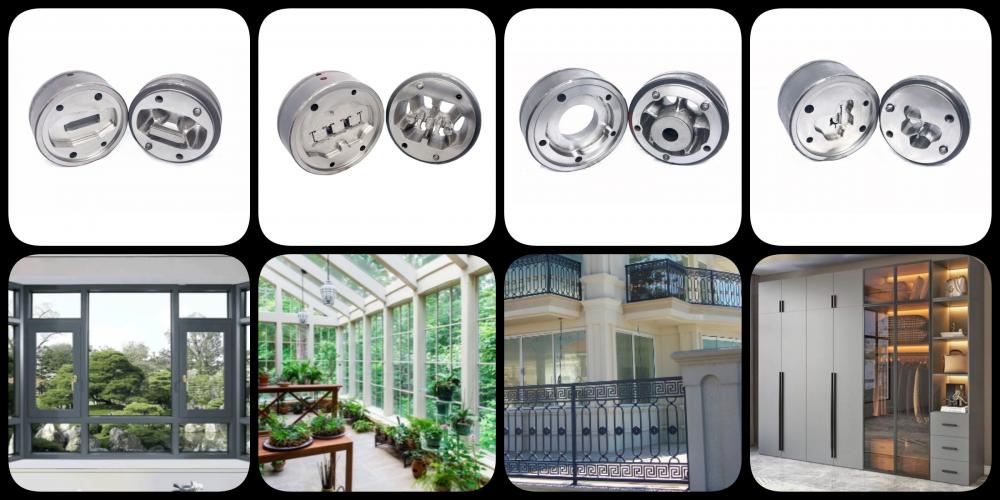
In conclusion, Radiator Aluminium Profile Extrusion Dies are indispensable tools in the manufacturing of aluminum radiator profiles. Their precise design, high-quality materials, and custom-made specifications make them essential for achieving the desired quality, accuracy, and efficiency in the production process. Manufacturers rely on these dies to create high-quality radiator profiles that meet industry standards and customer requirements.
2. Structure and composition
2. Structure and composition
Structure and composition play a crucial role in the performance and functionality of Radiator Aluminium Profile Extrusion Dies. These dies are complex tools that are carefully designed and constructed to withstand the high pressures and temperatures of the extrusion process.
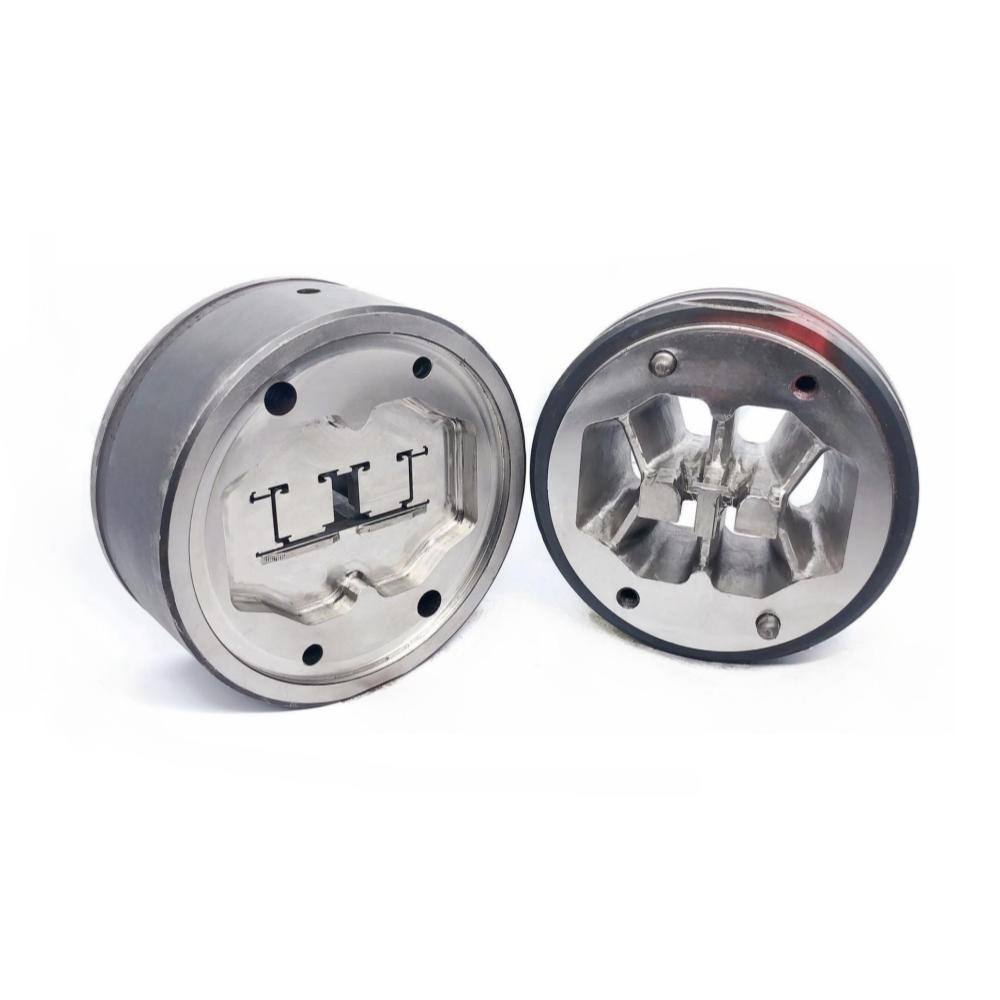
The structure of Radiator Aluminium Profile Extrusion Dies typically consists of multiple components that work together to shape the aluminum material into the desired profile. The main components include the die body, die inserts, and die holder. The die body is the main structure of the die and provides the support and stability required during the extrusion process. It is usually made of high-quality steel or carbide to ensure durability and resistance to wear.
Die inserts are another important component of Radiator Aluminium Profile Extrusion Dies. These inserts are made from materials such as steel or carbide and are precision-machined to create the specific profile needed for the radiator. The inserts are inserted into the die body and can be replaced or modified as per the requirements of different radiator profiles.
The die holder is responsible for holding the die components together and ensuring their proper alignment during the extrusion process. It is usually made of high-strength steel to provide stability and withstand the forces exerted during extrusion. The die holder also includes channels for the flow of cooling fluids to maintain the temperature of the die during operation.
In addition to the main components, Radiator Aluminium Profile Extrusion Dies may also include other elements such as pins, screws, and springs. These components are used to secure and adjust the die inserts, allowing for precise control over the extrusion process.
The composition of Radiator Aluminium Profile Extrusion Dies plays a crucial role in determining their performance and durability. High-quality materials, such as tool steel or carbide, are commonly used for the die body and inserts. These materials offer excellent strength, resistance to wear, and thermal stability, ensuring the dies can withstand the demanding conditions of the extrusion process.
Furthermore, the composition of the die inserts is carefully selected based on the specific requirements of the radiator profile. Different grades of steel or carbide are chosen to ensure the desired hardness, surface finish, and dimensional accuracy of the final product.
In conclusion, Radiator Aluminium Profile Extrusion Dies are complex tools with a well-designed structure and carefully selected composition. The combination of durable materials and precise construction allows these dies to withstand the high pressures and temperatures of the extrusion process, shaping the aluminum material into precise and accurate radiator profiles. The quality and performance of these dies directly impact the efficiency and productivity of the manufacturing process, ultimately leading to high-quality radiator profiles that meet industry standards and customer requirements.
3. Manufacturing process
3. Manufacturing process
The manufacturing process of Radiator Aluminium Profile Extrusion Dies involves several steps to ensure the production of high-quality and precise dies.
The first step in the manufacturing process is the design and engineering of the dies. This involves the collaboration between designers, engineers, and manufacturers to create a die that meets the specific requirements and specifications of the radiator profile. Advanced design software and techniques are used to create a 3D model of the die, allowing for precise measurements and simulations to ensure optimal performance.
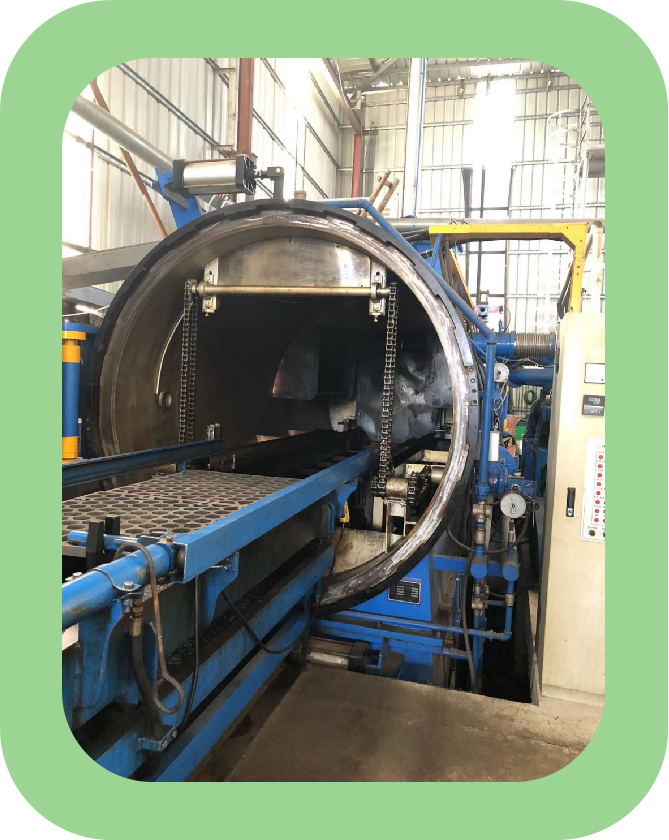
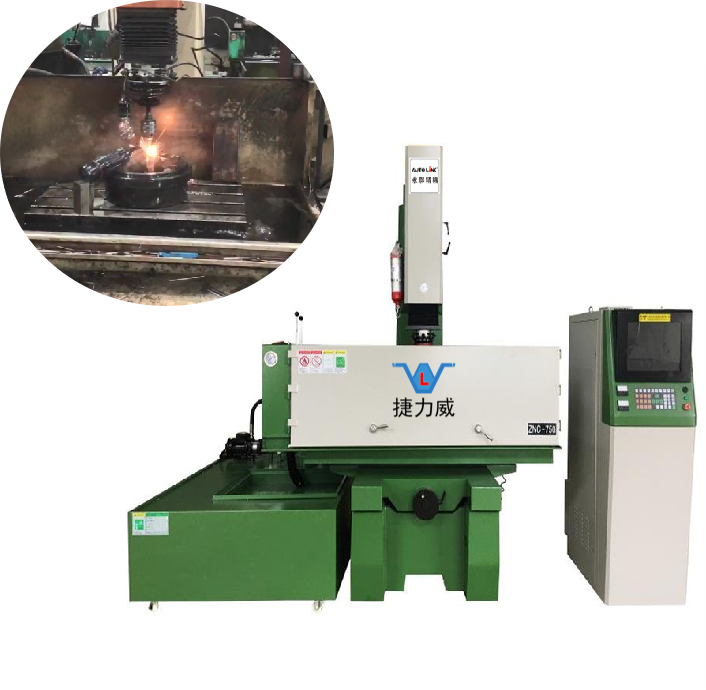
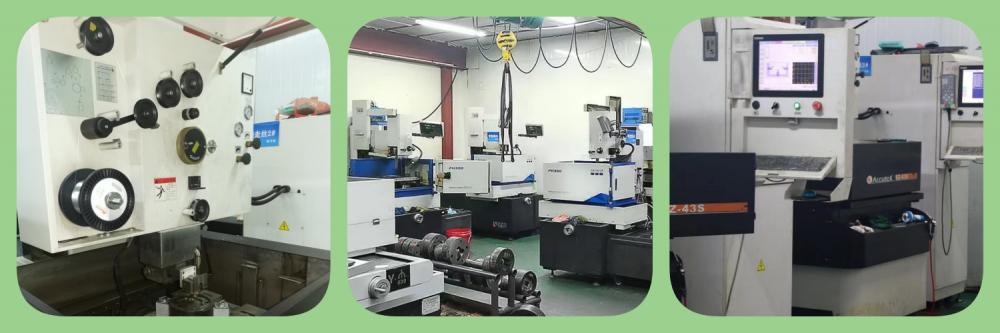
Once the design is finalized, the next step is the fabrication of the die components. High-quality materials such as tool steel or carbide are selected based on the specific needs of the die. The die body, die inserts, and die holder are machined and precision-ground to meet the required tolerances and dimensions. This process may involve CNC machining, wire cutting, and other advanced manufacturing techniques to ensure accuracy and consistency.
After the individual components are fabricated, they are assembled together to create the complete die. Careful attention is given to aligning the components and securing them in place using screws, pins, or other methods. This ensures that the die can withstand the high pressures and temperatures of the extrusion process without any distortion or failure.
Once the die is assembled, it undergoes a series of testing and quality control procedures to ensure its functionality and performance. This may involve conducting simulations and prototypes to validate the die's design and functionality. The die is also inspected for any defects or imperfections that may affect its performance.
After passing the quality control tests, the die is ready for use in the extrusion process. The die is mounted onto the extrusion machine, and the aluminum material is fed into the die cavity. The high pressure and temperature of the extrusion process force the aluminum material to flow through the die, taking on the shape and form of the radiator profile.
Throughout the manufacturing process, proper maintenance and care of the dies are crucial to ensure their longevity and performance. Regular cleaning, lubrication, and inspection are carried out to prevent any buildup of material or damage to the die.
In conclusion, the manufacturing process of Radiator Aluminium Profile Extrusion Dies involves careful design, fabrication, assembly, testing, and quality control procedures. The use of advanced technology, precision machining, and high-quality materials ensures the production of dies that can withstand the demanding conditions of the extrusion process and produce high-quality radiator profiles.
4. Use and maintenance, and common troubleshooting methods
4. Use and maintenance, and common troubleshooting methods
Radiator Aluminium Profile Extrusion Dies are critical components in the manufacturing process of aluminum radiator profiles. These dies are used to shape and form the aluminum profiles into the desired radiator shapes, ensuring high precision and quality in the final products. Proper use, maintenance, and troubleshooting methods are essential for ensuring the efficient operation of these dies and the overall success of the production process.
Use:
The proper use of Radiator Aluminium Profile Extrusion Dies is crucial for achieving high-quality radiator profiles. Operators should ensure that the dies are used within the specified parameters, including temperature, pressure, and extrusion speed. It is important to follow the manufacturer's guidelines for die setup and operation to prevent damage and maintain product quality. Additionally, regular inspection of the dies during operation can help identify any issues early on and prevent further damage.
Maintenance:
Regular maintenance of the Radiator Aluminium Profile Extrusion Dies is essential for prolonging their lifespan and ensuring consistent performance. This includes cleaning, lubrication, and inspection of the dies after each use. Any signs of wear, corrosion, or damage should be addressed promptly to prevent further deterioration. Proper storage of the dies in a clean and controlled environment is also important to prevent contamination and ensure their longevity.
Common troubleshooting methods:
Despite proper use and maintenance, issues with Radiator Aluminium Profile Extrusion Dies may still arise. Common problems include die wear, surface defects on the profiles, and dimensional inaccuracies. To address these issues, operators should first conduct a thorough inspection of the dies to identify the root cause of the problem. Adjustments to the extrusion parameters, such as temperature and pressure, may be necessary to rectify surface defects and dimensional inaccuracies. In cases of die wear, repairing or replacing the damaged sections of the dies may be required to restore their functionality.
In conclusion, Radiator Aluminium Profile Extrusion Dies play a critical role in the production of high-quality radiator profiles. Proper use, regular maintenance, and effective troubleshooting methods are essential for ensuring the integrity and performance of these dies. By following the recommended guidelines and promptly addressing any issues that arise, operators can maximize the efficiency and longevity of the dies, ultimately contributing to the success of the radiator manufacturing process.
5. Application areas
5. Application areas
Radiator Aluminium Profile Extrusion Dies are a critical component in the manufacturing process of radiator aluminum profiles. These dies are responsible for shaping and forming the aluminum material into the desired profile, ensuring precise and accurate dimensions and a high-quality finish. The design and quality of these dies are essential for the production of radiator aluminum profiles that meet industry standards and customer requirements.
The application areas of Radiator Aluminium Profile Extrusion Dies are diverse and widespread, spanning a variety of industries and sectors. One of the primary application areas is in the automotive industry, where radiator aluminum profiles are used in the construction of radiators for vehicles. The efficient heat dissipation properties of aluminum make it an ideal material for radiator construction, and the use of high-quality extrusion dies ensures the accurate production of complex profiles that are essential for optimal radiator performance.
Another significant application area for these extrusion dies is in the heating, ventilation, and air conditioning (HVAC) industry. Aluminum profiles are widely used in the manufacturing of heat exchangers, air conditioning units, and other HVAC components. The precise and consistent shaping of aluminum profiles using extrusion dies is crucial for ensuring the functionality and reliability of these systems, making the dies indispensable in this sector.
Additionally, Radiator Aluminium Profile Extrusion Dies find application in the construction and architectural industries. Aluminum profiles are commonly used in the fabrication of architectural elements, such as window and door frames, curtain walls, and structural components. The use of high-quality extrusion dies is essential for achieving the precise dimensions, tight tolerances, and smooth surface finishes required for these applications, contributing to the overall aesthetics and performance of the finished products.
Furthermore, the aerospace and transportation industries benefit from the use of radiator aluminum profiles, which are integral to the construction of aircraft components, marine structures, and transportation vehicles. The application of extrusion dies ensures the production of aluminum profiles that meet the stringent requirements for strength, weight, and corrosion resistance in these demanding environments.
In the industrial and commercial sectors, radiator aluminum profiles are utilized in various applications, including heat sinks, electronic enclosures, and machinery components. The accurate and reliable production of these profiles, facilitated by the use of high-quality extrusion dies, contributes to the efficient operation and performance of industrial equipment and systems.
In conclusion, Radiator Aluminium Profile Extrusion Dies play a crucial role in the manufacturing of radiator aluminum profiles, which have diverse application areas across industries such as automotive, HVAC, construction, aerospace, transportation, and industrial sectors. The precision and quality of these dies directly impact the performance, functionality, and aesthetics of the finished products, making them an essential tool for achieving high-quality aluminum profiles for a wide range of applications.
6. Development trends
Development trends in the field of Radiator Aluminium Profile Extrusion Dies are influenced by various factors such as technological advancements, material innovations, market demands, and sustainability considerations. These trends play a crucial role in shaping the future of the industry and guiding the development of extrusion dies for radiator aluminum profiles.
One of the prominent development trends in the industry is the integration of advanced manufacturing technologies into the design and production of extrusion dies. Computer-aided design (CAD) and computer-aided manufacturing (CAM) systems are increasingly being used to create intricate die designs with high precision and efficiency. The use of simulation software allows for virtual testing and optimization of die designs, leading to improved performance and reduced lead times.
Furthermore, the adoption of additive manufacturing techniques, such as 3D printing, is gaining traction in the production of prototype dies and customized components. Additive manufacturing offers flexibility in die design, rapid prototyping, and the ability to create complex geometries, contributing to greater design freedom and innovation in the development of extrusion dies.
Another significant trend in the development of Radiator Aluminium Profile Extrusion Dies is the focus on material advancements. Die materials with enhanced durability, wear resistance, and thermal properties are being researched and implemented to prolong the lifespan of extrusion dies and improve their performance. Additionally, the exploration of new coating technologies and surface treatments aims to minimize friction, prevent die sticking, and maintain the dimensional accuracy of the profiles during extrusion.
Moreover, sustainability considerations are increasingly shaping the development of extrusion dies for radiator aluminum profiles. The industry is moving towards the use of eco-friendly materials and manufacturing processes to minimize environmental impact. This includes the adoption of recyclable die materials, energy-efficient die heating and cooling systems, and the implementation of waste reduction practices in die production.
In response to market demands, there is a growing trend towards the development of multi-functional extrusion dies that can produce a wide range of complex profiles with high efficiency and accuracy. Versatile dies capable of accommodating varying profile geometries, wall thicknesses, and surface finishes are becoming increasingly sought after to meet the diverse requirements of radiator aluminum profile applications.
Furthermore, the industry is witnessing a shift towards the development of intelligent dies equipped with sensors and monitoring systems. These smart dies can collect real-time data on parameters such as temperature, pressure, and die wear, allowing for proactive maintenance, process optimization, and quality control.
In conclusion, the development trends in Radiator Aluminium Profile Extrusion Dies are driven by technological advancements, material innovations, market demands, and sustainability considerations. The integration of advanced manufacturing technologies, focus on material advancements, sustainability initiatives, and the pursuit of multi-functional and intelligent dies are shaping the future of the industry and guiding the development of extrusion dies for radiator aluminum profiles. These trends are pivotal in enhancing the performance, efficiency, and environmental sustainability of the die manufacturing process, ultimately influencing the quality and versatility of radiator aluminum profiles for diverse applications.
Foshan Jieliwei Metal Products Co., Ltd., formerly known as Jieliwei Hardware Processing Factory, was established in October 2006 and upgraded to Foshan Jieliwei Metal Products Co., Ltd. in 2020. The company is located in Sanshui District, Foshan City, Guangdong Province, covering an area of 7000 square meters and employing 200 people.
Our company mainly produces aluminum profile extrusion molds, with a complete mold design, mold programming, and professional product development team. Moreover, the mold production process is mature (including 15 production processes such as cutting, lathe, machining center, wire cutting, electric spark, heat treatment, slow wire cutting, etc.), and we have a complete team of after-sales services.Product Categories:Architectural Aluminum Profile extrusion Dies,Thermal Break Windows Extrusion Dies,Casement Window Profile Extrusion Dies,Curtain Wall Profile Extrusion Dies,Lighting Aluminium Profile Extrusion Dies,Staircase Handrail Profile Extrusion Dies,Photovoltaic Aluminium Profile Extrusion Dies.
Our company has obtained many patents for mold design and processing technology, and has been awarded the title of Foshan High tech Enterprise. The monthly production capacity ranges from 5000 to 6000 sets, with main products including industrial products, radiators, solar houses, building materials, automobiles, solar energy frames, bathroom aluminum molds, etc.