

Bracket Aluminium Profile Extrusion Dies play a crucial role in the manufacturing process of bracket aluminium profiles. These dies are responsible for shaping and forming the aluminium material into the desired bracket profile, ensuring precise dimensions and a high-quality finish. The design and quality of these dies are essential for the production of bracket aluminium profiles that meet industry standards and customer requirements.
The application areas of Bracket Aluminium Profile Extrusion Dies are diverse and widespread, spanning a variety of industries and sectors. One of the primary application areas is in the construction industry, where bracket aluminium profiles are widely used for structural support, mounting systems, and other applications. The accurate shaping and forming of these profiles using extrusion dies is crucial for ensuring the strength, stability, and functionality of the brackets.
Another significant application area for these extrusion dies is in the automotive industry. Aluminium brackets are commonly used in the manufacturing of vehicles for various purposes, such as supporting components, attaching panels, and securing the framework. The use of high-quality extrusion dies ensures the production of aluminium brackets that meet the stringent requirements for strength, durability, and precision, contributing to the overall performance and safety of the vehicles.
The electronics and electrical industry also benefits from the use of bracket aluminium profiles, which are widely used for mounting electronic components, circuit boards, and other electrical systems. The accurate dimensions and precise shapes achieved through extrusion dies are crucial for ensuring proper fit, alignment, and stability of these components, contributing to the overall functionality and reliability of electronic devices.
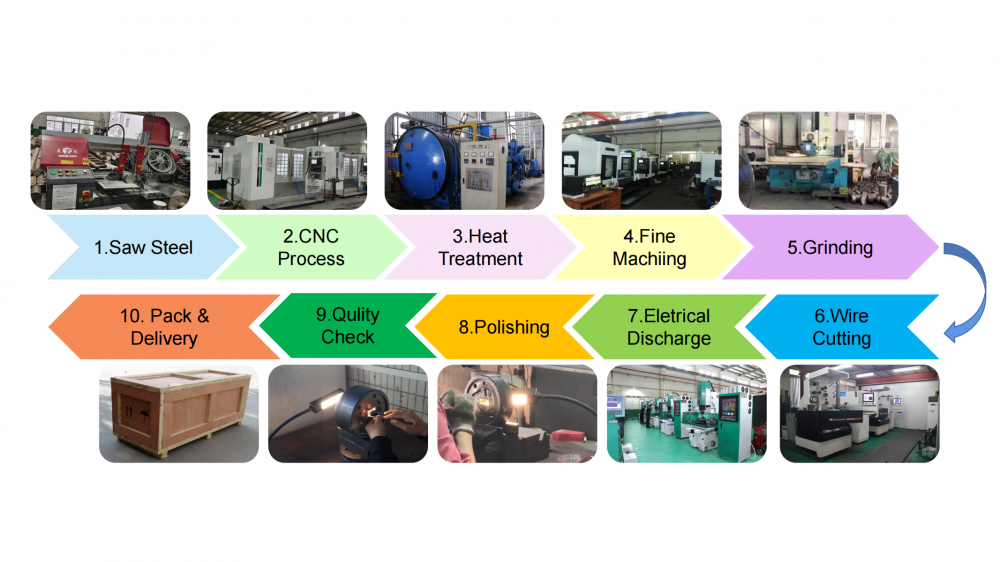
Additionally, bracket aluminium profiles find application in the furniture industry, where they are used for assembling furniture frames, shelves, and other structural elements. The use of extrusion dies ensures the production of profiles with precise angles, smooth surfaces, and tight tolerances, contributing to the overall aesthetics and durability of the furniture pieces.
In conclusion, Bracket Aluminium Profile Extrusion Dies play a crucial role in the manufacturing of bracket aluminium profiles, which have diverse application areas across industries such as construction, automotive, electronics, and furniture. The precision and quality of these dies directly impact the performance, functionality, and aesthetics of the finished products, making them an essential tool for achieving high-quality aluminium profiles for a wide range of applications.
2. Structure and composition
2. Structure and composition
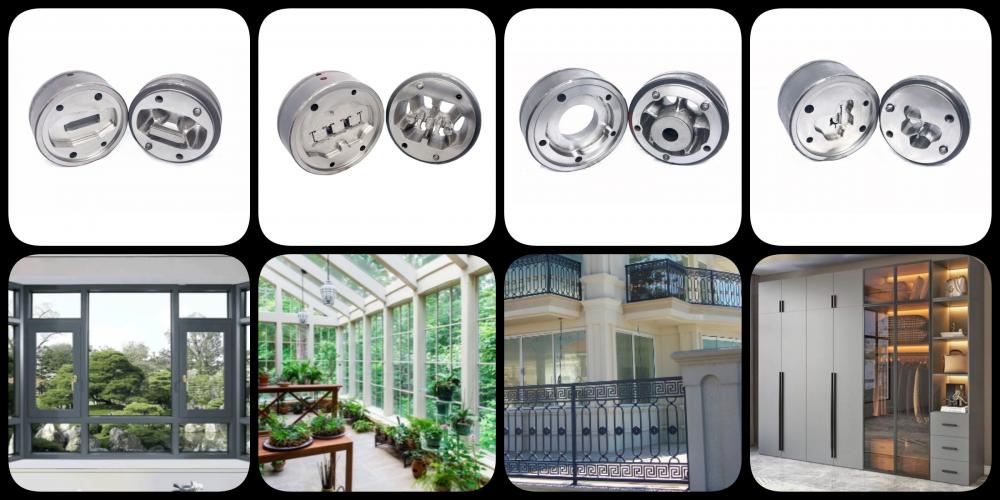
Bracket Aluminium Profile Extrusion Dies are critical tools in the manufacturing process of aluminum profiles. These dies are meticulously designed and fabricated to ensure the precise shaping and production of high-quality aluminum profiles. The structure and composition of these dies play a vital role in their functionality and effectiveness.
The structure of Bracket Aluminium Profile Extrusion Dies is typically composed of several key components. The die body serves as the primary structure, providing support and stability for the entire die assembly. It is usually made from high-strength materials such as hardened steel or carbide to withstand the intense pressures and temperatures encountered during the extrusion process. The die body is engineered with precision to accommodate the die insert and facilitate the extrusion of aluminum profiles with accuracy and consistency.
The die insert is a crucial component of the extrusion die, as it directly shapes the aluminum material into the desired profile. It is custom-designed to incorporate the specific dimensions, features, and details required for the final aluminum profile. The composition of the die insert is carefully selected to withstand the mechanical stresses and thermal conditions encountered during extrusion while maintaining the dimensional integrity and surface finish of the profiles.
Furthermore, the die holder is another integral part of the structure, responsible for securely housing and aligning the die assembly within the extrusion press. The die holder enables precise adjustment and alignment of the die components, ensuring uniform and accurate extrusion of aluminum profiles. It is designed to withstand the considerable forces exerted during the extrusion process and to provide a stable platform for the die assembly.
In addition to its structure, the composition of Bracket Aluminium Profile Extrusion Dies is a critical aspect of their performance and longevity. These dies are often manufactured using advanced materials and manufacturing techniques to ensure durability, thermal stability, and resistance to wear and corrosion. The composition of the die materials is carefully selected to optimize the thermal conductivity, mechanical strength, and surface finish of the extruded aluminum profiles.
In summary, Bracket Aluminium Profile Extrusion Dies are sophisticated tools with a meticulously engineered structure and composition. Their robust structure, combined with carefully selected materials, allows for the precise shaping and production of high-quality aluminum profiles, making them indispensable in the aluminum extrusion industry.
3. Manufacturing process
3. Manufacturing process
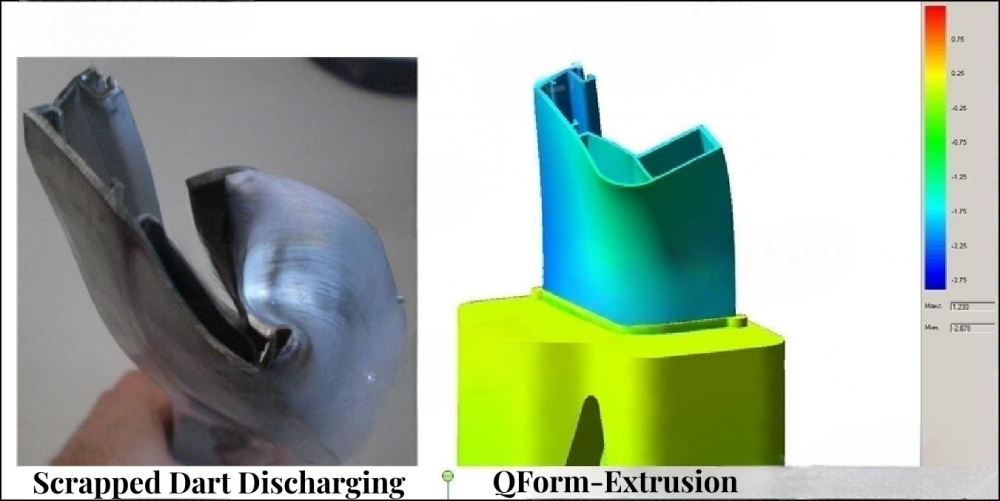
The manufacturing process of Bracket Aluminium Profile Extrusion Dies involves several stages, each contributing to the production of high-quality and precise dies.
The first step in the manufacturing process is die design. This is a crucial stage where engineers analyze and assess the specific requirements of the extrusion profile. The die design includes determining the profile shape, dimensions, and features that the die needs to impart onto the extruded aluminum. Computer-aided design (CAD) software is often used to create a digital representation of the die, allowing for precise customization and optimization.
Once the die design is finalized, the next stage is die fabrication. This involves the actual construction of the die based on the design specifications. The die body, die insert, and die holders are meticulously machined or fabricated using advanced manufacturing techniques such as CNC milling, EDM (Electrical Discharge Machining), or wire cutting. High-quality materials such as hardened steel or carbide are selected for their durability and resistance to wear and corrosion.
After the fabrication process, the die components undergo thorough inspection and quality control to ensure dimensional accuracy and proper functionality. This may include the use of precision measuring instruments such as coordinate measuring machines (CMM) to verify critical dimensions and tolerances.
Once the die components are approved, they are then assembled into the final die assembly. The die insert is carefully placed into the die body, and the die assembly is secured within the die holders. The die holders allow for precise alignment and adjustment, ensuring optimal performance during the extrusion process.
After the die assembly is complete, it undergoes further testing to validate its performance. This may involve trial extrusions using different aluminum alloys and profiles to assess the die's ability to shape the material accurately and consistently. Any necessary adjustments or modifications are made to optimize the die's performance.
Finally, the completed Bracket Aluminium Profile Extrusion Dies are ready for use in the extrusion process. These dies are capable of producing high-quality aluminum profiles with tight tolerances, excellent surface finish, and precise dimensions. They are an essential tool in the aluminum extrusion industry, enabling the production of a wide range of profiles used in various applications such as construction, automotive, and aerospace.
In conclusion, the manufacturing process of Bracket Aluminium Profile Extrusion Dies involves meticulous die design, fabrication, assembly, testing, and optimization. The use of advanced manufacturing techniques and quality control ensures the production of dies that meet the demanding requirements of the aluminum extrusion industry. These dies play a crucial role in shaping aluminum profiles with precision and consistency, enabling the creation of high-quality products for various industries.
4. Use and maintenance, and common troubleshooting methods
4. Use and maintenance, and common troubleshooting methods
The use of Bracket Aluminium Profile Extrusion Dies is essential in the manufacturing process of aluminum profiles. These dies are designed to shape and extrude aluminum material into custom profiles with precision and accuracy. To ensure optimal performance and longevity of the dies, proper use and maintenance practices are crucial.
During the use of Bracket Aluminium Profile Extrusion Dies, it is important to carefully align and secure the die assembly within the extrusion press. Proper setup and adjustment of the die components, such as the die insert and die holders, are necessary to achieve consistent and high-quality extrusions. Operators should follow the recommended operating parameters, including temperature, pressure, and speed, to produce aluminum profiles that meet the desired specifications.
Regular maintenance of Bracket Aluminium Profile Extrusion Dies is necessary to prevent wear and ensure smooth operation. Cleaning the die components after each production run helps to remove any debris or buildup that can affect the quality of extrusions. Inspecting the dies for signs of wear, such as cracks or deformation, is important to identify issues early and prevent further damage. Additionally, lubrication of the die components, such as the die insert and die holders, is essential to minimize friction and prolong the lifespan of the dies. Using the recommended lubricants and applying them correctly will help maintain the dies in good condition.
In the event of common issues or malfunctions with Bracket Aluminium Profile Extrusion Dies, troubleshooting methods can be applied to identify and resolve the problems. One common issue is die sticking, where the extruded material adheres to the die surface, causing uneven extrusions. This can be resolved by adjusting the die temperature, improving material flow, or applying release agents to the die surface. Another common problem is die wear, which can lead to dimensional inaccuracies in the extruded profiles. Regular inspections and measurements of the die components can help detect wear and indicate the need for die refurbishment or replacement.
Overall, the proper use, maintenance, and troubleshooting of Bracket Aluminium Profile Extrusion Dies are essential to ensure efficient production processes and high-quality aluminum profiles. By following recommended practices and addressing issues promptly, manufacturers can maximize the performance and longevity of their dies, leading to consistent and reliable extrusion results.
5. Application areas
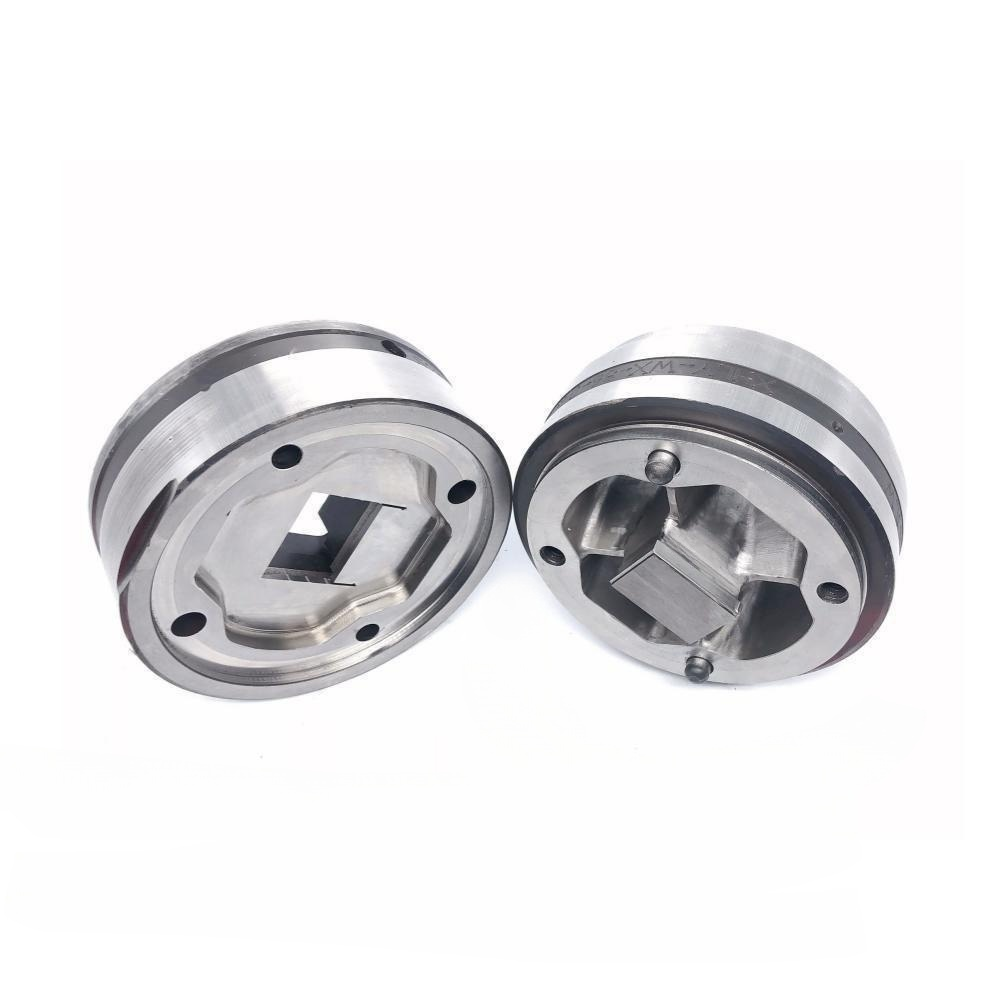
racket Aluminium Profile Extrusion Dies are widely used in various industries due to their versatility and ability to produce customized aluminium profiles. These profiles find applications in numerous sectors, including construction, automotive, aerospace, and electronics.
In the construction industry, Bracket Aluminium Profile Extrusion Dies are used to create profiles for windows, doors, curtain walls, and structural components. The ability to extrude aluminium profiles with precise dimensions and complex shapes makes them suitable for architectural designs that require both aesthetics and functionality. These profiles offer excellent strength-to-weight ratio, corrosion resistance, and thermal insulation properties, making them an ideal choice for modern building projects.
In the automotive industry, Bracket Aluminium Profile Extrusion Dies are utilized to manufacture profiles for car body structures, chassis components, heat sinks, and interior trim. Aluminium profiles offer significant weight reduction compared to steel, contributing to fuel efficiency and reducing emissions. The extrusion process allows for the production of profiles with intricate designs, enabling the creation of lightweight and high-strength automotive parts.
In the aerospace sector, Bracket Aluminium Profile Extrusion Dies are used to fabricate profiles for aircraft structures, such as wing components, fuselages, and landing gears. Aluminium profiles are highly valued in this industry due to their exceptional strength, corrosion resistance, and ability to withstand extreme temperatures. Moreover, the extrusion process allows for the creation of complex profiles that meet the stringent requirements of the aerospace industry.
The electronics industry also benefits from Bracket Aluminium Profile Extrusion Dies, as they are used to manufacture profiles for heat sinks, LED lighting fixtures, and electrical enclosures. Aluminium profiles offer excellent thermal management properties, dissipating heat generated by electronic components efficiently. The extrusion process allows for the creation of profiles with customized features, such as grooves and holes, to accommodate specific electronic applications.
Besides these major industries, Bracket Aluminium Profile Extrusion Dies find applications in various other sectors, including transportation, marine, renewable energy, and consumer goods. They are utilized to create profiles for railings, handrails, solar panel frames, furniture, and many other products.
In conclusion, Bracket Aluminium Profile Extrusion Dies play a vital role in various industries, enabling the production of high-quality and customized aluminium profiles. Their application areas include construction, automotive, aerospace, electronics, and many more. With their versatility, durability, and ability to meet diverse requirements, these dies contribute to the development of innovative and sustainable solutions across multiple sectors.
6. Development trends
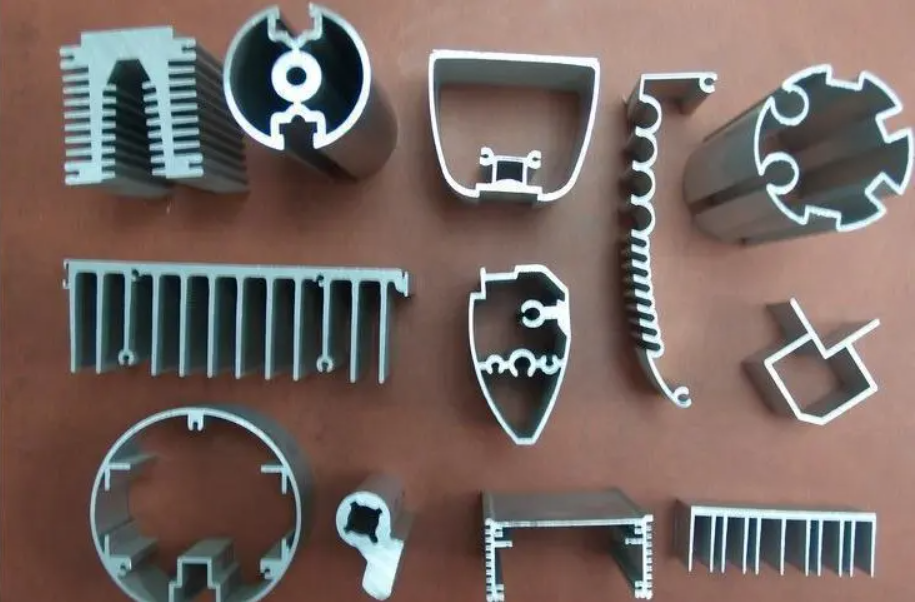
6. Development trends
Bracket Aluminium Profile Extrusion Dies have been witnessing several development trends that aim to enhance efficiency, precision, and sustainability in the extrusion process. One of the prominent trends in the industry is the integration of advanced technologies such as computer-aided design (CAD) and computer numerical control (CNC) machining in the die manufacturing process. These technologies enable the design and production of dies with intricate and precise geometries, leading to the creation of complex and high-quality aluminium profiles.
Another significant development trend in Bracket Aluminium Profile Extrusion Dies is the focus on material innovation. Die manufacturers are exploring new materials and coatings that offer improved wear resistance, thermal conductivity, and durability. By using advanced materials, such as high-performance tool steels and ceramic coatings, die makers can enhance the lifespan of the dies and improve the overall efficiency of the extrusion process.
Automation and digitalization are also shaping the development of Bracket Aluminium Profile Extrusion Dies. The integration of automation systems and sensors in die manufacturing and extrusion processes allows for real-time monitoring, data analysis, and optimization of production parameters. This leads to increased productivity, reduced downtime, and better quality control in the manufacturing of aluminium profiles.
Furthermore, sustainability and environmental considerations are driving development trends in Bracket Aluminium Profile Extrusion Dies. Manufacturers are increasingly focusing on energy-efficient die design and production processes to minimize waste and reduce the environmental impact of extrusion operations. Additionally, the use of recycled materials in die manufacturing is gaining traction, aligning with the growing demand for sustainable practices in the industry.
Industry 4.0 technologies, such as artificial intelligence (AI) and internet of things (IoT), are also influencing the development of Bracket Aluminium Profile Extrusion Dies. AI algorithms can optimize die design and production parameters, while IoT devices enable remote monitoring and predictive maintenance of dies, ensuring optimal performance and minimizing downtime.
In conclusion, Bracket Aluminium Profile Extrusion Dies are experiencing significant advancements driven by technological innovations, material improvements, automation, sustainability goals, and digitalization. These development trends are reshaping the die manufacturing industry, leading to the production of more efficient, high-quality, and environmentally friendly aluminium profiles. By staying abreast of these trends and leveraging the latest technologies, die manufacturers can meet the evolving demands of the extrusion market and drive continuous improvement in the production of aluminium profiles.
Foshan Jieliwei Metal Products Co., Ltd., formerly known as Jieliwei Hardware Processing Factory, was established in October 2006 and upgraded to Foshan Jieliwei Metal Products Co., Ltd. in 2020. The company is located in Sanshui District, Foshan City, Guangdong Province, covering an area of 7000 square meters and employing 200 people.
Our company mainly produces aluminum profile extrusion molds, with a complete mold design, mold programming, and professional product development team. Moreover, the mold production process is mature (including 15 production processes such as cutting, lathe, machining center, wire cutting, electric spark, heat treatment, slow wire cutting, etc.), and we have a complete team of after-sales services.Product Categories:Architectural Aluminum Profile extrusion Dies,Thermal Break Windows Extrusion Dies,Casement Window Profile Extrusion Dies,Curtain Wall Profile Extrusion Dies,Lighting Aluminium Profile Extrusion Dies,Staircase Handrail Profile Extrusion Dies,Photovoltaic Aluminium Profile Extrusion Dies.
Our company has obtained many patents for mold design and processing technology, and has been awarded the title of Foshan High tech Enterprise. The monthly production capacity ranges from 5000 to 6000 sets, with main products including industrial products, radiators, solar houses, building materials, automobiles, solar energy frames, bathroom aluminum molds, etc.