

Corner aluminium profile extrusion dies play a crucial role in the manufacturing process of aluminium profiles used in a wide array of industries such as construction, automotive, aerospace, and electronics. These dies are specifically designed to shape and form aluminium into profiles with corner angles, which are essential components used in various applications.
The importance of corner aluminium profile extrusion dies lies in their ability to produce precise and customized aluminium profiles with specific corner angles and dimensions. These profiles are used in architectural structures, window and door frames, furniture, and other industrial applications where the need for strong, durable, and aesthetically pleasing corners is paramount. The ability to create complex and accurate corner profiles is crucial in meeting the diverse requirements of different industries and applications.
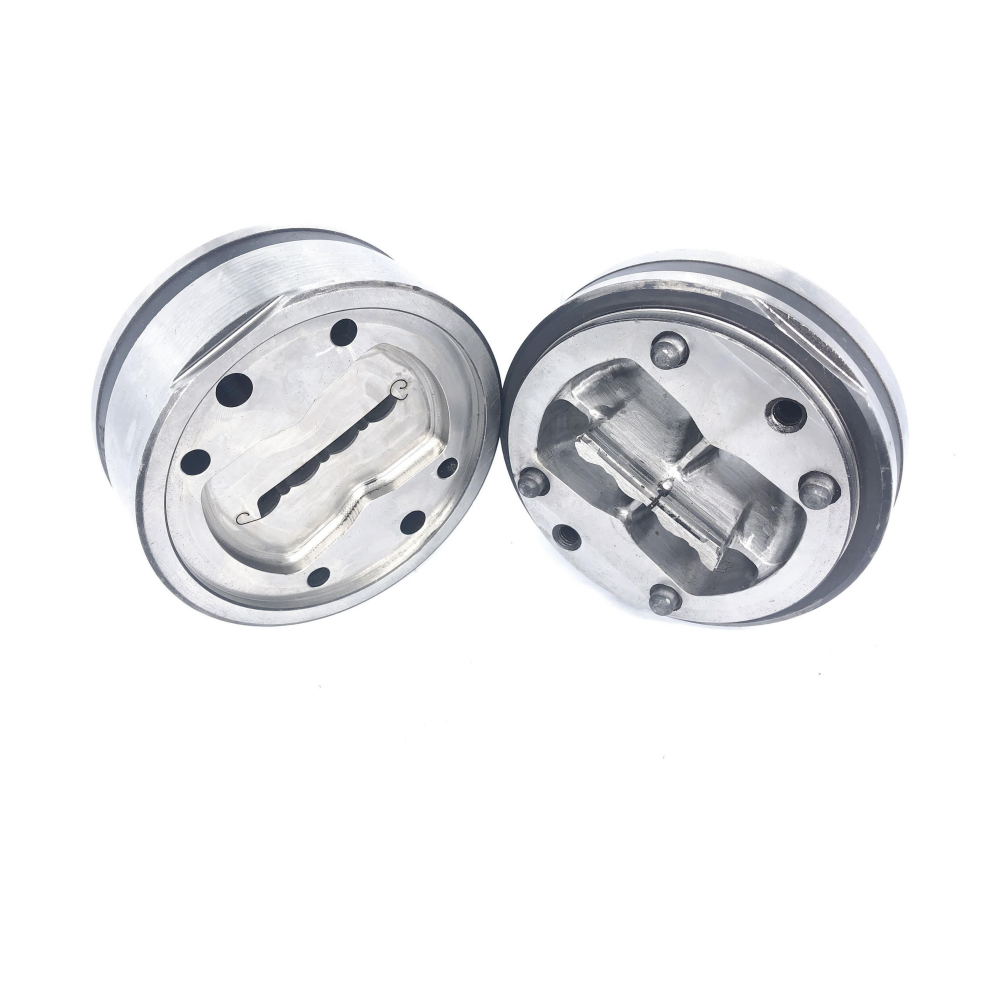
One of the key roles of corner aluminium profile extrusion dies is to ensure the dimensional accuracy and surface finish of the extruded profiles. The dies allow for the creation of profiles with consistent and precise corner angles, ensuring that the final products meet the required specifications and standards. This dimensional accuracy is essential for the seamless integration of aluminium profiles in various assembly processes, contributing to the overall quality and performance of the end products.
Moreover, corner aluminium profile extrusion dies are instrumental in enabling the mass production of aluminium profiles with corner angles, thereby supporting the efficiency and scale of manufacturing operations. The dies are designed to withstand the high pressures and temperatures involved in the extrusion process, ensuring continuous and reliable production of corner profiles with minimal downtime.
The versatility of corner aluminium profile extrusion dies also contributes to their significance. Manufacturers can produce a diverse range of corner profiles with varying dimensions, thicknesses, and alloy compositions to meet the specific needs of different applications. This flexibility allows for the production of customized profiles tailored to the requirements of architects, designers, and engineers across various industries.
Furthermore, the ongoing advancements in die design and manufacturing technologies have led to the development of innovative features in corner aluminium profile extrusion dies. These include improved cooling systems, advanced die materials, and optimized flow paths, all of which enhance the performance, durability, and longevity of the dies, ultimately contributing to the overall quality and consistency of the extruded profiles.
In conclusion, corner aluminium profile extrusion dies play a vital role in the manufacturing process of aluminium profiles with corner angles. Their importance lies in their ability to produce precise, customized, and high-quality profiles that meet the stringent requirements of diverse industries. The ongoing advancements in die design and manufacturing techniques continue to enhance the capabilities and performance of corner aluminium profile extrusion dies, ensuring their continued significance in the aluminium extrusion industry.
2. Structure and composition
2. Structure and composition
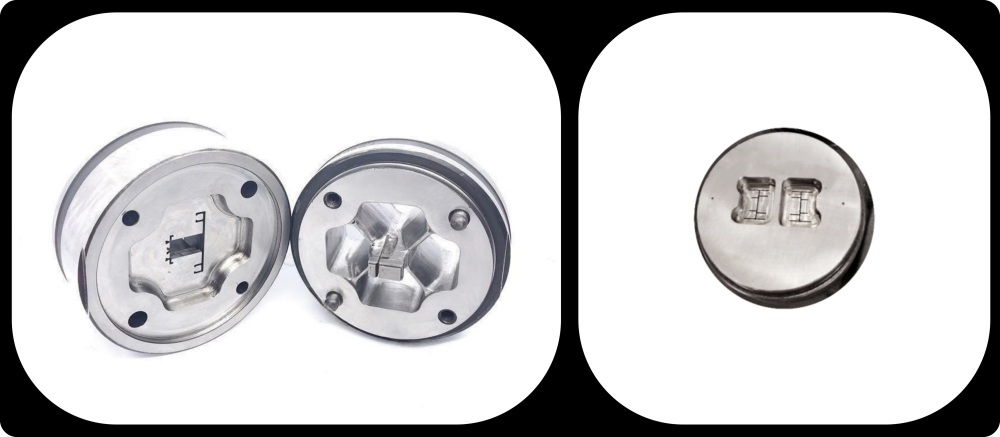
Corner Aluminium Profile Extrusion Dies are complex tools used in the extrusion process to shape and form aluminium profiles with specific corner angles. These dies are typically made up of several components that work together to achieve precise and accurate corner profiles.
The structure of a Corner Aluminium Profile Extrusion Die generally consists of the following key components:
Die Block: The die block is the main body of the die and is typically made of high-quality tool steel or a special alloy. It provides the structural support and rigidity necessary for the extrusion process. The die block is carefully machined to create the desired shape and dimensions of the corner profile.
Die Cavity: The die cavity is the space within the die block where the aluminium flows and takes the shape of the desired corner profile. It is precisely machined to create the specific corner angles and dimensions required by the application. The surface of the die cavity may undergo special treatments or coatings to enhance the flow of the aluminium and improve the surface finish of the extruded profile.
Inserts: Inserts are additional components that are inserted into the die block to create more complex corner profiles. These inserts are usually made of hardened steel or other wear-resistant materials. They can be easily replaced or modified to accommodate different corner angles or profiles, allowing for greater flexibility in the extrusion process.
Cooling System: Corner Aluminium Profile Extrusion Dies incorporate an efficient cooling system to control the temperature of the die during the extrusion process. This helps to maintain the dimensional accuracy and surface finish of the extruded profiles. The cooling system typically includes water channels or passages within the die block that allow for the circulation of cooling fluids.
Support Structures: To ensure stability and proper alignment, Corner Aluminium Profile Extrusion Dies are often equipped with support structures. These structures include die holders, bolsters, and clamping systems that securely hold the die in place during the extrusion process.
In terms of composition, Corner Aluminium Profile Extrusion Dies are primarily made of high-quality tool steels or special alloys that possess high strength, wear resistance, and heat resistance properties. These materials are selected to withstand the high pressures and temperatures involved in the extrusion process, ensuring the longevity and durability of the die.
In conclusion, Corner Aluminium Profile Extrusion Dies are complex tools with a specific structure and composition. The combination of the die block, die cavity, inserts, cooling system, and support structures allows for the precise shaping and forming of aluminium profiles with corner angles. The careful selection of materials ensures the die's ability to withstand the extrusion process and produce high-quality corner profiles.
3. Manufacturing process
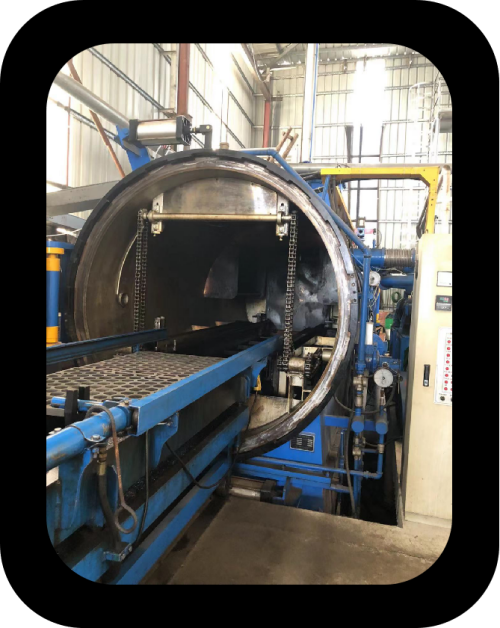
Corner Aluminium Profile Extrusion Dies are an essential component in the manufacturing process of aluminium profiles. These dies play a critical role in shaping the aluminium profiles into various shapes and sizes, specifically designed for the corners. This manufacturing process involves several steps, including die design, die manufacturing, and die maintenance, to ensure the production of high-quality corner aluminium profiles.
The first step in the manufacturing process is die design. This involves the expertise and experience of skilled engineers who carefully design the die according to the specific requirements of the corner aluminium profile. The design includes factors such as the desired shape, size, and dimensions of the profile, as well as any special features or details required for the corners. The die design is crucial as it determines the final outcome of the extruded profile.
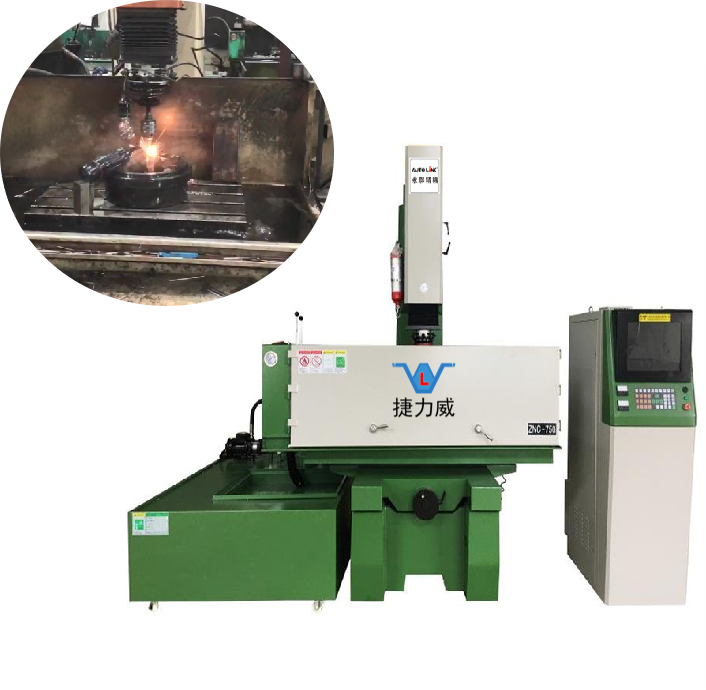
Once the die design is finalized, the next step is die manufacturing. This process involves the use of high-quality materials, such as tool steel or carbide, to construct the die. The die is typically made in multiple pieces, allowing for easy assembly and disassembly. The manufacturing process also includes precision machining to ensure accurate dimensions and smooth surfaces. The use of advanced CNC machines and cutting-edge technologies ensures the highest level of precision and quality in the manufacturing process.
After the die is manufactured, it undergoes a series of tests and inspections to ensure its functionality and performance. This includes checking for any defects or imperfections in the die, as well as verifying its compatibility with the extrusion equipment. Any necessary adjustments or modifications are made to the die to ensure optimal performance during the extrusion process.
Once the die is ready, it is installed onto the extrusion equipment. The aluminium billet, a preheated and softened aluminium alloy, is then fed into the extrusion press. The press applies considerable pressure to the billet, forcing it through the die. As the billet passes through the die, it takes on the shape and dimensions of the die, forming the desired corner aluminium profile.
After extrusion, the profiles are cooled, stretched, and straightened to achieve the desired mechanical properties and dimensions. The profiles then undergo further processing, such as cutting, milling, or surface treatment, to meet the specific requirements of the customers.
Proper maintenance and care of the dies are essential to ensure their longevity and consistent performance. Regular cleaning, lubrication, and inspection of the dies are necessary to prevent any build-up of debris or damage that may affect the quality of the extruded profiles. Any worn-out or damaged parts of the dies are promptly replaced or repaired to maintain their functionality.
In conclusion, the manufacturing process of Corner Aluminium Profile Extrusion Dies involves die design, manufacturing, and maintenance. Skilled engineers design the dies to meet the specific requirements of the corner aluminium profiles. The dies are then manufactured using high-quality materials and advanced technologies to ensure precision and quality. Proper maintenance and care are crucial to maximize the lifespan and performance of the dies. Overall, this process ensures the production of high-quality corner aluminium profiles for various applications in industries such as construction, automotive, and aerospace.
4. Use and maintenance, and common troubleshooting methods

4. Use and maintenance, and common troubleshooting methods
Corner Aluminium Profile Extrusion Dies are fundamental tools used in the manufacturing process of aluminium profiles with specific corner features. These dies are designed to shape the aluminium profiles into desired shapes, sizes, and dimensions with precision. The use of Corner Aluminium Profile Extrusion Dies is crucial in industries such as construction, automotive, and aerospace, where corner profiles are widely utilized for various applications.
In terms of usage, Corner Aluminium Profile Extrusion Dies are installed onto the extrusion equipment, where preheated and softened aluminium billets are fed into the extrusion press. The press applies pressure to the billet, forcing it through the die. As the billet passes through the die, it takes on the shape and dimensions of the die, resulting in the formation of corner aluminium profiles. The profiles are then cooled, stretched, and straightened to achieve the desired mechanical properties and dimensions.
Proper maintenance of Corner Aluminium Profile Extrusion Dies is essential to ensure their longevity and consistent performance. Regular cleaning of the dies to prevent the build-up of debris, lubrication to ensure smooth operation, and inspection to detect any signs of wear or damage are key maintenance practices. Any worn-out or damaged parts of the dies should be promptly replaced or repaired to maintain their functionality.
Common troubleshooting methods for Corner Aluminium Profile Extrusion Dies include identifying and addressing issues such as die wear, die deflection, and die misalignment. Die wear can lead to the deterioration of the die surface, affecting the quality of the extruded profiles. Die deflection occurs when the die is not properly supported, causing distortion in the profiles. Die misalignment can result in uneven profiles or dimensional inaccuracies. To address these issues, adjustments may need to be made to the die, such as polishing the die surface, reinforcing the die support, or realigning the die components.
Overall, Corner Aluminium Profile Extrusion Dies are essential components in the manufacturing process of aluminium profiles with corner features. Proper usage, maintenance, and troubleshooting methods are crucial to ensure the efficient and effective production of high-quality corner aluminium profiles for various industrial applications.
5. Application areas
5. Application areas
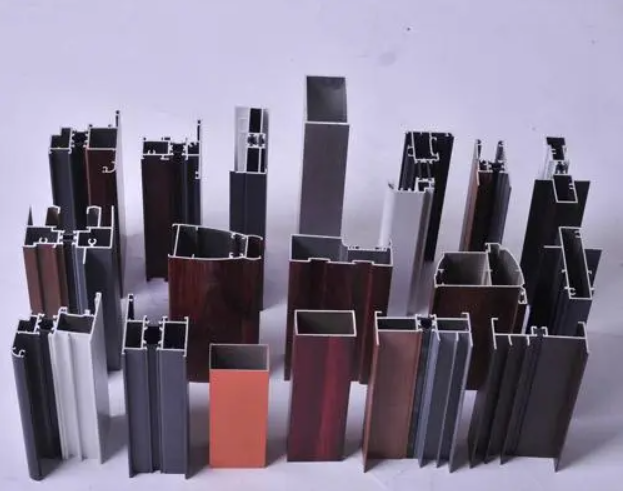
Corner Aluminium Profile Extrusion Dies are an essential component in the aluminum extrusion industry. They are used to shape and form aluminum profiles with precise angles and dimensions. This technology has widespread applications in various industries, including construction, automotive, aerospace, and furniture manufacturing.
In the construction industry, corner aluminum profiles are extensively used for window frames, door frames, curtain walls, and structural support systems. The extrusion dies ensure the consistent production of these profiles with high accuracy, enabling seamless integration and installation in buildings. Additionally, the durability and corrosion resistance of aluminum make it a preferred material for construction applications.
In the automotive sector, corner aluminum profiles are used for various components such as body frames, chassis, and decorative trims. The extrusion dies play a crucial role in manufacturing these profiles, ensuring the required strength and dimensional precision. Aluminum profiles offer lightweight solutions, contributing to fuel efficiency and reducing overall vehicle weight.
The aerospace industry also relies on corner aluminum profiles for aircraft manufacturing. These profiles are used in the construction of wing structures, fuselages, and interior components. The extrusion dies enable the production of complex profiles with intricate angles and geometries, meeting the stringent requirements of the aerospace industry in terms of strength, weight, and safety.
Furniture manufacturing is another significant application area for corner aluminum profiles. The use of aluminum profiles in furniture provides modern and sleek designs while offering durability and stability. The extrusion dies ensure the production of customized profiles for various furniture applications, such as table frames, chair frames, and shelving systems.
Apart from these major industries, corner aluminum profiles find applications in other sectors as well. These include electrical enclosures, lighting fixtures, transportation systems, and renewable energy structures. The versatility of aluminum profiles, coupled with the precision offered by extrusion dies, allows for the development of innovative solutions in a wide range of applications.
In conclusion, corner aluminum profile extrusion dies play a crucial role in shaping and forming aluminum profiles for various industries. The technology finds applications in construction, automotive, aerospace, furniture manufacturing, and numerous other sectors. The consistent and precise production of corner aluminum profiles using extrusion dies ensures high-quality and durable products in a cost-effective manner.
6. Development trends
6. Development trends
Corner Aluminium Profile Extrusion Dies have witnessed significant development trends in recent years. With advancements in technology and increasing demands from various industries, these dies have undergone several improvements to cater to the evolving needs of the market.
One of the major development trends in Corner Aluminium Profile Extrusion Dies is the integration of computer-aided design (CAD) and computer-aided manufacturing (CAM) systems. This integration allows for more precise and efficient die design and manufacturing processes. CAD software enables die designers to create complex and intricate die designs with high accuracy, while CAM systems ensure the seamless translation of these designs into the manufacturing process. This trend has greatly improved the overall quality and productivity of Corner Aluminium Profile Extrusion Dies.
Another key development trend is the use of advanced materials for die manufacturing. Traditional dies were primarily made from steel, but the industry has witnessed a shift towards using high-performance materials such as carbide, tool steel alloys, and ceramic composites. These materials offer enhanced durability, wear resistance, and thermal stability, ensuring longer die life and improved performance. The use of advanced materials in Corner Aluminium Profile Extrusion Dies has resulted in reduced downtime and increased productivity.
Furthermore, the development of new die designs and configurations has been a prominent trend in recent years. As industries demand more complex and customized aluminium profiles, die manufacturers have responded by developing innovative die designs. This includes the incorporation of multiple cavities, interchangeable inserts, and adjustable features in the dies. These advancements allow for greater versatility, enabling the production of a wide range of aluminium profiles with varying dimensions and angles. The ability to quickly change and adjust the die configuration has also improved production efficiency and reduced lead times.
Automation and digitalization have also had a significant impact on the development of Corner Aluminium Profile Extrusion Dies. The integration of robotics and artificial intelligence (AI) in the die manufacturing process has improved precision, speed, and repeatability. Robotic systems can perform complex tasks such as die polishing and inspection, resulting in higher quality dies and reduced human error. AI algorithms can analyze data from the manufacturing process, enabling predictive maintenance and optimizing die performance. These advancements have led to increased production efficiency and reduced costs.
Additionally, sustainability has emerged as a crucial development trend in the industry. Die manufacturers are focusing on developing environmentally friendly processes and materials. This includes the use of eco-friendly lubricants, reducing energy consumption, and implementing recycling programs for die waste. The adoption of sustainable practices not only benefits the environment but also helps companies meet regulatory requirements and appeal to environmentally conscious customers.
In conclusion, Corner Aluminium Profile Extrusion Dies have undergone significant development trends in recent years. The integration of CAD/CAM systems, the use of advanced materials, the development of new die designs, automation and digitalization, and the focus on sustainability have all contributed to the continuous improvement of these dies. These trends have not only enhanced the performance and quality of Corner Aluminium Profile Extrusion Dies but have also allowed for the production of complex and customized aluminium profiles to meet the evolving needs of various industries.
Foshan Jieliwei Metal Products Co., Ltd., formerly known as Jieliwei Hardware Processing Factory, was established in October 2006 and upgraded to Foshan Jieliwei Metal Products Co., Ltd. in 2020. The company is located in Sanshui District, Foshan City, Guangdong Province, covering an area of 7000 square meters and employing 200 people.
Our company mainly produces aluminum profile extrusion molds, with a complete mold design, mold programming, and professional product development team. Moreover, the mold production process is mature (including 15 production processes such as cutting, lathe, machining center, wire cutting, electric spark, heat treatment, slow wire cutting, etc.), and we have a complete team of after-sales services.Product Categories:Architectural Aluminum Profile extrusion Dies,Thermal Break Windows Extrusion Dies,Casement Window Profile Extrusion Dies,Curtain Wall Profile Extrusion Dies,Lighting Aluminium Profile Extrusion Dies,Staircase Handrail Profile Extrusion Dies,Photovoltaic Aluminium Profile Extrusion Dies.
Our company has obtained many patents for mold design and processing technology, and has been awarded the title of Foshan High tech Enterprise. The monthly production capacity ranges from 5000 to 6000 sets, with main products including industrial products, radiators, solar houses, building materials, automobiles, solar energy frames, bathroom aluminum molds, etc.