
Automobile and other industrial aluminium profile extrusion dies play a crucial role in the manufacturing process of various automotive and industrial components. These dies are specifically designed to shape and form aluminium profiles for applications such as automotive body panels, structural components, heat sinks, and industrial machinery parts.
The role of automobile and industrial aluminium profile extrusion dies is to transform raw aluminium billets into the desired shape and size. The dies consist of a main body with a cavity that determines the final shape of the extruded profile. They also incorporate various components such as mandrels, pins, and inserts to achieve precise dimensions and features. These dies are typically made from high-quality steel alloys that can withstand the high temperatures and pressures involved in the extrusion process.
The importance of these dies lies in their ability to produce high-quality aluminium profiles that meet the strict requirements of the automotive and industrial sectors. The extruded profiles need to have precise dimensions, excellent surface finish, and mechanical properties that ensure durability and performance in various applications. The dies play a critical role in achieving these requirements by providing the necessary shaping and forming capabilities.
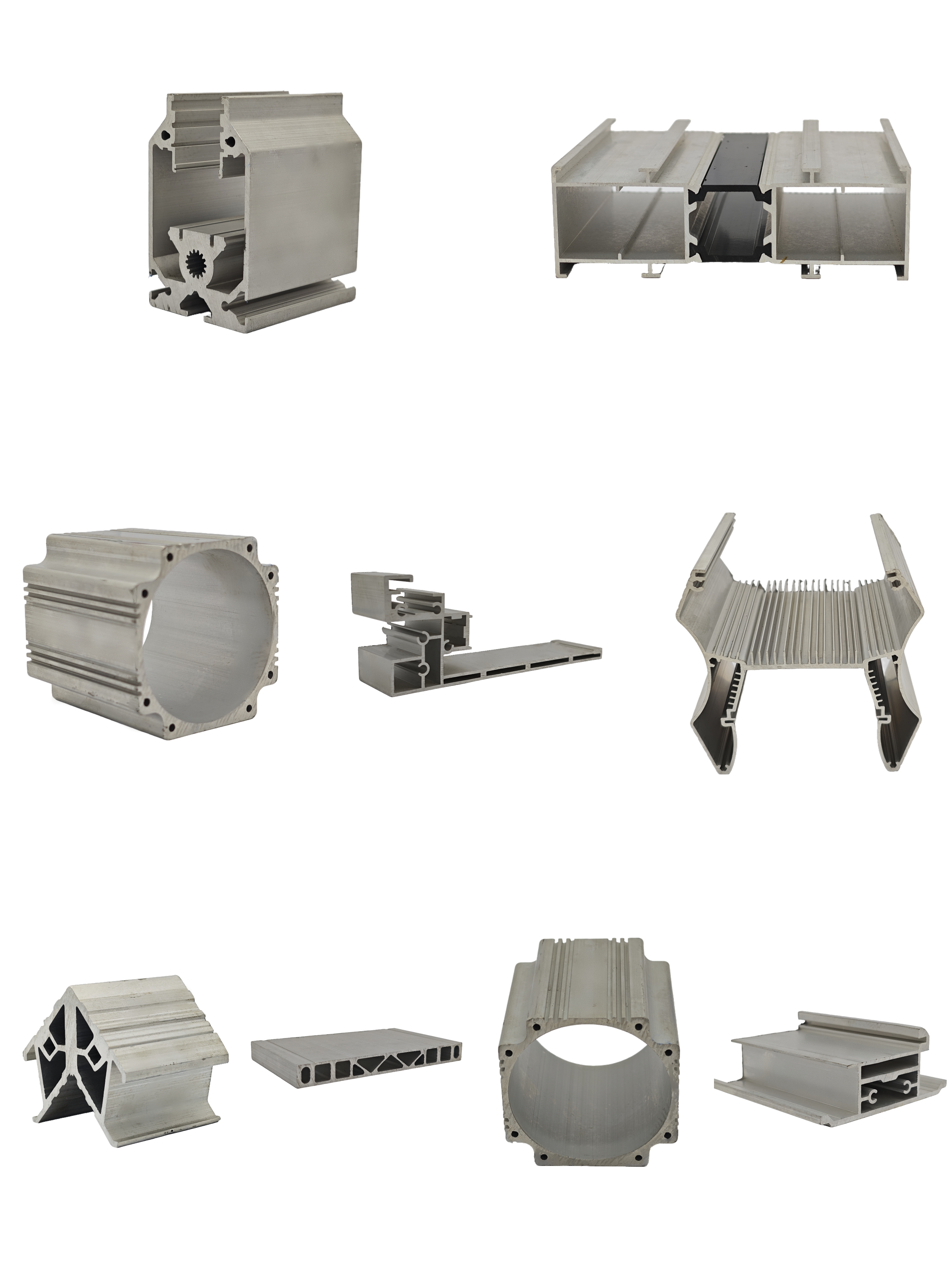
In the automotive industry, aluminium extrusion dies are used to produce components such as body panels, frame rails, and structural reinforcements. The lightweight and high-strength properties of aluminium make it an ideal material for improving fuel efficiency and reducing emissions in vehicles. The extrusion dies enable manufacturers to create complex profiles with intricate designs, allowing for greater design flexibility and innovation in automotive design.
In the industrial sector, aluminium extrusion dies are used to produce components such as heat sinks, electrical enclosures, and structural supports. These components are essential for various industrial applications, including machinery, electronics, and construction. The extrusion dies ensure that the aluminium profiles have the necessary thermal conductivity, mechanical strength, and dimensional accuracy to perform effectively in these demanding applications.
The development of automobile and industrial aluminium profile extrusion dies has seen significant advancements in recent years. With the integration of computer-aided design (CAD) and computer-aided manufacturing (CAM) software, manufacturers can now create intricate profile designs digitally and simulate the extrusion process before producing the actual dies. This helps in reducing errors, improving efficiency, and shortening the product development cycle.
Furthermore, the use of advanced cooling systems in aluminium extrusion dies has improved the dimensional accuracy and surface finish of the extruded profiles. Cooling technologies such as water-cooled dies or air cooling systems ensure uniform cooling and minimize distortion during the extrusion process. This results in high-quality profiles with tight tolerances and excellent surface finishes.
In conclusion, automobile and other industrial aluminium profile extrusion dies play a significant role in the manufacturing process of automotive and industrial components. These dies enable the production of high-quality aluminium profiles with precise dimensions and excellent mechanical properties. With the advancements in CAD/CAM software and cooling technologies, manufacturers can achieve greater design flexibility and efficiency in the extrusion process. As the automotive and industrial sectors continue to evolve, we can expect further advancements and innovations in the field of aluminium profile extrusion dies.
2. Structure and composition
2. Structure and composition
Automobile and other industrial aluminium profile extrusion dies are critical components in the manufacturing of aluminum profiles used in various applications, including automotive, industrial, architectural, and consumer products. These dies are essential for shaping and forming aluminum into complex and precise profiles that meet the stringent requirements of modern engineering and design.
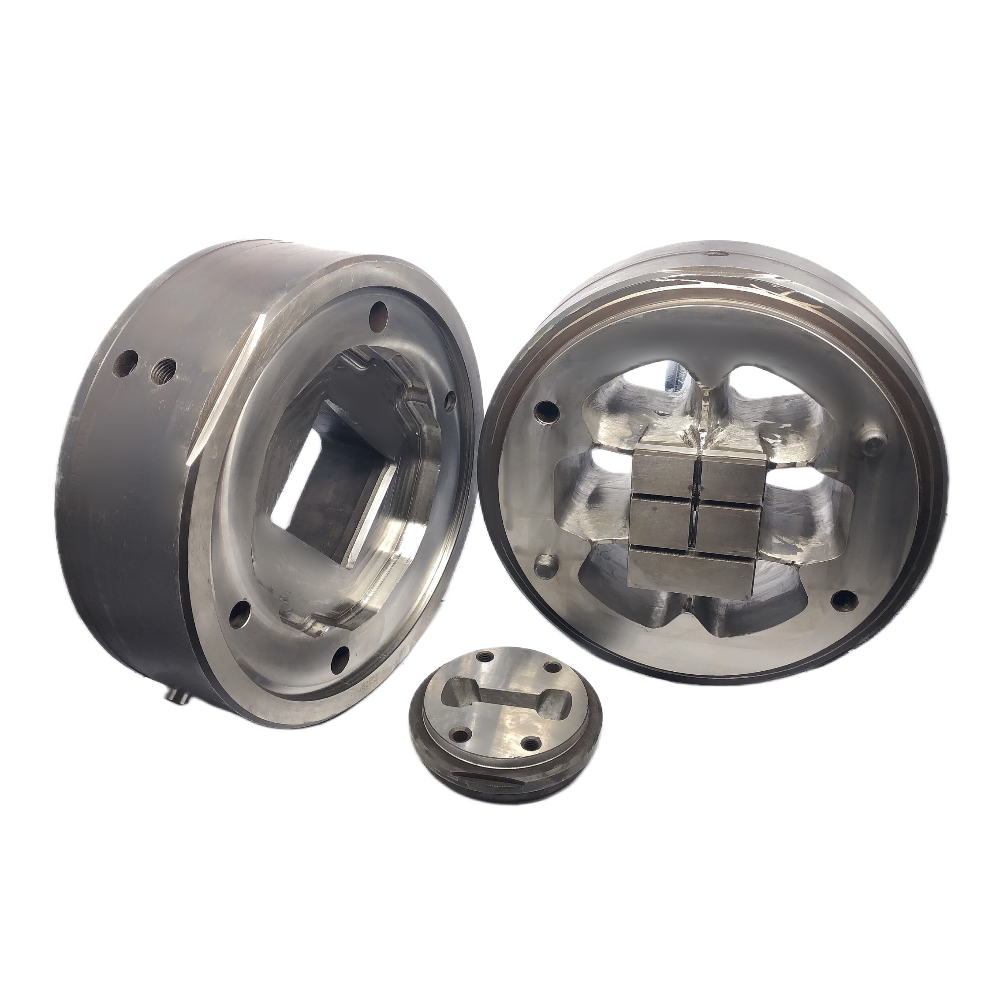
The structure and composition of these extrusion dies are carefully designed to withstand high pressures, temperatures, and mechanical stresses during the extrusion process. Typically, these dies are made from high-quality tool steels or, in some cases, carbide materials to ensure durability and longevity. The dies are often precision-machined to achieve the intricate profiles and tolerances demanded by the industry.
The composition of the extrusion dies is crucial to their performance and longevity. The dies are often heat-treated to enhance their hardness, wear resistance, and toughness, ensuring that they can withstand the abrasive and high-temperature conditions of the extrusion process. Additionally, surface treatments such as nitriding or coating with hard materials like titanium nitride may be employed to further enhance the die's resistance to wear, corrosion, and thermal fatigue.
The structure of the extrusion dies is designed to facilitate the smooth flow and shaping of the aluminum billet into the desired profile. The dies consist of multiple components, including the die holder, die inserts, and supporting elements, all of which are carefully engineered to ensure proper alignment, heat dissipation, and control over the extrusion process. The design of the die cavity and the cooling system is critical to achieving uniform metal flow and efficient heat transfer, ultimately impacting the quality and dimensional accuracy of the extruded profiles.
In the automotive industry, aluminium profile extrusion dies play a vital role in the production of lightweight components used in vehicle construction. These components contribute to improved fuel efficiency, performance, and overall sustainability of modern automobiles. In industrial applications, aluminium profiles are widely used in the manufacturing of machinery, equipment, and structural components due to their excellent strength-to-weight ratio and corrosion resistance.
The design and manufacture of automobile and industrial aluminium profile extrusion dies involve advanced engineering, precision machining, and strict quality control measures to ensure the production of high-quality extruded profiles. As the demand for lightweight, durable, and complex aluminium profiles continues to grow across various industries, the development of advanced die materials, coatings, and manufacturing processes will be crucial to meeting the evolving needs of the market.
In conclusion, automobile and other industrial aluminium profile extrusion dies are essential tools for shaping aluminium into custom, high-performance profiles used in a wide range of applications. Their structure and composition are carefully engineered to withstand the rigorous conditions of the extrusion process, ultimately contributing to the efficient production of high-quality aluminium profiles that drive innovation and progress in modern engineering and manufacturing.
3. Manufacturing process
3. Manufacturing process
Automobile and other Industrial Aluminium Profile Extrusion Dies are crucial components in the manufacturing process of aluminum profiles used in various industries such as automotive, aerospace, construction, and consumer products. These dies play a significant role in shaping and forming aluminum into complex and precise profiles that meet the strict requirements of modern engineering and design.
The manufacturing process of Automobile and other Industrial Aluminium Profile Extrusion Dies involves several steps to ensure the highest quality and performance. Firstly, the design of the die is carefully crafted to achieve the desired profile shape and dimensions. This is done using computer-aided design (CAD) software, which allows for precise modeling and simulation of the extrusion process.
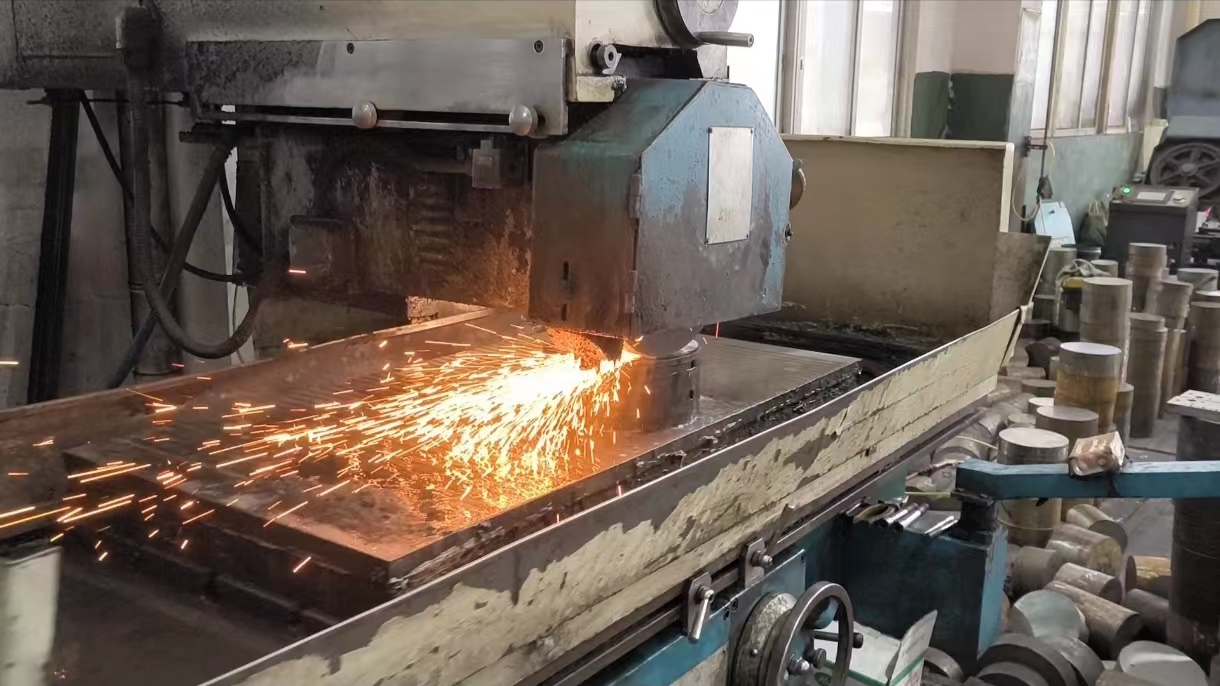
Once the design is finalized, the die is constructed using high-quality materials such as tool steel or carbide. These materials are chosen for their durability, heat resistance, and ability to withstand the high pressures and temperatures involved in the extrusion process. The dies are precision-machined using advanced CNC (Computer Numerical Control) machinery to ensure accurate and consistent dimensions.
After the machining process, the dies undergo heat treatment to enhance their hardness and strength. Heat treatment processes such as quenching and tempering are commonly used to achieve the desired mechanical properties. This ensures that the dies can withstand the high forces and stresses encountered during the extrusion process.
In addition to heat treatment, surface treatments may also be applied to the dies. Surface treatments such as nitriding or coating with hard materials like titanium nitride can improve the die's resistance to wear, corrosion, and thermal fatigue.
Once the dies are constructed and treated, they are carefully assembled into the extrusion press. The extrusion process involves feeding a heated aluminum billet into the die cavity and applying pressure to force the metal through the shaped opening. The die plays a critical role in controlling the flow of the metal to achieve the desired profile shape.
During the extrusion process, the dies are subjected to extreme conditions of pressure, temperature, and mechanical stresses. Therefore, regular maintenance and inspection of the dies are essential to ensure their longevity and optimal performance. Any signs of wear, damage, or deformation must be addressed promptly to avoid compromising the quality of the extruded profiles.
In conclusion, the manufacturing process of Automobile and other Industrial Aluminium Profile Extrusion Dies is a precise and complex procedure that involves careful design, material selection, machining, heat treatment, and surface treatments. These dies are essential for shaping aluminum into customized profiles used in various industries. By ensuring the highest quality and durability of the dies, manufacturers can produce aluminum profiles that meet the stringent requirements of modern engineering and design.
4. Use and maintenance, and common troubleshooting methods
4. Use and maintenance, and common troubleshooting methods
Automobile and other Industrial Aluminium Profile Extrusion Dies are essential components in the manufacturing of aluminum profiles used in a wide range of applications. These dies are used to shape and form aluminum into specific profiles that are utilized in various industries, including automotive, construction, aerospace, and electronics. The quality and precision of these extrusion dies are crucial in ensuring the final products meet the required specifications and standards.
The use and maintenance of Automobile and other Industrial Aluminium Profile Extrusion Dies are imperative to achieve consistent and high-quality production output. Proper use of the dies involves ensuring that the extrusion process is carried out with the appropriate parameters, such as temperature, pressure, and speed, to achieve the desired profile shape and dimensions. Additionally, regular maintenance of the dies is essential to prolong their lifespan and optimize their performance. This includes cleaning, inspection for wear or damage, lubrication, and occasional die profile adjustments to accommodate any changes in product specifications.
Common troubleshooting methods for Automobile and other Industrial Aluminium Profile Extrusion Dies may include addressing issues such as die wear, surface defects on the extruded profiles, dimensional inaccuracies, and die blockages. Die wear can be mitigated through proper maintenance and periodic replacement of worn components. Surface defects can be minimized by optimizing the extrusion process parameters and ensuring that the dies are free from defects or damage. Dimensional inaccuracies may require adjustments to the die profile or recalibration of the extrusion equipment. Die blockages can be resolved by identifying and removing any obstructions within the die or the extrusion system.
In summary, Automobile and other Industrial Aluminium Profile Extrusion Dies are critical components in the manufacturing of aluminum profiles for various industrial applications. Proper use and maintenance of these dies are essential to ensure consistent production quality and efficiency. Additionally, having a thorough understanding of common troubleshooting methods is crucial in addressing any issues that may arise during the extrusion process. With the right care and attention, Automobile and other Industrial Aluminium Profile Extrusion Dies can contribute to the production of high-quality aluminum profiles that meet the stringent requirements of modern industries.
5. Application areas
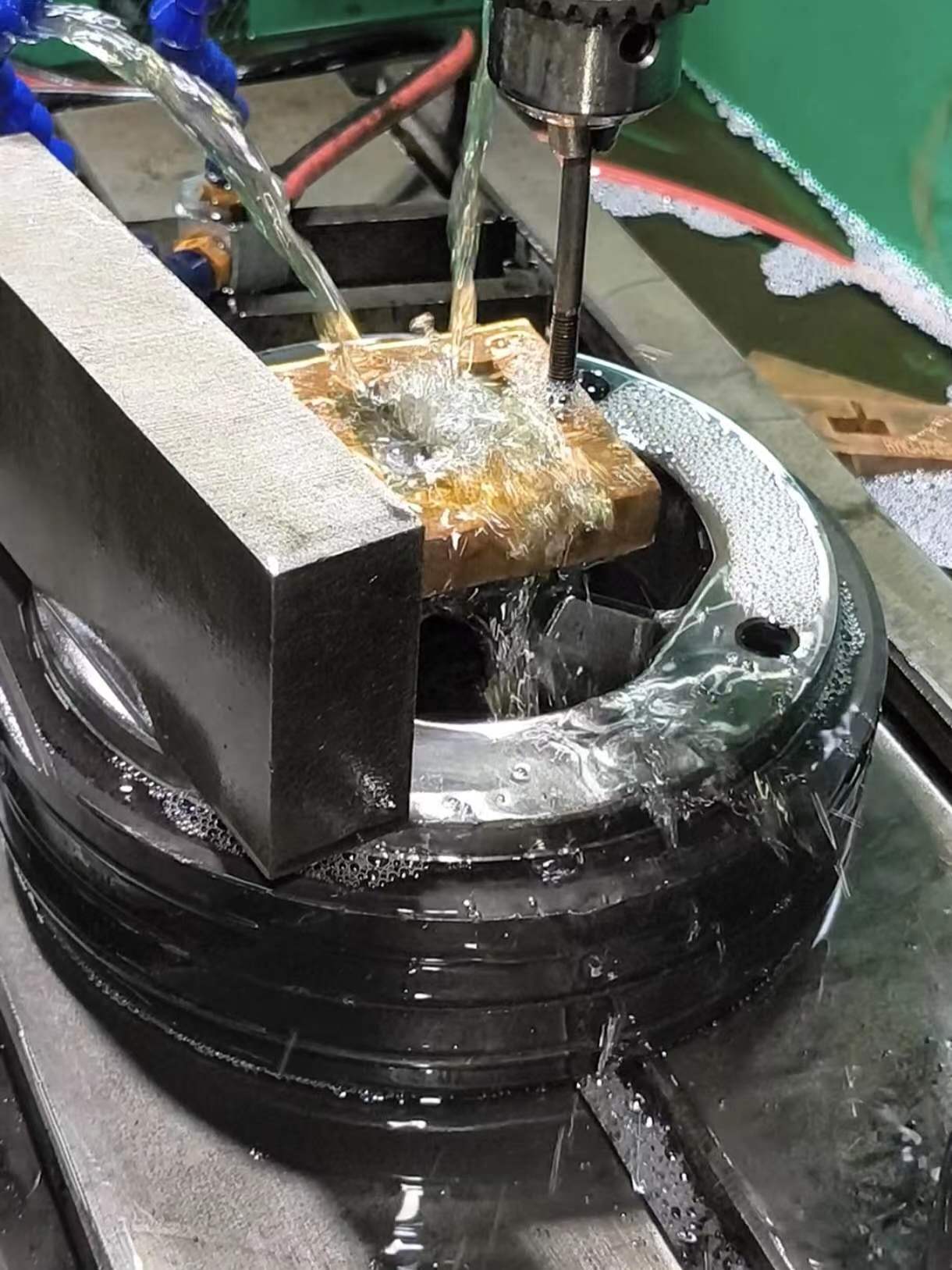
5. Application areas
Automobile and other Industrial Aluminium Profile Extrusion Dies play a crucial role in the manufacturing of aluminum profiles used in a diverse range of applications. These dies are employed to shape and form aluminum into specific profiles that find utility across various industries, including automotive, construction, aerospace, electronics, and more.
In the automotive sector, aluminum profiles produced using extrusion dies are extensively utilized in vehicle components such as window frames, door trims, structural supports, and heat exchangers. The lightweight and corrosion-resistant nature of aluminum makes it an ideal material for enhancing fuel efficiency and reducing overall vehicle weight, thereby contributing to the automotive industry's efforts to improve sustainability and performance.
The construction industry benefits from the use of aluminum profiles in applications such as curtain walls, window frames, structural framing, and interior finishing. These profiles offer a combination of strength, durability, and aesthetic appeal, making them a preferred choice for modern architectural designs and sustainable building practices.
In aerospace, aluminum profiles manufactured with extrusion dies are employed in the construction of aircraft components, including fuselage structures, wing frames, interior panels, and seating systems. The high strength-to-weight ratio and resistance to corrosion make aluminum profiles a valuable material for achieving lightweight and durable aerospace components, contributing to the overall efficiency and safety of aircraft.
The electronics industry makes use of aluminum profiles in various applications, including heat sinks, enclosures, racks, and mounting systems for electronic components. The excellent thermal conductivity and electrical insulation properties of aluminum profiles make them well-suited for managing heat dissipation and providing mechanical support in electronic devices and systems.
Moreover, industrial machinery, marine equipment, renewable energy systems, and consumer goods are among the many other sectors that rely on aluminum profiles produced with extrusion dies for a wide array of applications.
In conclusion, Automobile and other Industrial Aluminium Profile Extrusion Dies enable the production of versatile aluminum profiles that cater to the needs of numerous industries. The applications of these profiles span across automotive, construction, aerospace, electronics, and various other sectors, contributing to advancements in technology, sustainability, and performance across a wide range of products and systems.
6. Development trends
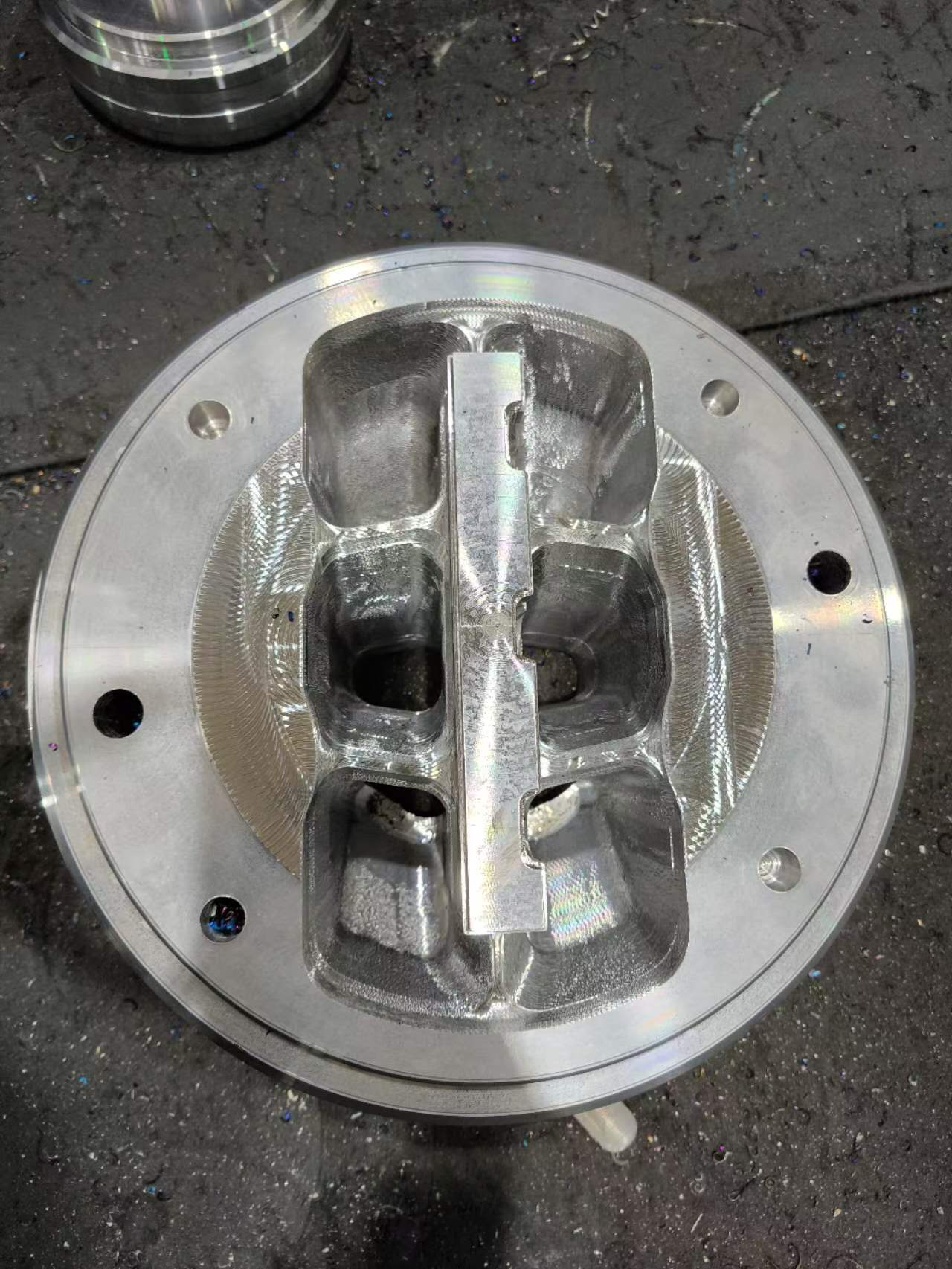
6. Development trends
Automobile and other Industrial Aluminium Profile Extrusion Dies are integral components in the manufacturing of aluminum profiles used across a wide range of industries. These dies play a vital role in shaping and forming aluminum into specific profiles that find applications in automotive, construction, aerospace, electronics, and more.
One of the key development trends in the field of Automobile and other Industrial Aluminium Profile Extrusion Dies is the continuous advancement in die design and manufacturing techniques. With the advent of computer-aided design (CAD) and computer-aided manufacturing (CAM) technologies, die designers can now create intricate and complex profiles with greater precision and efficiency. This allows for the production of customized profiles that meet the specific requirements of various industries.
Another notable trend is the focus on enhancing the durability and longevity of extrusion dies. Manufacturers are constantly researching and implementing new alloys and surface treatments to improve the wear resistance and corrosion resistance of the dies. This ensures that the dies can withstand the high pressure and temperature conditions involved in the extrusion process, resulting in consistent quality profiles over an extended lifespan.
Furthermore, there is a growing emphasis on optimizing the extrusion process to improve productivity and reduce waste. Advanced simulation software is used to analyze and optimize the flow of aluminum during extrusion, leading to better control of the profile dimensions and surface finish. This not only reduces the need for post-extrusion machining but also minimizes material wastage, resulting in cost savings and environmental benefits.
In line with the global trend towards lightweighting and sustainability, there is a significant focus on developing aluminum profiles with improved strength-to-weight ratios. This allows for the production of lightweight components without compromising on structural integrity. Extrusion dies are being designed to accommodate the extrusion of complex profiles with thin walls, enabling the manufacturing of lightweight and fuel-efficient automotive components, aerospace structures, and more.
Additionally, the use of automation and digitalization in the extrusion process is gaining momentum. Automated die handling systems, robotic die cleaning, and real-time monitoring systems are being employed to streamline production, improve efficiency, and ensure consistent quality. Integration of sensors and data analytics enables manufacturers to monitor and optimize key parameters during the extrusion process, leading to improved productivity and enhanced product performance.
In conclusion, the development trends in Automobile and other Industrial Aluminium Profile Extrusion Dies encompass advancements in die design and manufacturing techniques, focus on durability and longevity, optimization of the extrusion process, lightweighting and sustainability, and automation and digitalization. These trends not only contribute to the evolution of extrusion dies but also enable the production of high-quality aluminum profiles that cater to the needs of diverse industries.
Foshan Jieliwei Metal Products Co., Ltd., formerly known as Jieliwei Hardware Processing Factory, was established in October 2006 and upgraded to Foshan Jieliwei Metal Products Co., Ltd. in 2020. The company is located in Sanshui District, Foshan City, Guangdong Province, covering an area of 7000 square meters and employing 200 people.
Our company mainly produces aluminum profile extrusion molds, with a complete mold design, mold programming, and professional product development team. Moreover, the mold production process is mature (including 15 production processes such as cutting, lathe, machining center, wire cutting, electric spark, heat treatment, slow wire cutting, etc.), and we have a complete team of after-sales services.Product Categories:Architectural Aluminum Profile extrusion Dies,Thermal Break Windows Extrusion Dies,Casement Window Profile Extrusion Dies,Curtain Wall Profile Extrusion Dies,Lighting Aluminium Profile Extrusion Dies,Staircase Handrail Profile Extrusion Dies,Photovoltaic Aluminium Profile Extrusion Dies.
Our company has obtained many patents for mold design and processing technology, and has been awarded the title of Foshan High tech Enterprise. The monthly production capacity ranges from 5000 to 6000 sets, with main products including industrial products, radiators, solar houses, building materials, automobiles, solar energy frames, bathroom aluminum molds, etc.