

1. Role and importance
Doors & Windows Profile Extrusion Dies are a crucial component in the manufacturing process of doors and windows profiles. These dies are used in the extrusion process to shape and form the profiles of doors and windows from raw materials such as PVC, aluminum, or wood-plastic composites.
Doors & Windows Profile Extrusion Dies are a crucial component in the manufacturing process of doors and windows profiles. These dies are used in the extrusion process to shape and form the profiles of doors and windows from raw materials such as PVC, aluminum, or wood-plastic composites.
The role of Doors & Windows Profile Extrusion Dies is to precisely shape the molten material as it passes through the die, creating the desired profile with accuracy and consistency. These dies are custom-made to meet the specific design requirements of different types of doors and windows, ensuring that the final products meet the desired specifications.
The importance of Doors & Windows Profile Extrusion Dies lies in their ability to produce high-quality profiles with complex shapes and details. The precision and efficiency of these dies directly impact the quality of the final products, ensuring that doors and windows profiles are manufactured with tight tolerances and smooth finishes.
Furthermore, Doors & Windows Profile Extrusion Dies play a key role in the production efficiency of doors and windows manufacturers. By using custom-made dies that are designed for specific profiles, manufacturers can optimize their production processes, reduce material waste, and increase output capacity.
In addition, Doors & Windows Profile Extrusion Dies are essential for the versatility and flexibility of doors and windows production. Manufacturers can easily switch between different profiles by using different sets of dies, allowing for quick adjustments to meet changing market demands and customer preferences.
Overall, Doors & Windows Profile Extrusion Dies are indispensable components in the doors and windows manufacturing industry, playing a critical role in shaping the profiles of doors and windows with precision, efficiency, and quality. Their importance in ensuring high-quality products, production efficiency, and manufacturing flexibility cannot be overstated.
2. Structure and composition
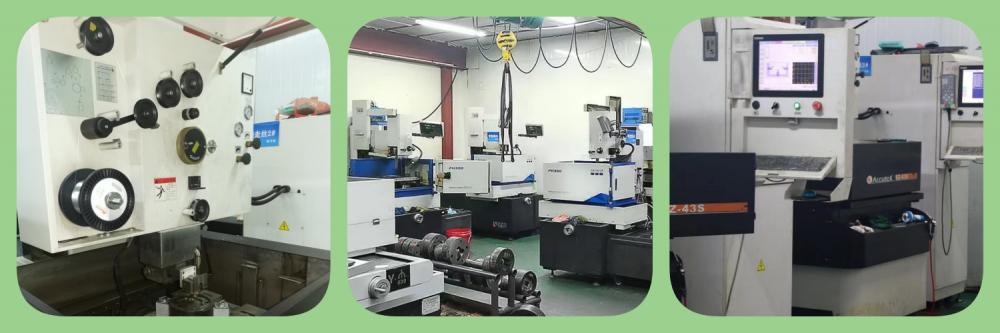
2. Structure and composition
Doors & Windows Profile Extrusion Dies are complex tools that play a vital role in the manufacturing process of doors and windows profiles. These dies are carefully designed and engineered to shape the raw materials into the desired profiles with precision and accuracy. The structure and composition of Doors & Windows Profile Extrusion Dies are key factors that determine the quality and efficiency of the extrusion process.
The structure of these dies typically consists of multiple components that work together to form the profile of the doors and windows. The main components include the die body, die holder, mandrel, and shaping tools. The die body is the main part of the die that houses the other components and provides the necessary support and rigidity. The die holder holds the shaping tools in place and allows for adjustments to be made to achieve different profiles. The mandrel is a core component that helps to shape the profile by guiding the material through the die, while the shaping tools are custom-made inserts that create the specific features and details of the profile.
The composition of Doors & Windows Profile Extrusion Dies is also critical in ensuring the durability and longevity of the tool. These dies are typically made from high-quality materials such as tool steel, carbide, or other wear-resistant alloys to withstand the high temperatures and pressures involved in the extrusion process. The use of premium materials ensures that the dies can withstand the continuous wear and tear of production, resulting in consistent and high-quality profiles.
Furthermore, the design and construction of Doors & Windows Profile Extrusion Dies are tailored to the specific requirements of each profile. Manufacturers work closely with die designers and engineers to develop custom dies that are optimized for the desired profile shape, size, and complexity. The precise geometry of the die cavities, the arrangement of shaping tools, and the cooling systems are all carefully considered to ensure that the extrusion process runs smoothly and efficiently.
In conclusion, the structure and composition of Doors & Windows Profile Extrusion Dies are essential elements that contribute to the successful manufacturing of doors and windows profiles. These dies are meticulously crafted and engineered to produce high-quality profiles with intricate details and smooth finishes. The use of premium materials, innovative designs, and precise construction techniques ensure that Doors & Windows Profile Extrusion Dies are reliable tools that meet the demands of the doors and windows industry.
3. Manufacturing process
3. Manufacturing process
The manufacturing process of Doors & Windows Profile Extrusion Dies involves several steps that require precision and expertise. This process ensures the production of high-quality dies that can shape and form doors and windows profiles with accuracy.
The first step in the manufacturing process is die design. Manufacturers work closely with die designers and engineers to create custom dies that meet the specific requirements of the desired profiles. This involves determining the shape, size, and complexity of the profiles, as well as considering factors such as material flow, cooling systems, and overall die performance.
Once the design is finalized, the next step is die fabrication. This involves the actual construction of the die using high-quality materials such as tool steel, carbide, or other wear-resistant alloys. The die fabrication process may include machining, milling, drilling, and grinding to create the precise geometry and shape of the die cavities and components.
After the die has been fabricated, it undergoes a series of quality control checks to ensure its accuracy and functionality. This may include dimensional inspections, surface finish checks, and testing for proper alignment and fit. Any necessary adjustments or modifications are made at this stage to ensure that the die meets the desired specifications.
Once the die has passed the quality control checks, it is ready for the extrusion process. The die is mounted onto an extrusion machine, which is used to melt and shape the raw materials such as PVC, aluminum, or wood-plastic composites. The heated material is forced through the die cavities and shaped by the mandrel and shaping tools to create the desired profile.
Throughout the extrusion process, operators closely monitor the temperature, pressure, and speed to ensure consistent and high-quality production. Cooling systems may be used to rapidly cool the profile after it exits the die, ensuring proper solidification and dimensional stability.
After the extrusion process, the profiles are cut to the desired lengths and undergo further processing such as surface finishing, cutting of holes or slots, and any necessary additional shaping or machining. The final profiles are then inspected for quality and undergo any required surface treatment or coating before being packaged and shipped to customers.
In conclusion, the manufacturing process of Doors & Windows Profile Extrusion Dies involves die design, fabrication, quality control, extrusion, and post-processing. Each step requires careful attention to detail and precision to ensure the production of high-quality dies that can shape doors and windows profiles accurately and efficiently. This process contributes to the overall success and quality of the doors and windows industry.
4. Use and maintenance, and common troubleshooting methods
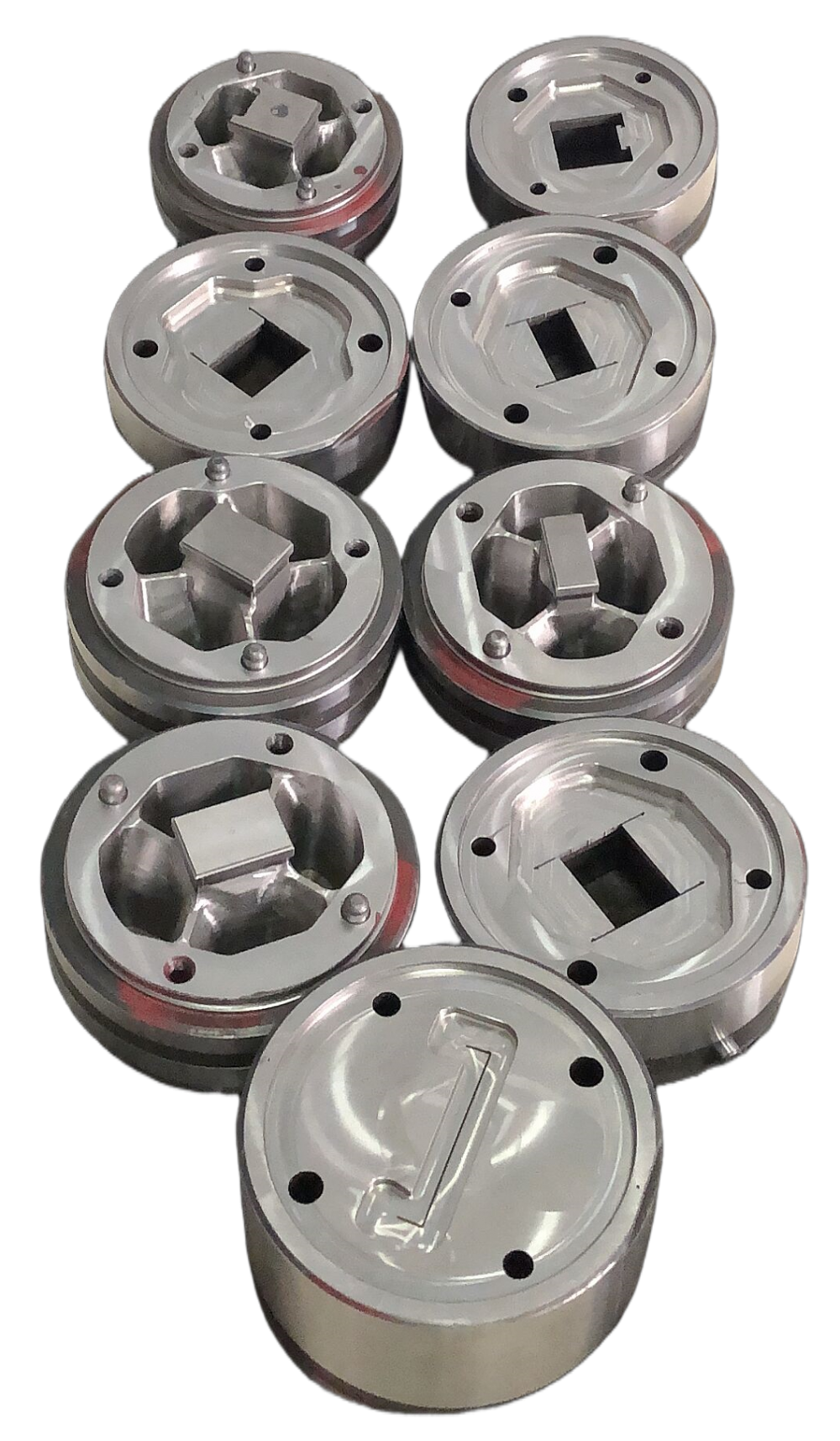
Doors & Windows Profile Extrusion Dies are critical components in the manufacturing process of doors and windows profiles. Proper use, maintenance, and knowledge of common troubleshooting methods are essential to ensure the efficiency and longevity of these dies.
When it comes to the use of Doors & Windows Profile Extrusion Dies, operators must adhere to the manufacturer's guidelines to ensure optimal performance. This includes correctly setting up the extrusion machine, securely mounting and aligning the dies, and monitoring the extrusion process closely to make necessary adjustments in temperature, pressure, and speed to achieve the desired profile quality. Operators should also be trained in the operation of the equipment to prevent mistakes and ensure smooth production.
Regular maintenance is key to preserving the functionality of the dies. This involves routine cleaning to remove material residues or contaminants that could impact the quality of the profiles. Proper lubrication of moving parts within the dies is also crucial to prevent friction and wear. Periodic inspections should be conducted to check for signs of damage or wear, and any issues should be addressed promptly to avoid production disruptions.
In the event of issues or malfunctions during the extrusion process, operators should be familiar with common troubleshooting methods. Profile distortion, often caused by improper die alignment or excessive material flow, can be corrected by adjusting the die position or reducing the material flow rate. Die clogging, another common issue, can be resolved by cleaning the die cavities and ensuring proper material feeding. Surface imperfections or roughness in the profiles may indicate worn-out shaping tools or die components, requiring replacement or adjustment.
It is important for operators to document any troubleshooting steps taken and communicate with maintenance personnel or die manufacturers for further assistance if needed. By following best practices in the use and maintenance of Doors & Windows Profile Extrusion Dies and addressing issues promptly with the knowledge of common troubleshooting methods, operators can ensure the consistent production of high-quality doors and windows profiles, leading to improved efficiency and customer satisfaction.
5. Application areas
5. Application areas
Doors & Windows Profile Extrusion Dies are versatile tools that find application in a wide range of industries and sectors. These dies play a crucial role in shaping and forming profiles for doors and windows, offering precision and efficiency in the manufacturing process. The application areas of Doors & Windows Profile Extrusion Dies include:
Construction Industry: One of the primary application areas of Doors & Windows Profile Extrusion Dies is in the construction industry. These dies are used to produce profiles for doors, windows, frames, and other architectural elements. The profiles produced with these dies are essential components in residential, commercial, and industrial construction projects.
Furniture Manufacturing: Doors & Windows Profile Extrusion Dies are also utilized in the furniture manufacturing industry. They are used to create profiles for furniture components such as cabinet doors, window frames, trim, and other decorative elements. The precise shaping capabilities of these dies ensure high-quality profiles for furniture production.
Automotive Sector: In the automotive sector, Doors & Windows Profile Extrusion Dies are employed to manufacture profiles for vehicle doors, windows, trims, and other automotive components. These dies help in producing custom profiles that meet the specific design requirements of automotive manufacturers, ensuring a high level of precision and quality.
Aerospace Industry: The aerospace industry also utilizes Doors & Windows Profile Extrusion Dies for producing profiles for aircraft doors, windows, panels, and structural components. The ability of these dies to shape complex profiles with tight tolerances is essential in the aerospace sector to meet the stringent safety and performance standards.
Electronics and Electrical Industry: Doors & Windows Profile Extrusion Dies are used in the electronics and electrical industry to manufacture profiles for enclosures, housings, and components of electronic devices. The precise shaping capabilities of these dies ensure proper fit and functionality of the profiles in electronic equipment.
Renewable Energy Sector: In the renewable energy sector, Doors & Windows Profile Extrusion Dies are employed to produce profiles for solar panel frames, wind turbine components, and other renewable energy infrastructure. The high precision and durability of these dies contribute to the efficient production of components for renewable energy systems.
Overall, Doors & Windows Profile Extrusion Dies are indispensable tools in various industries, providing the means to create high-quality profiles for a wide range of applications. Their versatility, precision, and efficiency make them essential components in the manufacturing processes of doors, windows, furniture, automotive, aerospace, electronics, and renewable energy sectors.
6. Development trends
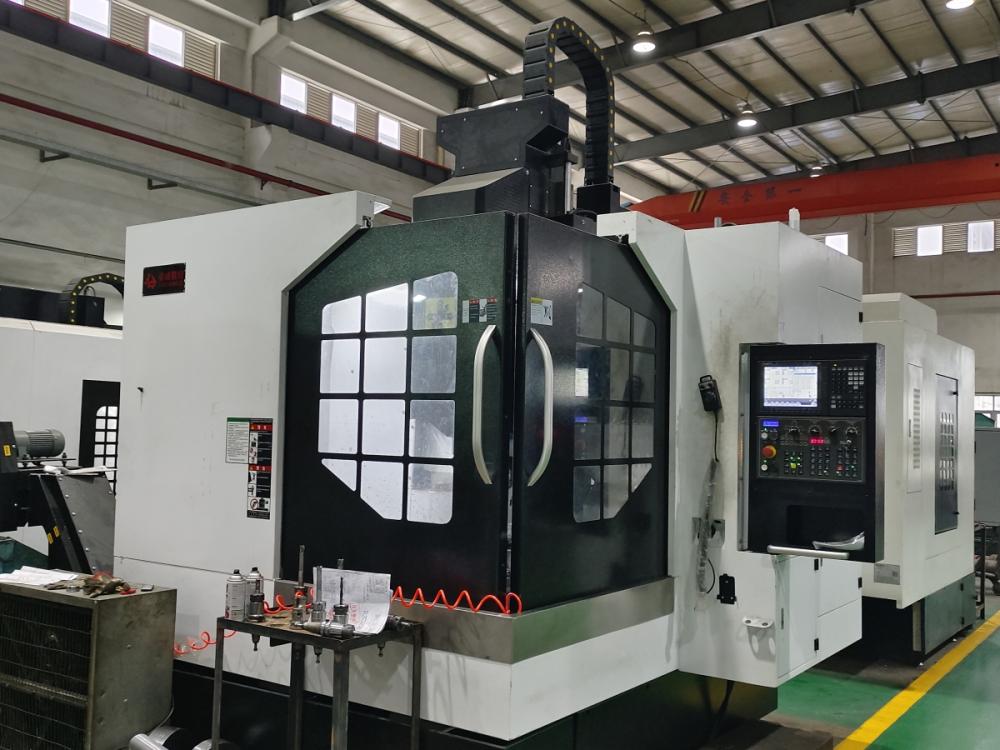
6. Development trends
Doors & Windows Profile Extrusion Dies are essential tools used in the manufacturing process of doors and windows. These dies play a crucial role in shaping and forming the profiles that make up the frames and components of doors and windows.
Profile extrusion dies are specifically designed to create intricate shapes and designs by forcing the heated raw materials, such as PVC, aluminum, or other thermoplastic materials, through a die opening. The die consists of a main body with a cavity that determines the final shape of the extruded profile. It also includes various components such as mandrels, pins, and inserts that help in achieving precise dimensions and features.
The development of doors and windows profile extrusion dies has seen significant advancements in recent years. With the introduction of advanced technologies and materials, these dies have become more efficient, accurate, and versatile. The modern dies are designed to cater to the growing demand for customized profiles and complex designs in the doors and windows industry.
One of the key trends in doors and windows profile extrusion dies is the integration of computer-aided design (CAD) and computer-aided manufacturing (CAM) software. This allows manufacturers to create intricate profile designs digitally and simulate the extrusion process before producing the actual dies. The use of simulation software helps in reducing errors and improving the overall efficiency of the manufacturing process.
Another trend in profile extrusion dies is the incorporation of advanced cooling systems. These systems ensure uniform cooling of the extruded profiles, reducing the risk of distortion and improving the dimensional accuracy. The use of advanced cooling technologies, such as water-cooled dies or air cooling systems, has revolutionized the extrusion process and improved the quality of the final products.
Furthermore, the development of new materials has also impacted the design and performance of doors and windows profile extrusion dies. The use of high-grade steel alloys and surface treatments has enhanced the durability and wear resistance of the dies, allowing them to withstand the high temperatures and pressures involved in the extrusion process.
In addition, the trend towards sustainability and energy efficiency has influenced the design of doors and windows profile extrusion dies. Manufacturers are now focusing on developing dies that minimize material waste and optimize energy consumption during the extrusion process. This not only helps in reducing costs but also contributes to a greener and more sustainable manufacturing industry.
In conclusion, doors and windows profile extrusion dies have undergone significant advancements in recent years. The integration of CAD/CAM software, advanced cooling systems, and the use of new materials have revolutionized the manufacturing process and improved the quality of the final products. With the ongoing development and innovation in this field, we can expect further improvements in the efficiency, accuracy, and sustainability of doors and windows profile extrusion dies.
Foshan Jieliwei Metal Products Co., Ltd., formerly known as Jieliwei Hardware Processing Factory, was established in October 2006 and upgraded to Foshan Jieliwei Metal Products Co., Ltd. in 2020. The company is located in Sanshui District, Foshan City, Guangdong Province, covering an area of 7000 square meters and employing 200 people.
Our company mainly produces aluminum profile extrusion molds, with a complete mold design, mold programming, and professional product development team. Moreover, the mold production process is mature (including 15 production processes such as cutting, lathe, machining center, wire cutting, electric spark, heat treatment, slow wire cutting, etc.), and we have a complete team of after-sales services.Product Categories:Architectural Aluminum Profile extrusion Dies,Thermal Break Windows Extrusion Dies,Casement Window Profile Extrusion Dies,Curtain Wall Profile Extrusion Dies,Lighting Aluminium Profile Extrusion Dies,Staircase Handrail Profile Extrusion Dies,Photovoltaic Aluminium Profile Extrusion Dies.
Our company has obtained many patents for mold design and processing technology, and has been awarded the title of Foshan High tech Enterprise. The monthly production capacity ranges from 5000 to 6000 sets, with main products including industrial products, radiators, solar houses, building materials, automobiles, solar energy frames, bathroom aluminum molds, etc.