
Photovoltaic Aluminium Profile Extrusion Dies play a crucial role in the production of high-quality photovoltaic systems and components. These dies are specialized tools used to shape and extrude aluminum profiles into the desired shapes and dimensions required for photovoltaic applications. The use of these dies is essential for achieving the precision and accuracy required for the production of photovoltaic components.
The importance of Photovoltaic Aluminium Profile Extrusion Dies can be seen in their ability to create intricate and precise profiles that are essential for the functionality of photovoltaic systems. The dies allow manufacturers to create profiles with features such as precise angles, tight tolerances, and complex geometries. These profiles are critical in the production of photovoltaic components such as frames, supports, and mounting systems.
Another important aspect of Photovoltaic Aluminium Profile Extrusion Dies is their ability to extrude aluminum profiles of various sizes and shapes. The dies enable manufacturers to produce profiles that are required for different photovoltaic applications, including solar panels, solar collectors, and other solar energy systems. With the ability to create profiles of different sizes and shapes, these dies contribute significantly to the versatility and flexibility of photovoltaic systems.
In addition to their role in shaping aluminum profiles, Photovoltaic Aluminium Profile Extrusion Dies play a critical role in improving the efficiency and performance of photovoltaic systems. The dies enable manufacturers to create profiles with enhanced thermal conductivity and improved heat dissipation, which are essential for the optimal performance of solar panels and other photovoltaic components.
Moreover, the use of Photovoltaic Aluminium Profile Extrusion Dies in the production of photovoltaic components contributes to the sustainability of the solar energy industry. The dies enable the production of high-quality components that are durable, long-lasting, and require minimal maintenance. This reduces the need for frequent replacements and repairs, leading to a reduction in waste and environmental impact.
In conclusion, Photovoltaic Aluminium Profile Extrusion Dies play a critical role in the production of high-quality and sustainable photovoltaic components. Their ability to create precise and intricate profiles is essential for the functionality and efficiency of photovoltaic systems. As the demand for renewable energy continues to grow, the importance of Photovoltaic Aluminium Profile Extrusion Dies in the solar energy industry is expected to increase, leading to further development and innovation in this field.
2. Structure and composition

2. Structure and composition
Photovoltaic Aluminium Profile Extrusion Dies are complex tools composed of various components that work together to shape and extrude aluminum profiles for photovoltaic applications. The structure and composition of these dies are designed to ensure high precision and efficiency in the extrusion process.
The main components of Photovoltaic Aluminium Profile Extrusion Dies include:
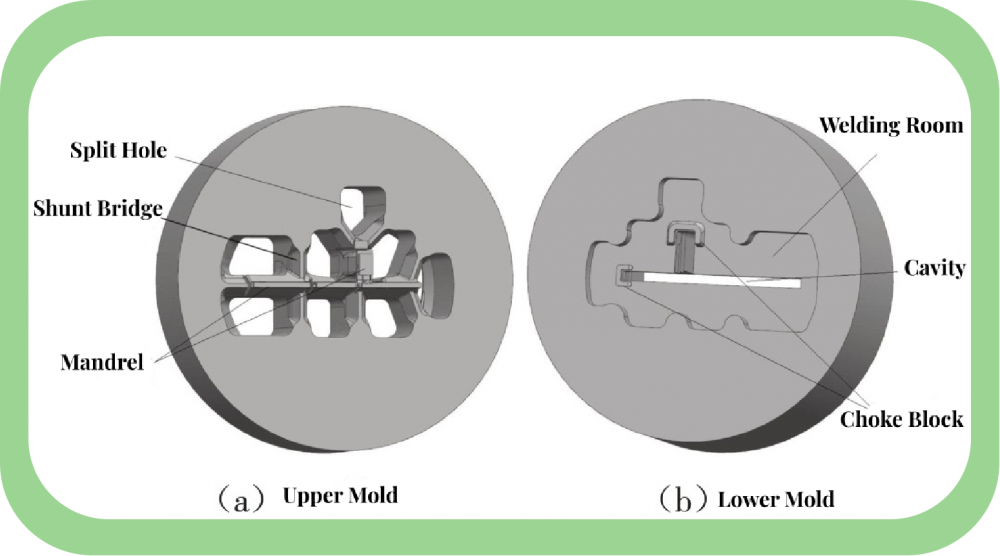
Die Cavity: The die cavity is the main part of the die where the aluminum profile is shaped and formed. It is typically made of high-quality steel with a carefully designed cavity shape that matches the desired profile. The cavity is responsible for giving the profile its final shape and dimensions.
Die Holder: The die holder is the component that holds the die cavity in place. It provides support and stability during the extrusion process. The die holder is typically made of sturdy materials such as steel to withstand the high pressures and forces involved in the extrusion process.
Heating and Cooling Systems: Efficient temperature control is crucial in the extrusion process to ensure proper shaping and cooling of the aluminum profiles. Photovoltaic Aluminium Profile Extrusion Dies are equipped with heating and cooling systems that help maintain the ideal temperature range throughout the process. Heating elements such as electric heaters or oil heaters are used to pre-heat the aluminum billet before extrusion, while cooling systems such as water or air cooling are employed to rapidly cool the extruded profile.
Pressure Systems: Pressure systems, such as hydraulic or pneumatic systems, are an integral part of Photovoltaic Aluminium Profile Extrusion Dies. These systems generate the necessary force to push the aluminum billet through the die cavity, resulting in the extrusion of the desired profile. The pressure is carefully controlled to achieve the desired extrusion speed and quality.
Pre-Extrusion Equipment: Prior to the extrusion process, pre-extrusion equipment is used to prepare the aluminum billet for extrusion. This equipment includes billet heaters, saws, and billet loaders. Billet heaters warm the aluminum billet to a suitable temperature for extrusion, saws cut the billet into the required length, and billet loaders transport the billet to the die for extrusion.
Control and Monitoring Systems: To ensure precise control and monitoring of the extrusion process, Photovoltaic Aluminium Profile Extrusion Dies are equipped with advanced control and monitoring systems. These systems monitor parameters such as temperature, pressure, and speed, allowing operators to make necessary adjustments for optimal extrusion performance.
In conclusion, the structure and composition of Photovoltaic Aluminium Profile Extrusion Dies are carefully designed to enable precise shaping and extrusion of aluminum profiles for photovoltaic applications. With their robust components and advanced control systems, these dies contribute significantly to the efficiency, quality, and sustainability of photovoltaic systems. As the demand for renewable energy continues to rise, further advancements in the structure and composition of these dies are expected to drive the development of more efficient and durable photovoltaic components.
3. Manufacturing process
3. Manufacturing process
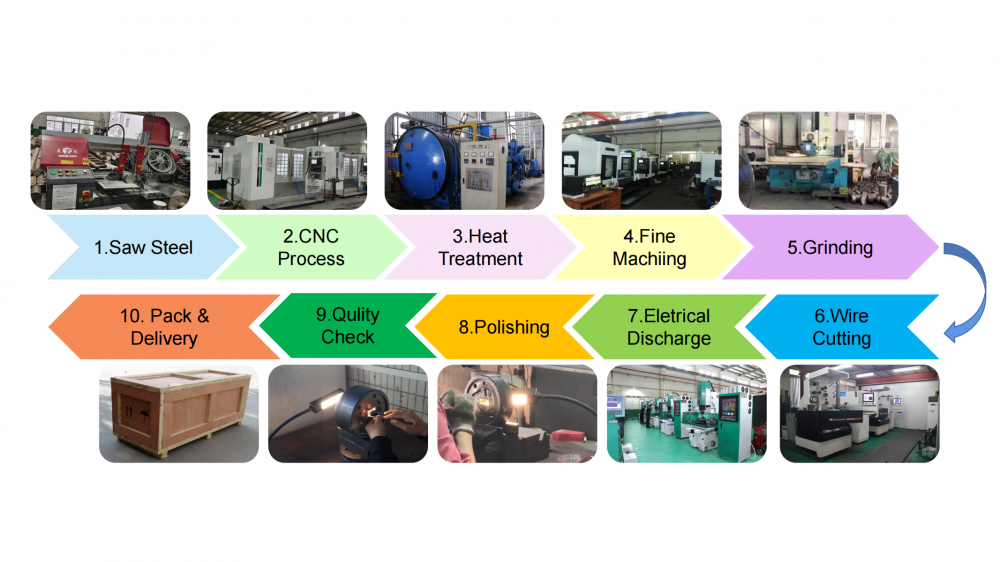
The manufacturing process of Photovoltaic Aluminium Profile Extrusion Dies is a complex and precise process that requires careful attention to detail and quality control. The process typically involves the following steps:
Design: The first step in the manufacturing process is the design of the die. The die is designed based on the specific requirements of the photovoltaic component to be produced. This involves creating a detailed blueprint of the die, including the dies cavity, the die holder, and the heating and cooling systems.
Material Selection: The materials used in the production of Photovoltaic Aluminium Profile Extrusion Dies are carefully selected to ensure high quality and durability. The materials used for the die cavity are typically high-quality tool steel, while the die holder is made from sturdy materials such as steel.
Machining: The next step in the manufacturing process is machining, which involves cutting, drilling, and shaping the die components to the required specifications. This involves using various machining techniques such as milling, turning, and grinding to create the die components with high accuracy and precision.
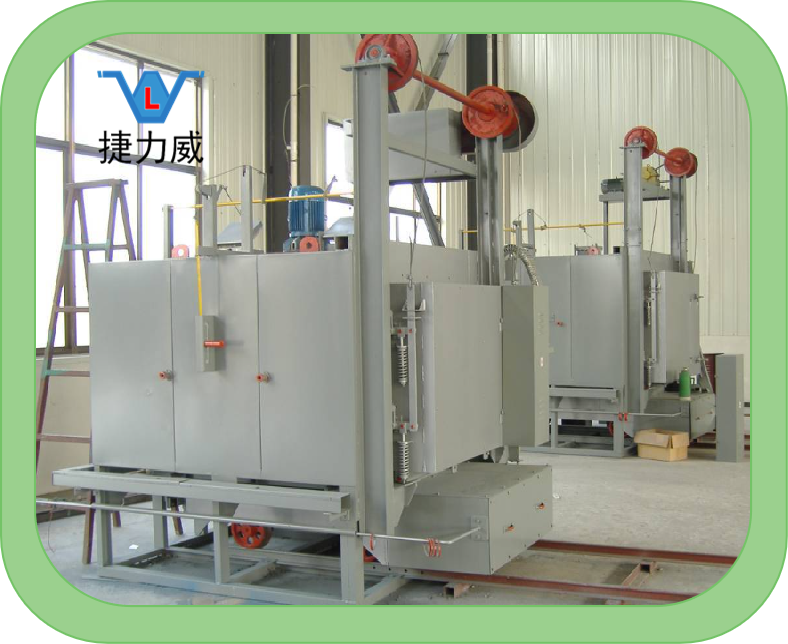
Heat Treatment: Heat treatment is a critical step in the manufacturing process of Photovoltaic Aluminium Profile Extrusion Dies. The die components are heat-treated to improve their strength, hardness, and durability. This involves heating the die components to a specific temperature and then cooling them slowly to achieve the desired properties.
Assembly: Once the die components are machined and heat-treated, they are assembled into the final die structure. This involves carefully fitting the die cavity and the die holder together and attaching the heating and cooling systems. The assembly of the die is done with great care to ensure that all components fit precisely and that the die functions optimally.
Testing: Before the die is used for production, it undergoes rigorous testing to ensure that it meets the required specifications. Testing involves checking the dimensions, surface finish, and overall performance of the die to ensure that it operates efficiently and produces the desired aluminum profile.
Maintenance: Regular maintenance is essential for the longevity and optimal performance of Photovoltaic Aluminium Profile Extrusion Dies. Proper maintenance involves cleaning and lubricating the die components, checking for any signs of wear or damage, and replacing any worn or damaged parts.
In conclusion, the manufacturing process of Photovoltaic Aluminium Profile Extrusion Dies requires careful attention to detail, precision, and quality control. With the use of high-quality materials, advanced machining techniques, and rigorous testing, manufacturers can produce dies that meet the specific requirements of photovoltaic component production. Proper maintenance is also crucial to ensure the longevity and optimal performance of these dies. As the demand for renewable energy continues to grow, further advancements in the manufacturing process of Photovoltaic Aluminium Profile Extrusion Dies are expected to drive the development of more efficient and sustainable photovoltaic components.
4. Use and maintenance, and common troubleshooting methods
4. Use and maintenance, and common troubleshooting methods
Photovoltaic Aluminium Profile Extrusion Dies are an essential component in the manufacturing of photovoltaic cells. These dies are designed to extrude aluminum profiles, which are then used to create the frames that hold the photovoltaic cells in place. The extrusion process is crucial in ensuring that the frames are precisely shaped and sized to accommodate the cells.
Made from high-quality materials, photovoltaic aluminium profile extrusion dies are designed to withstand the high pressures and temperatures involved in the extrusion process. They are made to exact specifications, ensuring that each extruded profile is consistent in shape and size. This consistency is essential for the proper assembly and functioning of the photovoltaic panels.
Proper use and maintenance of photovoltaic aluminium profile extrusion dies are critical for their longevity and quality output. Operators must follow the manufacturer's instructions and guidelines to ensure that the dies are used correctly. They must also ensure that the dies are regularly cleaned and lubricated to prevent build-up and maintain their smooth operation.
In addition to proper use and maintenance, operators must also be familiar with common troubleshooting methods to address any issues that may arise during the extrusion process. Some common issues include profile distortion, cracking, and uneven surfaces. These issues can be caused by a variety of factors, including incorrect temperature settings, improper die alignment, and poor lubrication. Operators must be able to identify the cause of the problem and take corrective action to prevent further issues.
In conclusion, photovoltaic aluminium profile extrusion dies are a critical component in the manufacturing of photovoltaic cells. Proper use and maintenance are essential for their longevity and quality output. Operators must be familiar with common troubleshooting methods to address any issues that may arise during the extrusion process. With proper care and attention, photovoltaic aluminium profile extrusion dies can ensure the consistent production of high-quality photovoltaic panels.
5. Application areas
Photovoltaic Aluminium Profile Extrusion Dies are widely used in various application areas related to the manufacturing of photovoltaic cells. These dies play a crucial role in producing precise and high-quality aluminum profiles that form the frames for holding the photovoltaic cells.
One of the primary application areas for photovoltaic aluminium profile extrusion dies is the solar energy industry. Photovoltaic cells, also known as solar cells, are the key components in solar panels that convert sunlight into electricity. The aluminium frames created using these dies provide structural support and protection to the photovoltaic cells. These frames need to be precisely shaped and sized to ensure the optimal performance and longevity of the solar panels.
Another application area for photovoltaic aluminium profile extrusion dies is the construction industry. As renewable energy becomes more popular, photovoltaic panels are increasingly being integrated into building designs. The aluminium frames created using these dies are used in the construction of solar roofs, facades, and other architectural elements. These frames not only provide structural support but also enhance the aesthetic appeal of the buildings.
The automotive industry is also utilizing photovoltaic aluminium profile extrusion dies for the production of electric vehicles. Solar panels can be integrated into the roofs or other parts of electric vehicles to generate additional power for charging the batteries. The lightweight and durable aluminium frames produced by these dies are ideal for incorporating solar panels into the vehicle design without compromising its overall performance.
The aerospace industry is another application area where photovoltaic aluminium profile extrusion dies find their use. Solar panels are being installed on satellites and spacecraft to provide power in outer space. The frames created using these dies are designed to withstand the extreme conditions of space, including high temperatures, vacuum, and radiation.
Furthermore, photovoltaic aluminium profile extrusion dies are also utilized in the agricultural sector. Solar-powered irrigation systems and other agricultural equipment are becoming popular for sustainable farming practices. The aluminium frames created using these dies are used to mount solar panels in agricultural settings, allowing for efficient use of solar energy in powering water pumps and other machinery.
In conclusion, photovoltaic aluminium profile extrusion dies have a wide range of application areas, including solar energy, construction, automotive, aerospace, and agriculture. These dies play a crucial role in manufacturing precise and high-quality aluminium frames for photovoltaic cells, enabling the production of efficient and durable solar panels for various industries.
6. Development trends
6. Development trends
The use of Photovoltaic Aluminium Profile Extrusion Dies in the manufacturing of photovoltaic cells is steadily increasing, and the development trends for these dies are focused on enhancing their efficiency, durability, and sustainability. The following are some of the development trends in the field of Photovoltaic Aluminium Profile Extrusion Dies:
Advanced Materials: The materials used in the manufacturing of Photovoltaic Aluminium Profile Extrusion Dies are continually evolving. Manufacturers are exploring the use of advanced materials like tungsten carbide and ceramics to enhance the durability and toughness of the dies. These materials can withstand the high pressure and temperatures involved in the extrusion process, resulting in a longer lifespan for the dies.
Precision and Automation: The extrusion process requires precision and accuracy to ensure that the extruded profiles are of the desired shape and size. Manufacturers are investing in advanced automation technologies like robotics and artificial intelligence to enhance the precision of the extrusion process. These technologies enable faster and more accurate extrusion, resulting in higher productivity and reduced manufacturing costs.
Sustainability: Sustainability is becoming a crucial factor in the manufacturing industry, and Photovoltaic Aluminium Profile Extrusion Dies are no exception. Manufacturers are exploring ways to reduce waste, emissions, and energy consumption in the production of these dies. The use of renewable energy sources like solar and wind power is gaining momentum, and manufacturers are investing in sustainable production methods like recycling and reusing materials.
Customization: The demand for customized aluminium profiles is increasing, and manufacturers are responding by developing dies that can produce a wide range of profiles. The ability to produce customized profiles allows manufacturers to cater to the specific needs of their customers, resulting in better customer satisfaction and increased business opportunities.
Integration with Industry 4.0: The integration of Photovoltaic Aluminium Profile Extrusion Dies with Industry 4.0 technologies like the Internet of Things (IoT) and big data analytics is gaining momentum. These technologies enable manufacturers to monitor and control the extrusion process in real-time, resulting in better quality control and reduced downtime.
In conclusion, the development trends in the field of Photovoltaic Aluminium Profile Extrusion Dies are focused on enhancing efficiency, durability, sustainability, customization, and integration with Industry 4.0 technologies. Manufacturers are investing in advanced materials, precision and automation, and sustainable production methods to cater to the evolving needs of the market. The future of Photovoltaic Aluminium Profile Extrusion Dies looks promising, and we can expect to see continued innovation and growth in this field.
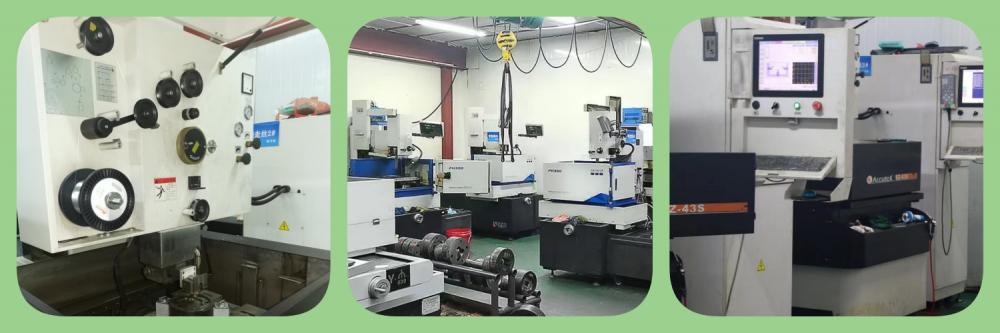
Foshan Jieliwei Metal Products Co., Ltd., formerly known as Jieliwei Hardware Processing Factory, was established in October 2006 and upgraded to Foshan Jieliwei Metal Products Co., Ltd. in 2020. The company is located in Sanshui District, Foshan City, Guangdong Province, covering an area of 7000 square meters and employing 200 people.
Our company mainly produces aluminum profile extrusion molds, with a complete mold design, mold programming, and professional product development team. Moreover, the mold production process is mature (including 15 production processes such as cutting, lathe, machining center, wire cutting, electric spark, heat treatment, slow wire cutting, etc.), and we have a complete team of after-sales services.Product Categories:Architectural Aluminum Profile extrusion Dies,Thermal Break Windows Extrusion Dies,Casement Window Profile Extrusion Dies,Curtain Wall Profile Extrusion Dies,Lighting Aluminium Profile Extrusion Dies,Staircase Handrail Profile Extrusion Dies,Photovoltaic Aluminium Profile Extrusion Dies.
Our company has obtained many patents for mold design and processing technology, and has been awarded the title of Foshan High tech Enterprise. The monthly production capacity ranges from 5000 to 6000 sets, with main products including industrial products, radiators, solar houses, building materials, automobiles, solar energy frames, bathroom aluminum molds, etc.