

Sanitary Ware Profile Extrusion Dies are a critical component in the production of high-quality sanitary ware products. These dies are designed to shape and mold various types of plastics, such as PVC, ABS, and PE, into intricate and precise profiles that are used in the manufacture of sanitary ware products.
The importance of Sanitary Ware Profile Extrusion Dies lies in the fact that they enable manufacturers to produce complex and intricate shapes that cannot be achieved through other traditional molding processes. This means that manufacturers can create products with unique designs and features that serve the needs of their customers.
The role of Sanitary Ware Profile Extrusion Dies is to shape and mold the plastic material into the desired profile shape. The extrusion dies are made of high-quality materials, such as steel, and are precision-engineered to ensure accurate and consistent product output. The die is typically mounted on an extruder, which is used to feed the plastic material into the die. The plastic material flows through the die, and the profile shape is molded and cooled to produce the finished product.
Sanitary Ware Profile Extrusion Dies are used in the production of a wide range of sanitary ware products, such as shower enclosures, bath tubs, sinks, and toilets. These products are used in homes, hotels, hospitals, and other commercial buildings.
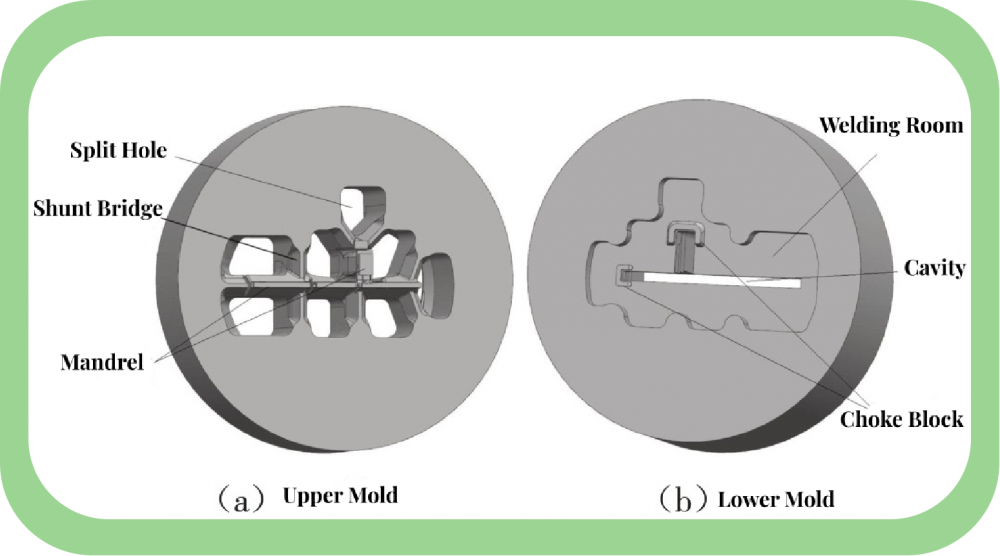
To ensure the highest quality of sanitary ware products, it is essential to use high-quality Sanitary Ware Profile Extrusion Dies. The dies must be designed and manufactured to meet the specific requirements of each product, ensuring that the final product is of the highest quality and meets all necessary standards and regulations.
In conclusion, Sanitary Ware Profile Extrusion Dies play a critical role in the production of high-quality sanitary ware products. They enable manufacturers to create unique and complex shapes that meet the needs of their customers. As such, investing in high-quality extrusion dies is essential for ensuring high-quality product output and customer satisfaction.
2. Structure and composition
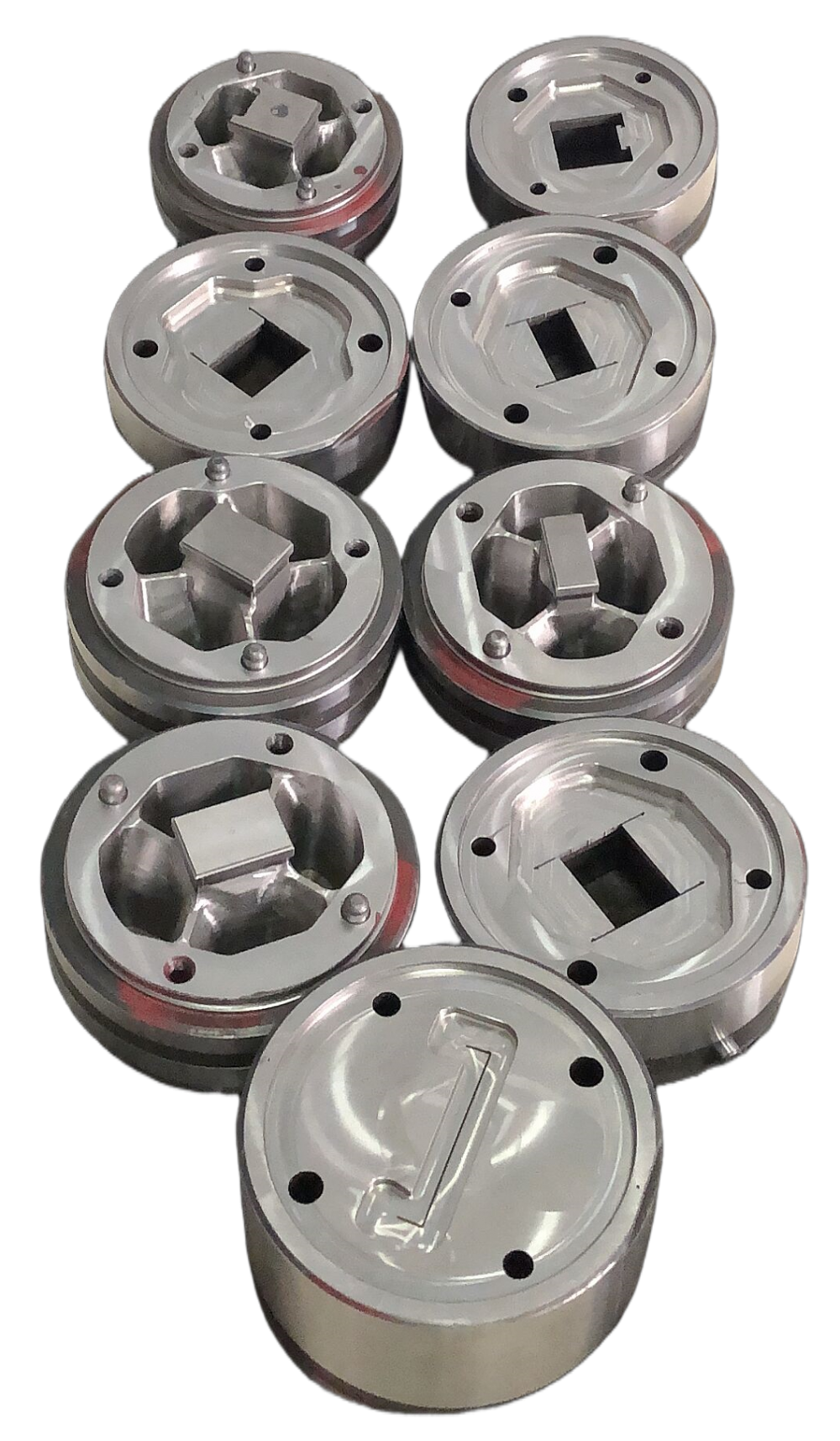
Sanitary Ware Profile Extrusion Dies are complex structures that are precision-engineered to form intricate and precise profile shapes from various types of plastic material. These dies are typically made of high-quality materials such as steel, aluminum, and stainless steel, and are designed to withstand the high pressure and temperature of the extrusion process.
The structure of Sanitary Ware Profile Extrusion Dies is composed of several components that work together to shape the plastic material into the desired profile. These components include the die land, the die body, the die holder, and the die plate, among others.
The die land is the section of the die where the plastic material is shaped and molded into the desired profile shape. This section is typically the most important part of the extrusion die, as it determines the final shape and quality of the product. The die land is precision-machined to ensure that the plastic material flows smoothly through the die and that the final product is consistent and accurate.
The die body is the main body of the extrusion die and is typically made of high-quality steel or aluminum. This component is responsible for supporting the die land and providing the necessary strength and rigidity to withstand the high pressure and temperature of the extrusion process.
The die holder is the component that holds the extrusion die in place on the extruder. This component is typically made of steel or aluminum and is designed to provide a tight and secure fit between the die and the extruder.
The die plate is the component that connects the die holder to the die body. This component is typically made of steel or aluminum and is designed to provide a secure and stable connection between the two components.
In addition to these main components, Sanitary Ware Profile Extrusion Dies may also include additional components such as heaters, thermocouples, and cooling systems. These components are designed to regulate the temperature of the die and the plastic material during the extrusion process, ensuring that the final product is of the highest quality.
In conclusion, Sanitary Ware Profile Extrusion Dies are complex structures composed of several precision-engineered components. These dies are designed to shape and mold various types of plastic material into intricate and precise profile shapes, and are essential components in the production of high-quality sanitary ware products. The use of high-quality materials and precision engineering ensures that these dies are durable, reliable, and capable of producing consistent and accurate products.
3. Manufacturing process
3. Manufacturing process
The manufacturing process of Sanitary Ware Profile Extrusion Dies is a complex and precision-driven process that involves several steps. The process begins with the design and engineering of the extrusion die, which is typically carried out by highly skilled engineers and designers. The design process involves creating 3D models of the die and ensuring that it meets all the necessary specifications and requirements.
Once the design is finalized, the manufacturing process begins. The first step is to select the appropriate materials for the die. Typically, high-quality materials such as steel, aluminum, and stainless steel are used to ensure that the die is durable, reliable, and can withstand high pressures and temperatures.
The next step in the manufacturing process is to machine the components of the die. This involves using precision cutting and shaping tools to create the various components of the die, such as the die body, die holder, die plate, and die land. These components are then assembled and welded together to form the complete extrusion die.
After the die is assembled, it undergoes a rigorous testing process to ensure that it meets all the necessary specifications and requirements. This testing process typically involves running the die through several extrusion processes to ensure that it can produce accurate and consistent products.
Once the die has been tested and approved, it is ready for use in the production of sanitaryware products. The die is typically mounted on an extruder, which feeds the plastic material into the die. The plastic material flows through the die, and the profile shape is molded and cooled to produce the finished product.
Throughout the manufacturing process, quality control is a critical component to ensure that the extrusion die is producing high-quality products. This involves using advanced testing and inspection techniques to monitor the quality of the die and the products it produces.
In conclusion, the manufacturing process of Sanitary Ware Profile Extrusion Dies is a complex and precision-driven process that involves several steps. From the design and engineering of the die to the testing and production of the finished product, every step must be carefully executed to ensure that the extrusion die is capable of producing high-quality sanitaryware products. The use of high-quality materials, precision engineering, and rigorous quality control processes are essential to ensure that the extrusion die is reliable, durable, and capable of producing accurate and consistent products.
4. Use and maintenance, and common troubleshooting methods
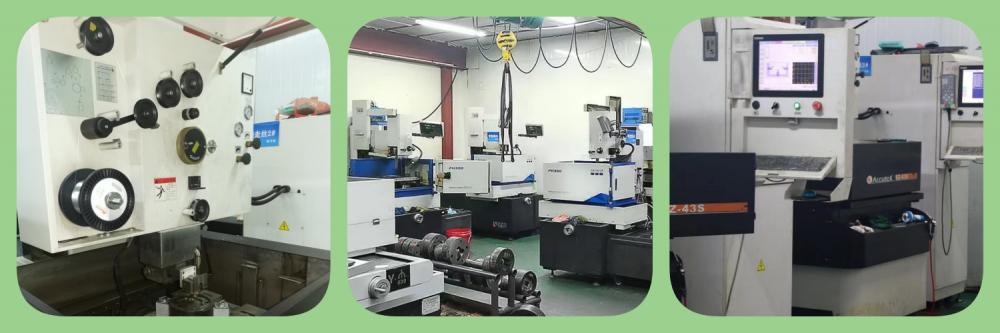
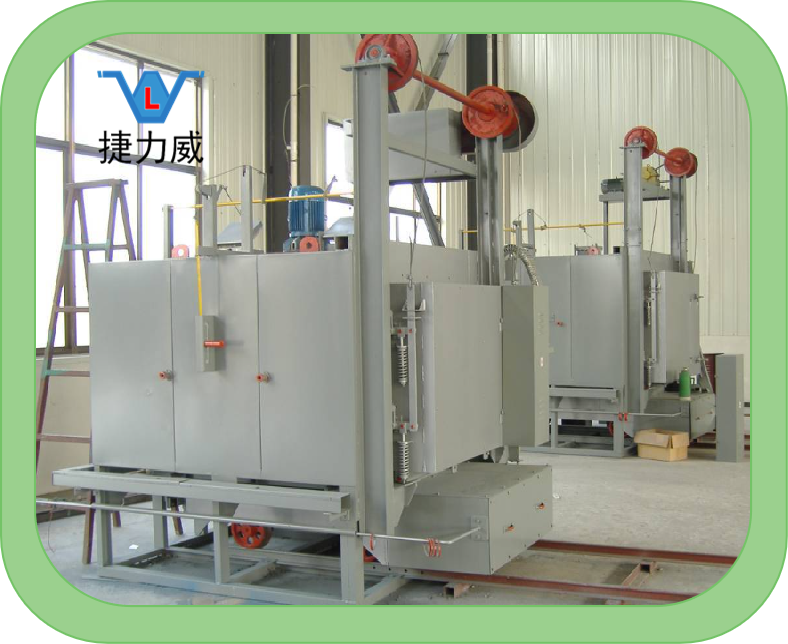
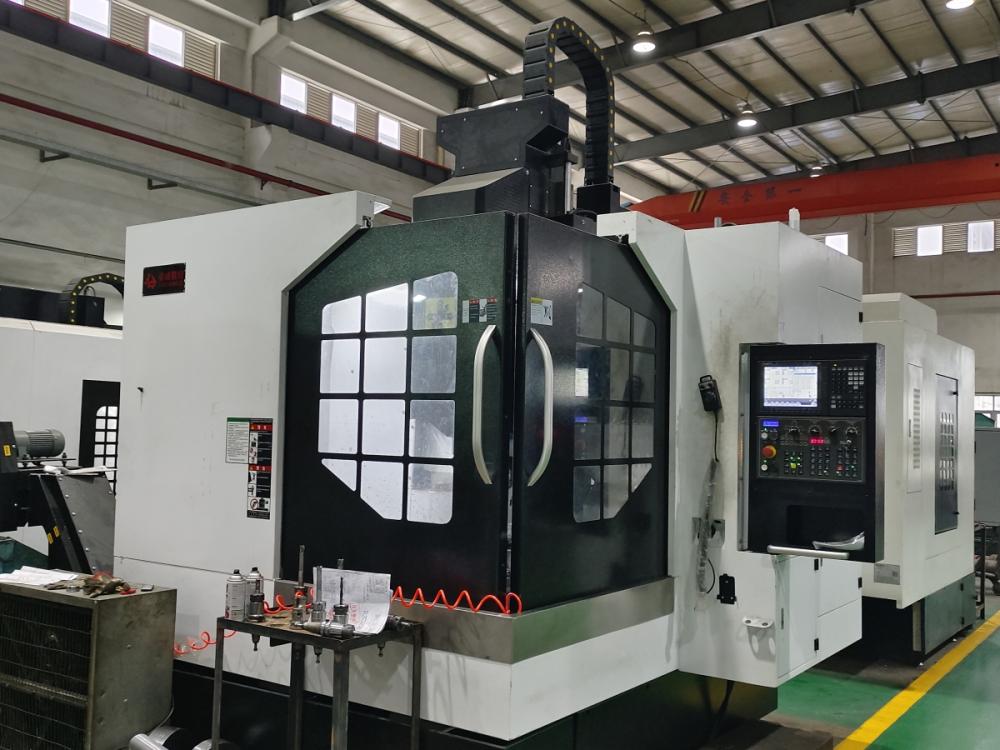
Sanitary Ware Profile Extrusion Dies are essential tools in the production of high-quality sanitary ware products. These dies require proper use and maintenance to ensure optimal performance and longevity. The use of Sanitary Ware Profile Extrusion Dies involves mounting them onto an extruder, which feeds the plastic material into the die. It is important to ensure that the die is securely attached to the extruder and properly aligned to achieve the desired profile shape. Operators should carefully monitor the extrusion process to ensure that the plastic material flows smoothly through the die and that the finished product meets quality standards.
Regular maintenance of Sanitary Ware Profile Extrusion Dies is necessary to prevent wear and tear, prolong the die's lifespan, and maintain product quality. Maintenance tasks may include cleaning the die components, inspecting for any signs of damage or wear, and replacing any worn-out parts. It is also important to regularly lubricate the moving parts of the die to ensure smooth operation.
In addition to regular maintenance, operators should be familiar with common troubleshooting methods to address any issues that may arise during the extrusion process. Common problems that may occur include uneven product profiles, material overheating, or blockages in the die. To address these issues, operators can adjust temperature settings, check for any obstructions in the die, or inspect the die components for any wear that may be affecting product quality.
Overall, proper use, maintenance, and troubleshooting of Sanitary Ware Profile Extrusion Dies are essential to ensure the efficient production of high-quality sanitary ware products. By following recommended maintenance practices and addressing any issues promptly, operators can maximize the lifespan of the dies and consistently produce products that meet quality standards.
5. Application areas
Sanitary Ware Profile Extrusion Dies are versatile tools used in various application areas within the sanitary ware industry. These dies are specifically designed to extrude plastic materials into the desired shapes and profiles required for the production of sanitary ware products.
One of the primary application areas for Sanitary Ware Profile Extrusion Dies is in the production of bathroom fixtures such as sinks, bathtubs, and shower trays. These dies enable manufacturers to create intricate and precise profiles that enhance the aesthetics and functionality of these products. The dies are capable of producing a wide range of profiles, including curved edges, smooth surfaces, and intricate designs, to meet the diverse demands of the market.
Another important application area for Sanitary Ware Profile Extrusion Dies is in the production of pipes and fittings. These dies are used to extrude plastic materials into various pipe and fitting profiles such as elbows, tees, and connectors. The dies enable manufacturers to produce high-quality and leak-proof pipes and fittings that are essential for plumbing systems in residential, commercial, and industrial buildings.
Sanitary Ware Profile Extrusion Dies are also used in the production of other sanitary ware products such as toilet seats, bidets, and urinals. These dies allow manufacturers to create profiles that not only provide comfort and functionality but also meet hygiene requirements. The dies can produce profiles with features such as anti-bacterial surfaces and easy-to-clean designs, ensuring optimal hygiene standards in sanitary ware products.
Furthermore, Sanitary Ware Profile Extrusion Dies find applications in the production of accessories and decorative elements for sanitary ware products. These dies enable manufacturers to create profiles for items such as soap dishes, towel holders, and decorative trims, enhancing the overall aesthetic appeal of the sanitary ware products.
Overall, Sanitary Ware Profile Extrusion Dies play a vital role in the production of a wide range of sanitary ware products. They enable manufacturers to create precise and complex profiles that meet the demands of the market. With their versatility and capability to produce various profiles, these dies contribute significantly to the design, functionality, and quality of sanitary ware products in the industry. Manufacturers can rely on these dies to meet the growing demands of customers and deliver high-quality sanitary ware products for various application areas.
6. Development trends
6. Development trends
Sanitary Ware Profile Extrusion Dies have witnessed significant development and innovation over the years. As the demand for high-quality sanitary ware products continues to grow, manufacturers are constantly striving to improve the performance, efficiency, and versatility of these dies. Here are some key development trends in the field of Sanitary Ware Profile Extrusion Dies:
Advanced Material Compatibility: With the emergence of new plastic materials that offer enhanced properties such as durability, chemical resistance, and eco-friendliness, there is a growing need for Sanitary Ware Profile Extrusion Dies that are compatible with these materials. Manufacturers are developing dies that can effectively extrude a wide range of materials, including PVC, PP, PE, and ABS, to meet the diverse requirements of the market.
Precision and Customization: In response to the increasing demand for unique and customized sanitary ware products, manufacturers are focusing on developing dies that offer higher precision and flexibility. Advanced design and manufacturing techniques are being employed to create dies that can produce intricate and complex profiles with high accuracy, ensuring consistent quality and aesthetic appeal.
Automation and Digitalization: To improve production efficiency and reduce labor costs, manufacturers are incorporating automation and digitalization technologies into the design and operation of Sanitary Ware Profile Extrusion Dies. These technologies enable real-time monitoring, data analysis, and process optimization, resulting in faster production cycles, reduced waste, and improved overall productivity.
Energy Efficiency: In line with the global push for sustainability and energy conservation, manufacturers are investing in the development of energy-efficient Sanitary Ware Profile Extrusion Dies. These dies are designed to minimize energy consumption during the extrusion process while maintaining optimal performance. By reducing energy usage, manufacturers can not only contribute to environmental conservation but also achieve cost savings.
Integration of Cooling Systems: Cooling is a critical factor in the extrusion process, as it affects the dimensional accuracy and surface finish of the extruded profiles. In order to achieve uniform cooling and prevent warping or distortion, manufacturers are integrating advanced cooling systems into Sanitary Ware Profile Extrusion Dies. These systems ensure consistent and controlled cooling, resulting in improved product quality.
Continuous Innovation: The development of Sanitary Ware Profile Extrusion Dies is an ongoing process, driven by the need for constant improvement and innovation. Manufacturers are continuously researching and experimenting with new materials, designs, and manufacturing techniques to push the boundaries of what is possible with these dies. This drive for innovation ensures that the industry stays at the forefront of technological advancements and meets the evolving demands of the market.
In conclusion, the development of Sanitary Ware Profile Extrusion Dies is characterized by advanced material compatibility, precision and customization, automation and digitalization, energy efficiency, integration of cooling systems, and continuous innovation. These trends contribute to the production of high-quality and customized sanitary ware products, meeting the diverse needs of customers in the global market.
Foshan Jieliwei Metal Products Co., Ltd., formerly known as Jieliwei Hardware Processing Factory, was established in October 2006 and upgraded to Foshan Jieliwei Metal Products Co., Ltd. in 2020. The company is located in Sanshui District, Foshan City, Guangdong Province, covering an area of 7000 square meters and employing 200 people.
Our company mainly produces aluminum profile extrusion molds, with a complete mold design, mold programming, and professional product development team. Moreover, the mold production process is mature (including 15 production processes such as cutting, lathe, machining center, wire cutting, electric spark, heat treatment, slow wire cutting, etc.), and we have a complete team of after-sales services.Product Categories:Architectural Aluminum Profile extrusion Dies,Thermal Break Windows Extrusion Dies,Casement Window Profile Extrusion Dies,Curtain Wall Profile Extrusion Dies,Lighting Aluminium Profile Extrusion Dies,Staircase Handrail Profile Extrusion Dies,Photovoltaic Aluminium Profile Extrusion Dies.
Our company has obtained many patents for mold design and processing technology, and has been awarded the title of Foshan High tech Enterprise. The monthly production capacity ranges from 5000 to 6000 sets, with main products including industrial products, radiators, solar houses, building materials, automobiles, solar energy frames, bathroom aluminum molds, etc.