

Sliding Doors Profile Extrusion Dies play a significant role in the manufacturing of sliding doors, which are widely used in homes, offices, and commercial buildings. These dies are designed to extrude aluminum profiles that form the frames for sliding doors. The extrusion process is critical in ensuring that the profiles are precisely shaped and sized to fit the sliding doors' tracks.
The importance of Sliding Doors Profile Extrusion Dies lies in their ability to produce high-quality and consistent profiles. The precise shaping and sizing of the profiles ensure that the sliding doors operate smoothly and efficiently. The durability of the profiles is also crucial for long-term performance and maintenance.
One of the advantages of using Sliding Doors Profile Extrusion Dies is the ability to customize the profiles according to specific design requirements. This flexibility enables manufacturers to produce sliding doors of different sizes, shapes, and finishes to cater to their customers' needs. Additionally, the use of aluminum in the extrusion process results in lightweight and corrosion-resistant profiles, making them ideal for use in sliding doors.
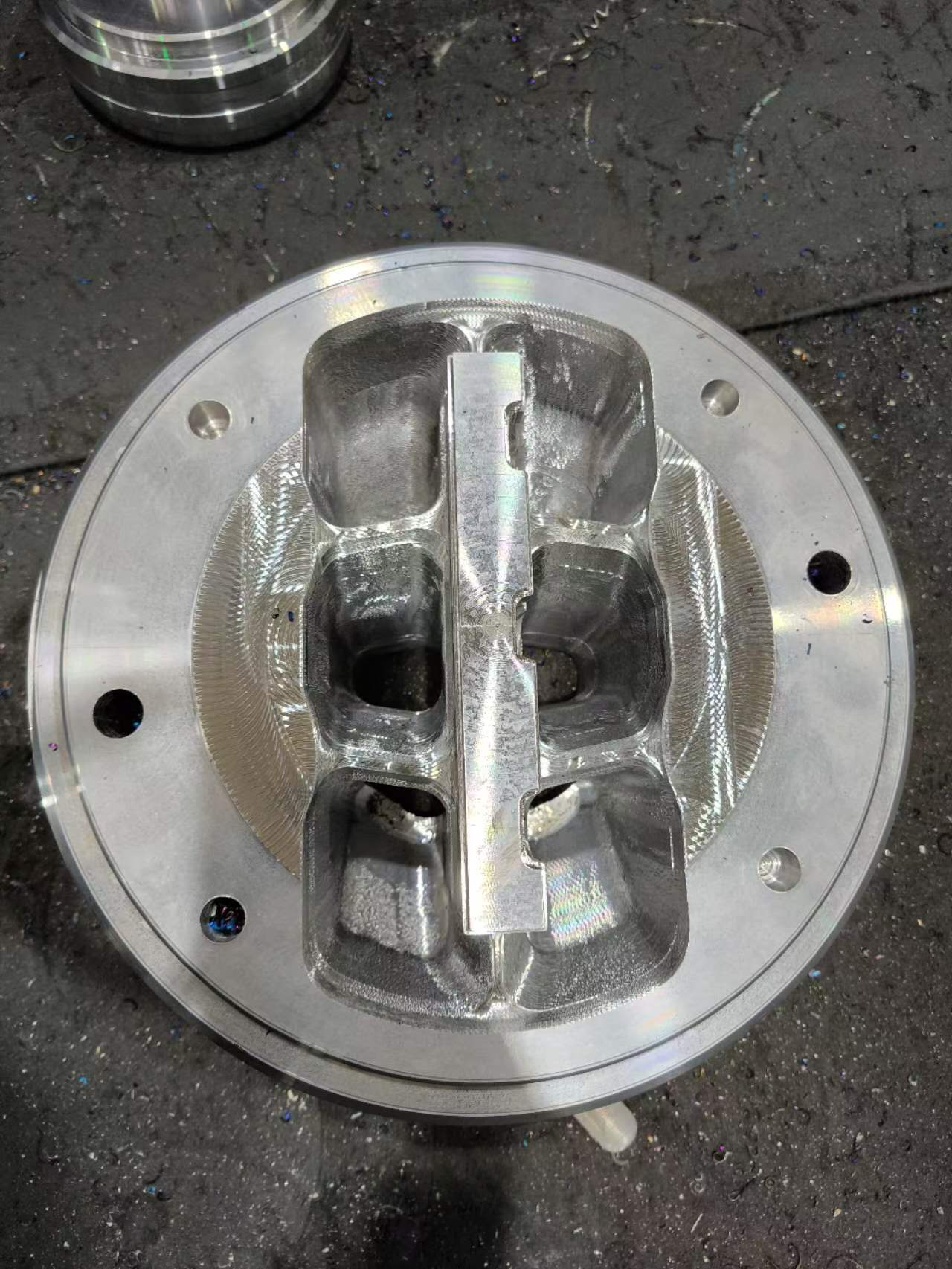
Another important aspect of Sliding Doors Profile Extrusion Dies is their ease of use and maintenance. Operators must follow the manufacturer's instructions and guidelines to ensure that the dies are used correctly. Proper cleaning and lubrication of the dies are essential for their longevity and quality output. Regular maintenance and replacement of worn-out parts are also necessary to ensure the extrusion process's smooth operation.
In conclusion, Sliding Doors Profile Extrusion Dies play a crucial role in the manufacturing of sliding doors, providing precise and consistent profiles that ensure the smooth and efficient operation of the doors. Their ability to produce customized profiles and ease of use and maintenance make them ideal for sliding door manufacturers. With their durability and high-quality output, Sliding Doors Profile Extrusion Dies are an essential component in the production of sliding doors for homes, offices, and commercial buildings.
2. Structure and composition
2. Structure and composition
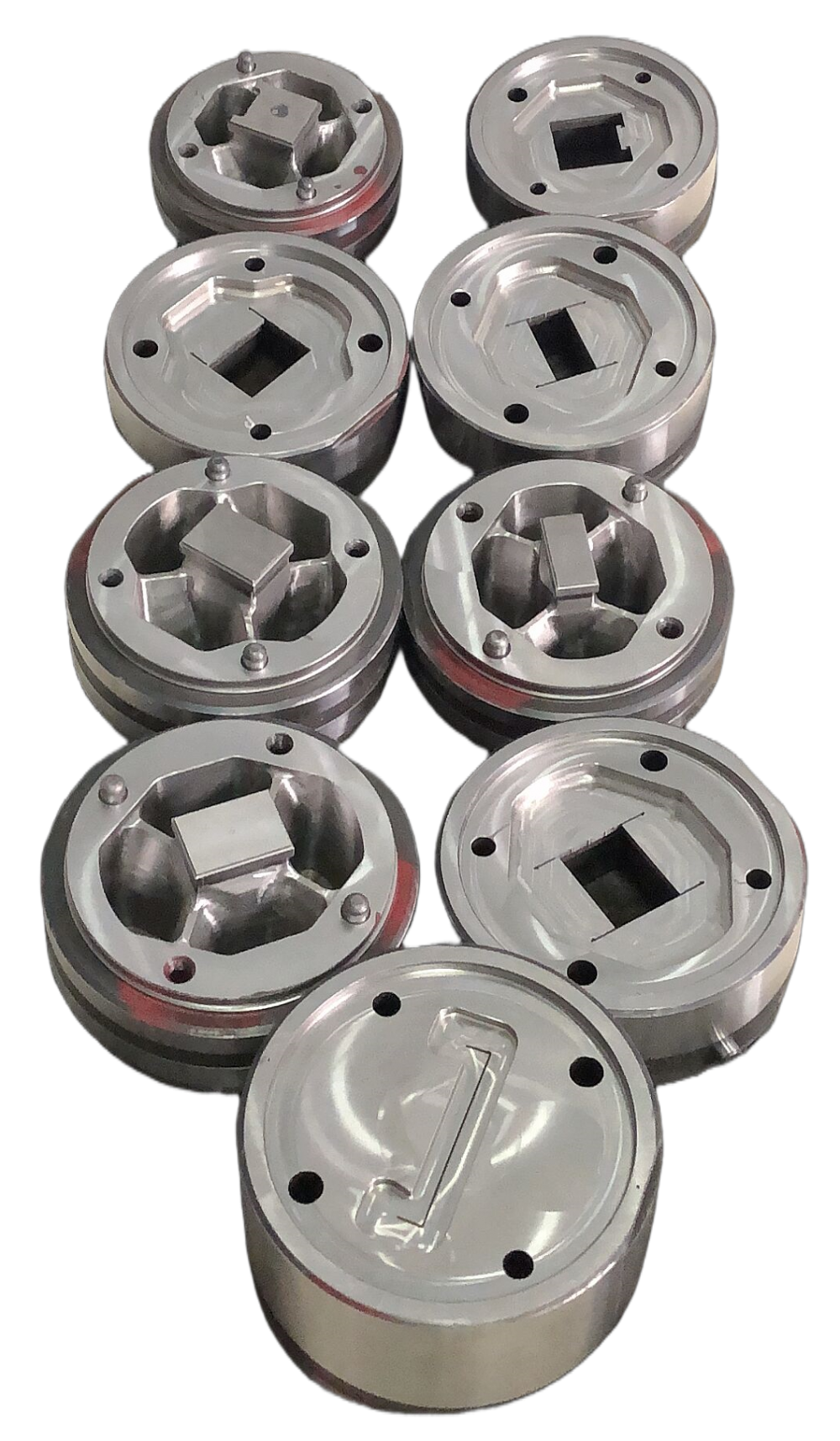
Sliding Doors Profile Extrusion Dies are complex structures composed of various components that work together to produce precise and high-quality profiles for sliding doors. Let's take a closer look at the structure and composition of these dies.
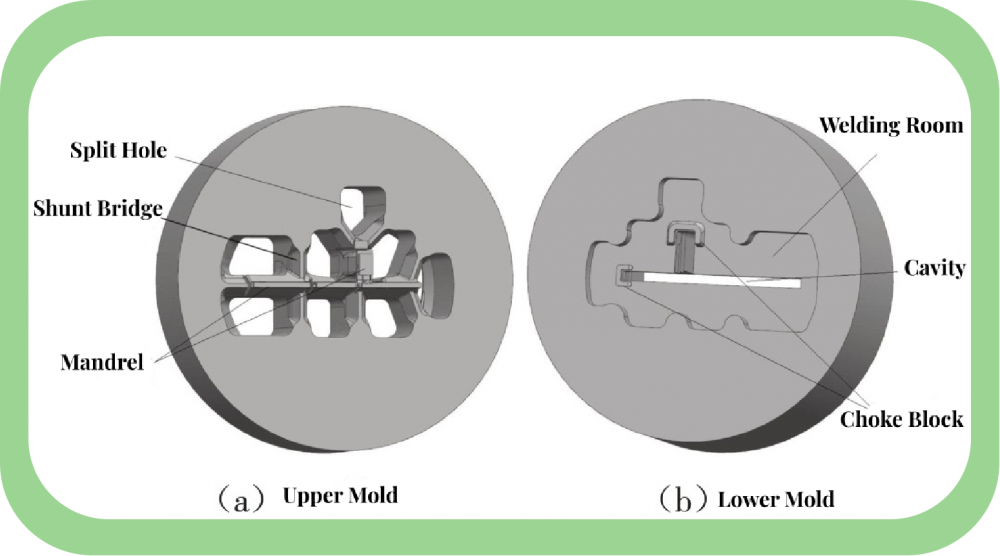
Die Cavity: The die cavity is the main component of the extrusion die. It is a hollow cavity with a specific shape that determines the cross-sectional profile of the extruded aluminum. The dimensions and design of the die cavity are crucial in achieving the desired shape and size of the profiles.
Die Plate: The die cavity is mounted on a die plate, which serves as a support structure for the die cavity. The die plate is typically made of a durable and heat-resistant material, such as steel or alloy, to withstand the high pressures and temperatures involved in the extrusion process.
Heating System: Sliding Doors Profile Extrusion Dies are equipped with a heating system to heat the aluminum billet and maintain it at the desired temperature during the extrusion process. The heating system usually consists of electric heaters or resistance elements embedded in the die plate. Proper heating is essential for achieving uniform and consistent extrusion.
Cooling System: After the extrusion process, the profiles need to be cooled down and hardened. Sliding Doors Profile Extrusion Dies are equipped with a cooling system, which typically includes water channels or air vents that help dissipate the heat from the profiles. The cooling system is important in preventing deformation and ensuring the dimensional stability of the profiles.
Die Holder: The die holder is used to secure and position the extrusion die during the extrusion process. It provides stability and allows for adjustments in the die position if needed. The die holder is usually made of a strong and rigid material, such as steel, to ensure the die remains in place during the extrusion process.
Auxiliary Components: Sliding Doors Profile Extrusion Dies may also include various auxiliary components, such as die inserts, mandrels, and pins. These components are used to create specific features or details in the profiles, such as grooves, holes, or chamfers. The design and selection of these auxiliary components depend on the specific requirements of the sliding door profiles.
In conclusion, Sliding Doors Profile Extrusion Dies are complex structures composed of die cavities, die plates, heating and cooling systems, die holders, and various auxiliary components. The proper design and composition of these components are crucial in achieving precise and high-quality profiles for sliding doors. With their robust structure and careful composition, Sliding Doors Profile Extrusion Dies are essential tools in the manufacturing of sliding doors for residential, commercial, and industrial applications.
3. Manufacturing process
3. Manufacturing process
The manufacturing process of Sliding Doors Profile Extrusion Dies is a complex and intricate process that involves several steps to create high-quality and precision dies for producing aluminum profiles used in sliding doors. Let's take a closer look at the detailed manufacturing process:
Design and Engineering: The manufacturing process begins with the design and engineering phase, where the specifications and requirements of the sliding doors profiles are carefully analyzed. Engineers use specialized software to create detailed designs of the extrusion dies, including the die cavity, die plate, heating and cooling systems, die holder, and auxiliary components. The design phase is crucial in ensuring that the extrusion dies will meet the desired profile dimensions and quality standards.
Material Selection: High-quality and durable materials are selected for constructing the Sliding Doors Profile Extrusion Dies. Materials such as tool steel, carbide, or other heat-resistant alloys are commonly used to withstand the high pressures and temperatures encountered during the extrusion process. The materials are carefully selected to ensure the longevity and performance of the extrusion dies.
Machining and Fabrication: Once the design is finalized and materials are selected, the manufacturing process moves to the machining and fabrication stage. Precision machining techniques such as milling, turning, drilling, and grinding are used to shape and refine the components of the extrusion dies. The die cavity, die plate, die holder, and auxiliary components are meticulously machined to achieve the precise dimensions and tolerances required for producing accurate profiles.
Assembly and Integration: After the individual components are fabricated, they are assembled together to create the complete Sliding Doors Profile Extrusion Dies. Skilled technicians carefully assemble the die cavity, die plate, heating and cooling systems, die holder, and auxiliary components, ensuring that each component is properly aligned and securely fastened. The integration of the components is critical in maintaining the structural integrity and functionality of the extrusion dies.
Testing and Quality Control: Before the Sliding Doors Profile Extrusion Dies are put into production, they undergo rigorous testing and quality control procedures. The extrusion dies are tested for dimensional accuracy, surface finish, and overall performance using specialized equipment. Any defects or inconsistencies are identified and rectified to ensure that the extrusion dies meet the required quality standards.
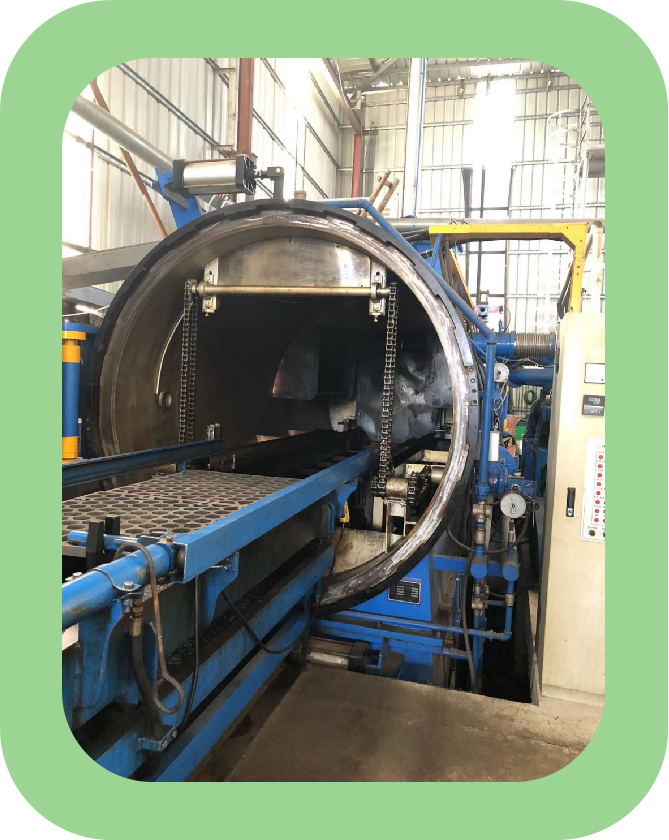
Installation and Commissioning: Once the Sliding Doors Profile Extrusion Dies pass the testing phase, they are installed and commissioned in the extrusion equipment. Operators receive training on the proper use and maintenance of the dies to ensure optimal performance and longevity. The extrusion process is then initiated, and the Sliding Doors Profile Extrusion Dies begin producing high-quality aluminum profiles for sliding doors.
In conclusion, the manufacturing process of Sliding Doors Profile Extrusion Dies is a meticulous and precise procedure that involves design, material selection, machining, assembly, testing, and commissioning. By adhering to strict quality control measures and utilizing advanced manufacturing techniques, manufacturers can produce reliable and efficient extrusion dies for creating aluminum profiles used in sliding doors.
4. Use and maintenance, and common troubleshooting methods
4. Use and maintenance, and common troubleshooting methods
Sliding Doors Profile Extrusion Dies are essential tools used in the production of high-quality sliding doors. These dies are designed to produce extruded profiles that are used to form the frames and tracks of sliding doors. The extrusion process involves forcing molten plastic or metal through a die to create a specific shape or profile.
The Sliding Doors Profile Extrusion Dies are made from high-quality materials that ensure they are durable and long-lasting. The dies are designed to withstand high temperatures and pressures, which are necessary for the extrusion process. They are also designed to produce consistent and precise profiles for high-quality sliding doors.
The maintenance of Sliding Doors Profile Extrusion Dies is crucial to ensure they continue to produce consistent and precise profiles. Regular cleaning and lubrication of the dies are necessary to prevent buildup and reduce wear and tear. It is also essential to inspect the dies regularly for wear and damage, which can affect the quality of the extruded profiles. Any damaged or worn parts should be replaced immediately to ensure the dies continue to perform optimally.
Common troubleshooting methods for Sliding Doors Profile Extrusion Dies include identifying and addressing issues such as overheating, blockages, and uneven extrusion. Overheating can be caused by issues such as insufficient cooling or incorrect temperature settings, and can be resolved by adjusting the cooling system or temperature settings. Blockages can be caused by debris or impurities in the material being extruded, and can be resolved by cleaning the die or adjusting the speed of the extrusion process. Uneven extrusion can be caused by issues such as worn or damaged die parts, and can be resolved by replacing the affected parts or adjusting the extrusion parameters.
In conclusion, Sliding Doors Profile Extrusion Dies are essential tools in the production of high-quality sliding doors. They are made from high-quality materials, designed to withstand high temperatures and pressures, and require regular maintenance to ensure optimal performance. Common troubleshooting methods for Sliding Doors Profile Extrusion Dies include identifying and addressing issues such as overheating, blockages, and uneven extrusion. With proper use and maintenance, Sliding Doors Profile Extrusion Dies can produce consistent and precise profiles for high-quality sliding doors.
5. Application areas
5. Application areas
Sliding Doors Profile Extrusion Dies are essential components in the production of sliding doors, a popular choice for both residential and commercial applications. These dies play a critical role in shaping and forming the extruded profiles that make up the sliding door frames.
One of the main application areas for Sliding Doors Profile Extrusion Dies is in the construction industry. Sliding doors are commonly used in residential buildings, offices, and commercial establishments. These doors offer several advantages, such as space-saving, easy operation, and aesthetic appeal. The extruded profiles created using these dies form the basis of the sliding door frames, ensuring their stability and functionality.
Another application area for Sliding Doors Profile Extrusion Dies is in the manufacturing of furniture. Sliding doors are widely utilized in the production of cabinets, wardrobes, and closets. The extruded profiles produced with these dies are used to create the door panels and frames, providing smooth and seamless sliding mechanisms for easy access to storage spaces. Additionally, the use of sliding doors in furniture design adds a modern and sophisticated touch to any living or working space.
Sliding Doors Profile Extrusion Dies are also utilized in the automotive industry. These dies are employed in the production of sliding doors for vehicles, such as vans and buses. Sliding doors in automotive applications provide convenience and ease of entry and exit for passengers. The extruded profiles created with these dies ensure the structural integrity and smooth operation of the sliding doors, meeting the stringent requirements of the automotive industry.
Furthermore, Sliding Doors Profile Extrusion Dies find application in the manufacturing of industrial equipment and machinery. Industrial sliding doors are used in warehouses, factories, and other industrial facilities to provide access to large openings and secure storage areas. The extruded profiles produced by these dies are designed to withstand heavy-duty usage, ensuring the durability and reliability of the sliding doors in harsh industrial environments.
Lastly, Sliding Doors Profile Extrusion Dies are employed in the production of architectural and decorative elements. Sliding doors are often used in modern architectural designs to create open and flexible spaces. The extruded profiles produced with these dies enable the creation of unique and visually appealing sliding door systems that seamlessly integrate with the overall design of the building.
In summary, Sliding Doors Profile Extrusion Dies are versatile tools utilized in various application areas, including construction, furniture manufacturing, automotive industry, industrial equipment, and architectural design. These dies enable the production of high-quality extruded profiles that form the foundations of sliding door frames, ensuring functionality, durability, and aesthetic appeal in different contexts.
6. Development trends
6. Development trends
The development of Sliding Doors Profile Extrusion Dies has come a long way, from the traditional manual types to the modern computerized versions that offer more precision and efficiency. With the increasing demand for sliding doors in various industries, there are several development trends to watch out for in Sliding Doors Profile Extrusion Dies.
One of the most notable trends is the incorporation of advanced technology in the design and production of Sliding Doors Profile Extrusion Dies. With the use of computer-aided design (CAD) and computer-aided manufacturing (CAM) software, manufacturers can create more intricate and complex dies with greater accuracy and efficiency. This trend has led to the production of more customized and specialized dies that can meet the unique requirements of different industries.
Another development trend is the use of advanced materials in the production of Sliding Doors Profile Extrusion Dies. This trend is driven by the need to produce dies that can withstand the high temperatures and pressures required in the extrusion process. Materials such as tungsten carbide, ceramic, and steel alloys are being used to create dies that offer better wear resistance, durability, and longer service life.
The trend towards sustainability is also influencing the development of Sliding Doors Profile Extrusion Dies. Manufacturers are seeking to develop dies that are more energy-efficient and environmentally friendly. This is being achieved through the use of new materials and production processes that reduce energy consumption, waste, and emissions.
Another key development trend is the integration of robotics and automation in Sliding Doors Profile Extrusion Dies production. This trend is driven by the need to improve efficiency, reduce costs, and increase output. Robotics and automation systems are being used to perform tasks such as die cleaning, lubrication, and inspection, thus reducing the need for manual labor and increasing productivity.
Finally, there is a growing trend towards the development of Sliding Doors Profile Extrusion Dies that offer greater flexibility and versatility. Manufacturers are seeking to create dies that can produce a wide range of extruded profiles, from simple to complex shapes, using different materials and sizes. This trend is being driven by the need to meet the diverse requirements of various industries and to provide more options for designers and architects.
In conclusion, the development of Sliding Doors Profile Extrusion Dies is evolving rapidly, driven by advancements in technology, materials, sustainability, automation, and versatility. As the demand for sliding doors continues to grow in various industries, manufacturers will need to continue innovating and adapting to these evolving trends to remain competitive in the market.
Foshan Jieliwei Metal Products Co., Ltd., formerly known as Jieliwei Hardware Processing Factory, was established in October 2006 and upgraded to Foshan Jieliwei Metal Products Co., Ltd. in 2020. The company is located in Sanshui District, Foshan City, Guangdong Province, covering an area of 7000 square meters and employing 200 people.
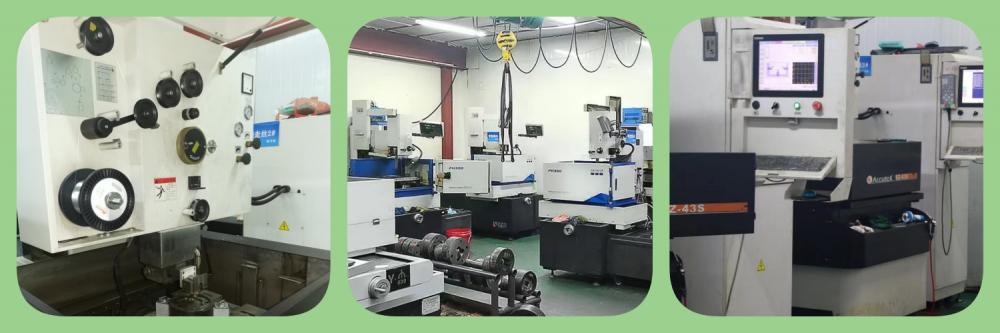
Our company mainly produces aluminum profile extrusion molds, with a complete mold design, mold programming, and professional product development team. Moreover, the mold production process is mature (including 15 production processes such as cutting, lathe, machining center, wire cutting, electric spark, heat treatment, slow wire cutting, etc.), and we have a complete team of after-sales services.
Our company has obtained many patents for mold design and processing technology, and has been awarded the title of Foshan High tech Enterprise. The monthly production capacity ranges from 5000 to 6000 sets, with main products including industrial products, radiators, solar houses, building materials, automobiles, solar energy frames, bathroom aluminum molds, etc.