

Roller shutter profile extrusion dies play a crucial role in the manufacturing process of roller shutter profiles. These dies are specifically designed to shape and form the metal or plastic material into the desired profile for roller shutters. The extrusion process involves forcing the material through the die to create a continuous profile with a uniform shape and size.
Roller shutters are commonly used in residential, commercial, and industrial buildings for security, privacy, and insulation purposes. The profile of the roller shutter is a key factor in its performance and functionality. Therefore, the role of roller shutter profile extrusion dies is of utmost importance in ensuring the production of high-quality and precise profiles.
The development trends in roller shutter profile extrusion dies have focused on improving efficiency, precision, and versatility in the manufacturing process. One of the key trends is the use of advanced materials for the dies, such as high-strength steel alloys or ceramic materials. These materials offer enhanced durability, heat resistance, and longevity, allowing for a more reliable and consistent production of roller shutter profiles.
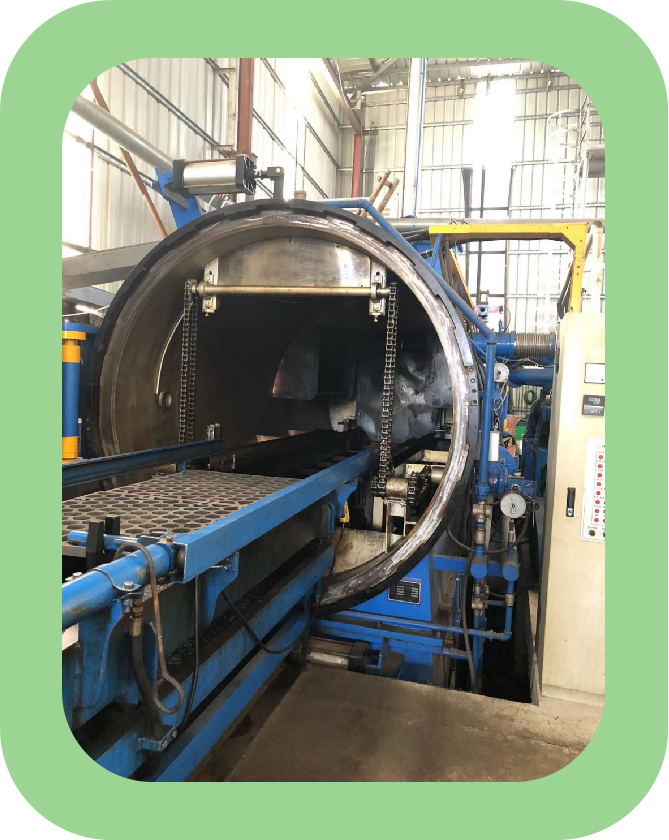
Another trend in roller shutter profile extrusion dies is the incorporation of innovative design features. For example, adjustable profiles or interchangeable components can be used to easily switch between different roller shutter designs or adjust the profile according to specific customer requirements. This flexibility in design allows manufacturers to cater to a wide range of applications and customer preferences without the need for multiple sets of dies.
Furthermore, automation and digitalization have become prominent trends in the development of roller shutter profile extrusion dies. Automated systems can now control the extrusion process with greater precision and efficiency, reducing the risk of human error and increasing productivity. Additionally, digital technologies such as sensors and data analytics enable manufacturers to gather real-time data on the production process, allowing for better monitoring and optimization of the extrusion dies.
Overall, roller shutter profile extrusion dies play a vital role in the manufacturing of roller shutter profiles. The development trends in this field aim to improve performance, quality, and flexibility in the production process. By incorporating advanced materials, innovative design features, and automation technology, manufacturers can achieve higher efficiency, lower production costs, and greater customization options for roller shutters. As the industry continues to evolve, we can expect further advancements in the design and functionality of roller shutter profile extrusion dies to meet the changing demands of the market.
2. Structure and composition
2. Structure and composition
Roller shutter profile extrusion dies are a critical component in the manufacturing process of roller shutter profiles. These dies are specifically designed to shape and form the metal or plastic material into the desired profile for roller shutters. The structure and composition of these dies play a significant role in ensuring the accuracy, consistency, and quality of the final product.
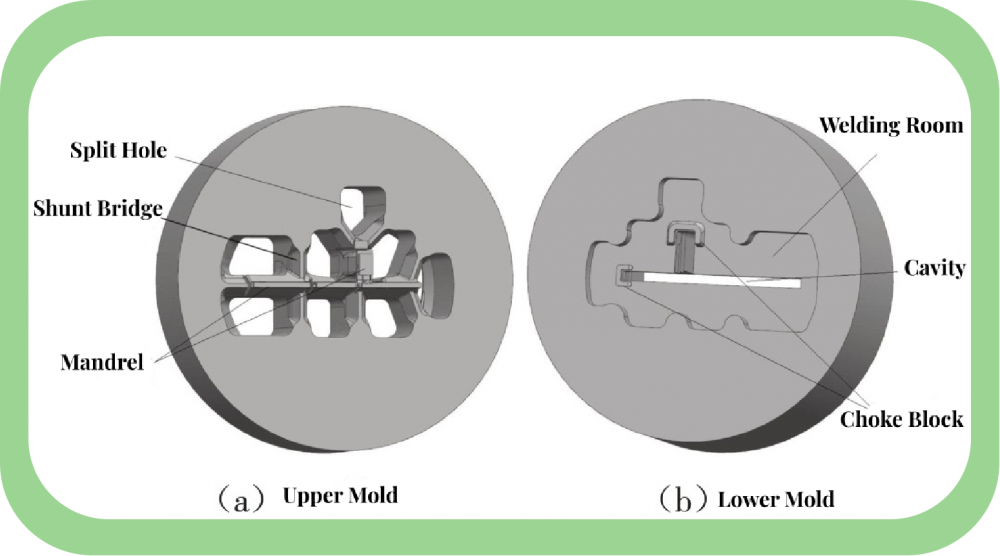
The structure of roller shutter profile extrusion dies typically consists of several components. The main part is the die body, which provides the structural support and houses the other components. It is usually made of high-strength steel or other durable materials to withstand the high temperatures and pressures involved in the extrusion process. The die body is precision-machined to ensure proper alignment and accuracy.
Inside the die body, there are various elements that determine the shape and dimensions of the roller shutter profile. These include the mandrel, which is responsible for forming the central cavity of the profile, the die ring, which helps shape the outer surface, and the supporting elements such as guide pins and support blocks. The composition of these components is often made of hardened steel or other wear-resistant materials to withstand the constant friction and pressure during the extrusion process.
In addition to the main components, roller shutter profile extrusion dies may also feature adjustable or interchangeable elements. These allow for easy customization and flexibility in producing different profile designs or adjusting the dimensions according to specific customer requirements. For example, interchangeable mandrels or die rings can be used to create profiles with varying widths or shapes. This adaptability in design offers manufacturers the ability to cater to a wide range of applications and customer preferences without the need for multiple sets of dies.
Furthermore, modern roller shutter profile extrusion dies often incorporate advanced technologies to improve efficiency and precision. Computer-aided design (CAD) software is commonly used to create complex profile shapes with greater accuracy. Automation systems can control the extrusion process, ensuring consistent and precise profiles while reducing the risk of human error. Sensors and data analytics can provide real-time data on the production process, allowing for better monitoring and optimization of the extrusion dies.
In conclusion, roller shutter profile extrusion dies are essential tools in the manufacturing process of roller shutter profiles. The structure and composition of these dies, along with the incorporation of advanced technologies, play a vital role in ensuring the production of high-quality and precise profiles. As the industry continues to evolve, we can expect further advancements in the design and functionality of roller shutter profile extrusion dies to meet the changing demands of the market.
3. Manufacturing process
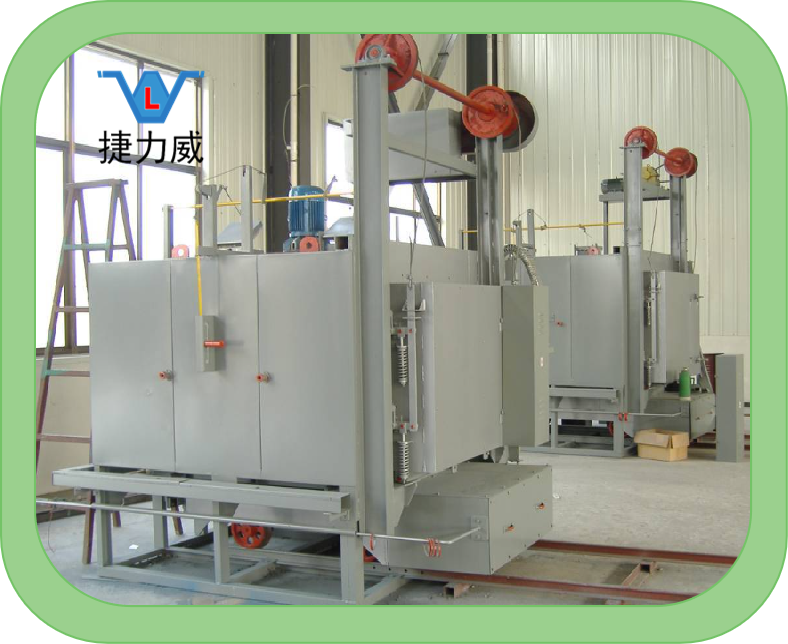
3. Manufacturing process
Roller Shutter Profile Extrusion Dies are critical components in the manufacturing process of roller shutter profiles, which are commonly used in doors, windows, cabinets, and other applications for security and privacy purposes. These extrusion dies play a crucial role in shaping the aluminum or PVC materials into the desired profile with precision and consistency.
The manufacturing process of Roller Shutter Profile Extrusion Dies involves several steps to ensure the quality and functionality of the final product. The first step is the design phase, where engineers and designers create CAD models of the die based on the specifications provided by the customer. This includes determining the dimensions, shapes, and tolerances required for the roller shutter profile.
Once the design is finalized, the next step is the fabrication of the die itself. This involves using high-quality materials such as tool steel or carbide to create the die components. The materials used are selected for their hardness, wear resistance, and thermal conductivity to withstand the high temperatures and pressures involved in the extrusion process.
After the components are fabricated, they are assembled and precision machined to ensure tight tolerances and smooth surfaces. This is crucial for the extrusion process to produce profiles with consistent dimensions and surface finishes. The assembled die is then tested to ensure it meets the customer's specifications and performance requirements.
In the extrusion process, the roller shutter profile material, such as aluminum or PVC, is heated and forced through the extrusion die using a hydraulic press. The die shapes the material into the desired profile as it passes through, cooling and solidifying the material into its final form. The extruded profiles are then cut to the required lengths and finished according to the customer's specifications.
Overall, Roller Shutter Profile Extrusion Dies are essential tools in the manufacturing process of roller shutter profiles, enabling manufacturers to produce high-quality and uniform products for various applications. The precision design and fabrication of these dies ensure the efficiency and reliability of the extrusion process, resulting in durable and functional roller shutter profiles that meet the needs of customers.
4. Use and maintenance, and common troubleshooting methods
4. Use and maintenance, and common troubleshooting methods
Roller Shutter Profile Extrusion Dies are essential tools in the manufacturing process of roller shutter profiles. These dies are designed to shape aluminum or PVC materials into the desired profile with precision and consistency. In order to maximize their effectiveness and lifespan, proper use and maintenance of these extrusion dies is crucial.
Firstly, it is important to ensure that the extrusion machine is properly calibrated and set up before using the roller shutter profile extrusion dies. This includes adjusting the temperature, pressure, and speed settings to meet the requirements of the specific material being used. Following the manufacturer's instructions and guidelines for the extrusion machine is essential to ensure optimal performance and prevent damage to the dies.
During the extrusion process, it is important to regularly monitor the condition of the dies. Any signs of wear or damage should be addressed immediately to prevent further deterioration and maintain the quality of the profile being produced. Regular cleaning and lubrication of the dies are also necessary to remove any accumulated debris or residue that can affect the extrusion process.
Additionally, proper storage of the roller shutter profile extrusion dies is important to prevent damage and ensure their longevity. The dies should be stored in a clean and dry environment, away from any corrosive substances or excessive heat. Proper handling during installation and removal is also important to prevent any accidental damage to the dies.
In the event of any issues or problems with the roller shutter profile extrusion dies, troubleshooting methods can be employed to identify and resolve the problem. Common troubleshooting methods include checking for any blockages in the die, adjusting the temperature and pressure settings, and inspecting the condition of the material feed system. If these methods do not solve the issue, it may be necessary to consult the manufacturer or a professional technician for further assistance.
In conclusion, the use and maintenance of roller shutter profile extrusion dies are essential for achieving high-quality and consistent profiles. Proper calibration of the extrusion machine, regular inspection and cleaning of the dies, and appropriate storage are important steps to ensure the effectiveness and longevity of these dies. By following these guidelines and employing troubleshooting methods when necessary, manufacturers can optimize the performance of their roller shutter profile extrusion dies and produce superior products.
5. Application areas
5. Application areas
Roller Shutter Profile Extrusion Dies are widely used in various industries and applications. Their versatility and functionality make them suitable for a range of different areas. Below are some of the key application areas where Roller Shutter Profile Extrusion Dies are commonly utilized:
Construction Industry: Roller shutters are commonly used in the construction industry for doors, windows, and partitions. Roller Shutter Profile Extrusion Dies are instrumental in shaping the aluminum or PVC materials into the specially designed profiles required for these applications. They ensure the profiles are accurately formed, enabling smooth operation and enhanced security.
Residential Buildings: Roller shutters are popular in residential buildings for their privacy and security features. These shutters can be seen on doors, windows, balconies, and garages. Roller Shutter Profile Extrusion Dies play a crucial role in the production of these shutters, ensuring precise and consistent profiles that meet the specific requirements of residential applications.
Commercial Buildings: Roller shutters are widely used in commercial buildings, including shops, warehouses, and factories. Roller Shutter Profile Extrusion Dies enable the production of high-quality shutters that offer security, insulation, and noise reduction. They ensure that the profiles are durable, lightweight, and capable of withstanding heavy usage in commercial environments.
Automotive Industry: Roller shutters are also utilized in the automotive industry, specifically for vans, trucks, and commercial vehicles. These shutters provide easy access to the rear cargo area and enhance the security of the vehicle. Roller Shutter Profile Extrusion Dies are used to create customized profiles that meet the specific requirements of the automotive industry.
Retail Industry: Roller shutters are commonly used in the retail sector, particularly in shopping centers, stores, and kiosks. These shutters provide security during non-operational hours and can be customized to match the store's aesthetics. Roller Shutter Profile Extrusion Dies are essential in producing profiles that meet the specific design and functional requirements of the retail industry.
Industrial Applications: Roller shutters are also employed in various industrial applications, such as warehouses, factories, and production facilities. These shutters help control access, provide security, and protect against environmental factors. Roller Shutter Profile Extrusion Dies enable the production of robust profiles that can withstand harsh industrial environments.
In summary, Roller Shutter Profile Extrusion Dies find extensive application in the construction, residential, commercial, automotive, retail, and industrial sectors. Their ability to shape materials into precise profiles ensures the production of high-quality roller shutters that offer security, functionality, and aesthetic appeal in various applications.
6. Development trends
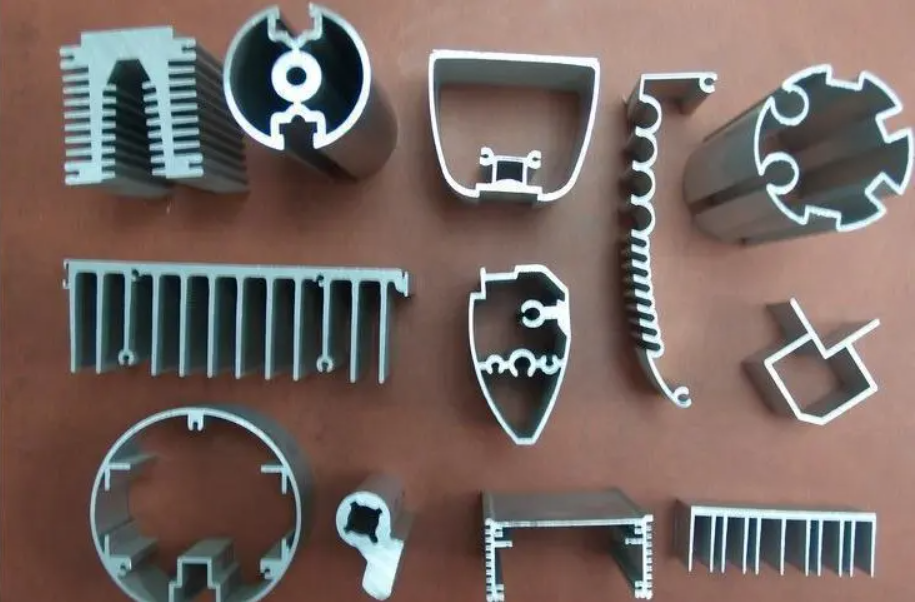
Roller Shutter Profile Extrusion Dies have been continuously evolving and adapting to meet the changing demands and trends in the industry. Below are some of the development trends in Roller Shutter Profile Extrusion Dies:
Advanced Design and Technology: With advancements in computer-aided design (CAD) and simulation software, Roller Shutter Profile Extrusion Dies are being designed with increased precision and efficiency. The use of 3D modeling and virtual prototyping allows for better optimization of die designs, resulting in improved profile quality and reduced production costs.
Customization and Flexibility: As the market demands more customized solutions, Roller Shutter Profile Extrusion Dies are being developed to accommodate a wider range of profile designs and sizes. Manufacturers are investing in flexible die systems that can be easily adjusted or modified to produce different profiles, allowing for greater versatility and customization options.
Enhanced Durability and Longevity: Roller Shutter Profile Extrusion Dies are being manufactured using high-quality materials and advanced heat treatment processes to enhance their durability and longevity. This ensures that the dies can withstand the high temperatures, pressures, and abrasive nature of the extrusion process, leading to longer die life and reduced downtime for maintenance and replacements.
Automation and Industry 4.0 Integration: Automation and digitization are becoming increasingly prevalent in the manufacturing industry, and Roller Shutter Profile Extrusion Dies are no exception. Manufacturers are incorporating automation technologies such as robotic die handling, real-time monitoring systems, and data analytics to optimize the extrusion process, improve productivity, and reduce human error.
Sustainability and Energy Efficiency: With growing concerns about environmental impact, Roller Shutter Profile Extrusion Dies are being designed with sustainability in mind. Manufacturers are exploring ways to reduce waste, improve energy efficiency, and incorporate recyclable materials into the die construction. This not only aligns with environmental goals but also helps companies meet regulatory requirements and customer expectations.
Integration of Smart Features: Roller Shutter Profile Extrusion Dies are being equipped with smart features such as sensors, actuators, and control systems to enhance operation, monitoring, and maintenance. These smart features allow for real-time feedback and adjustment, predictive maintenance, and remote monitoring, improving overall efficiency and reducing downtime.
In conclusion, Roller Shutter Profile Extrusion Dies are continuously evolving to meet the demands of the industry. The development trends mentioned above highlight the focus on advanced design, customization, durability, automation, sustainability, and smart features. By staying abreast of these trends, manufacturers can ensure that their Roller Shutter Profile Extrusion Dies remain competitive and meet the evolving needs of customers.
Foshan Jieliwei Metal Products Co., Ltd., formerly known as Jieliwei Hardware Processing Factory, was established in October 2006 and upgraded to Foshan Jieliwei Metal Products Co., Ltd. in 2020. The company is located in Sanshui District, Foshan City, Guangdong Province, covering an area of 7000 square meters and employing 200 people.
Our company mainly produces aluminum profile extrusion molds, with a complete mold design, mold programming, and professional product development team. Moreover, the mold production process is mature (including 15 production processes such as cutting, lathe, machining center, wire cutting, electric spark, heat treatment, slow wire cutting, etc.), and we have a complete team of after-sales services.Product Categories:Architectural Aluminum Profile extrusion Dies,Thermal Break Windows Extrusion Dies,Casement Window Profile Extrusion Dies,Curtain Wall Profile Extrusion Dies,Lighting Aluminium Profile Extrusion Dies,Staircase Handrail Profile Extrusion Dies,Photovoltaic Aluminium Profile Extrusion Dies.
Our company has obtained many patents for mold design and processing technology, and has been awarded the title of Foshan High tech Enterprise. The monthly production capacity ranges from 5000 to 6000 sets, with main products including industrial products, radiators, solar houses, building materials, automobiles, solar energy frames, bathroom aluminum molds, etc.