

Staircase handrail profile extrusion dies are crucial tools used in the manufacturing of high-quality and durable staircase handrails. These dies play a critical role in shaping and forming the handrail profiles, ensuring that they meet the exact specifications required for their intended use. In this section, we will discuss the role and importance of staircase handrail profile extrusion dies.
Role:
Staircase handrail profile extrusion dies are used to shape and form the handrail profiles, which are then used to create durable and attractive handrails for residential and commercial buildings. These dies are designed to create highly precise and intricate shapes, enabling manufacturers to produce a wide range of handrail designs and styles. The dies are typically made from high-quality materials, such as tungsten carbide, which is known for its strength, durability, and resistance to wear and tear.
Importance:
Staircase handrail profile extrusion dies are essential tools in the manufacturing process, as they enable manufacturers to produce high-quality, precision handrail profiles that meet the exact specifications required for their intended use. The dies are critical in ensuring that the handrail profiles are strong, durable, and able to withstand the wear and tear of daily use. The use of high-quality materials in the manufacturing of these dies ensures that they are capable of withstanding the high temperatures and pressures involved in the extrusion process, while maintaining their shape and precision.
Staircase handrail profile extrusion dies are also important in terms of their impact on the overall design and aesthetics of the handrails. The dies enable manufacturers to create a wide range of intricate and unique shapes and designs, giving architects and designers a greater degree of flexibility and creativity when designing handrails for their projects. This flexibility and creativity help to create visually stunning and unique handrails that add to the overall beauty and appeal of a building.
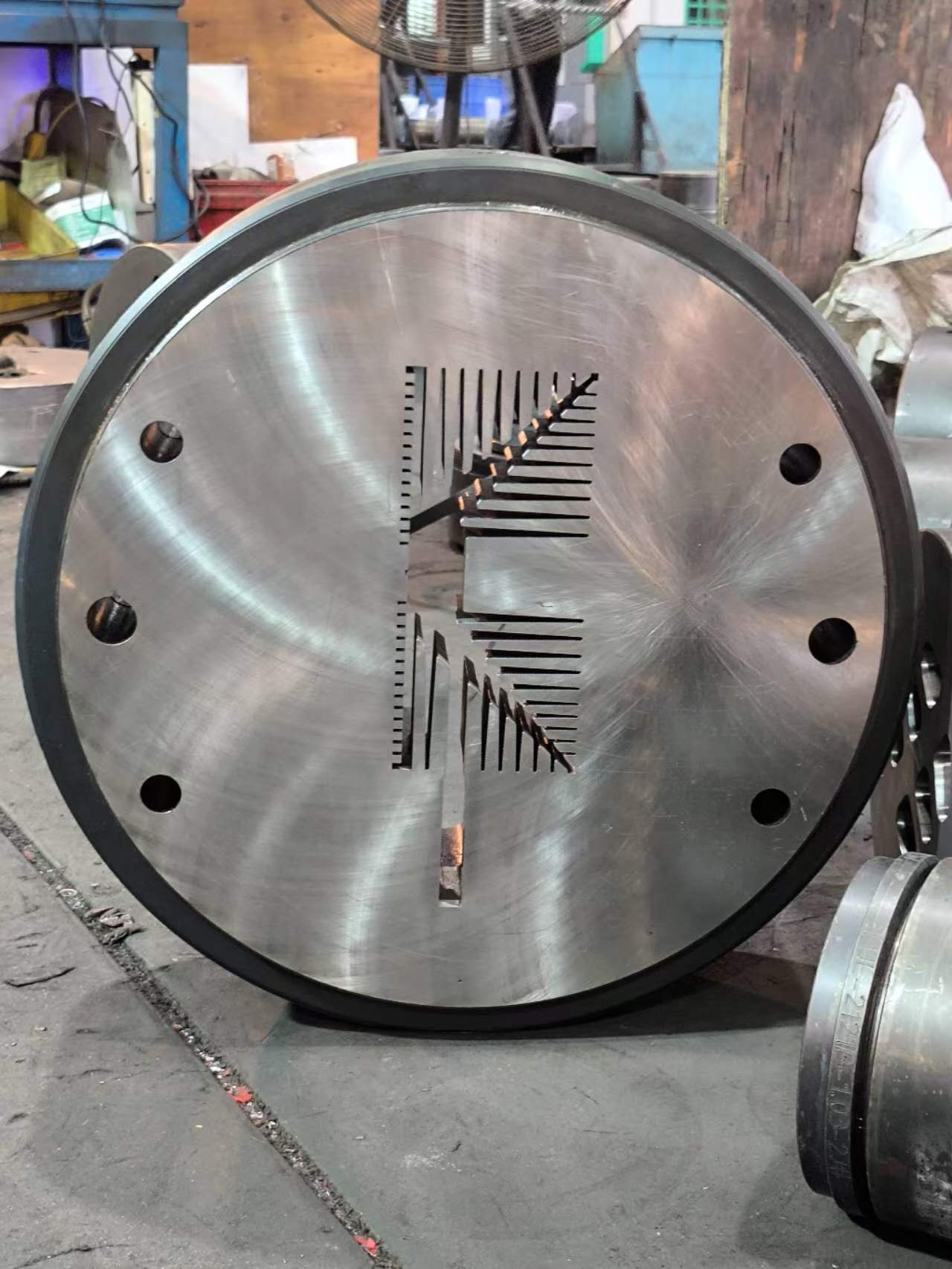
In conclusion, staircase handrail profile extrusion dies play a critical role in the manufacturing of high-quality and durable staircase handrails. They are essential tools that enable manufacturers to produce precision handrail profiles that meet exact specifications, while also enabling architects and designers to be more creative and flexible in their designs. By using high-quality materials and advanced manufacturing techniques, manufacturers can ensure that their staircase handrail profile extrusion dies are capable of producing high-quality, visually stunning handrails that are built to last.
2. Structure and composition
2. Structure and composition
Staircase Handrail Profile Extrusion Dies are used in the production of high-quality handrails for staircases. These dies are specially designed to shape the aluminum or PVC material into a desired profile that meets the specific requirements of the staircase. The handrail profile extrusion process is a cost-effective and efficient way to produce high volumes of handrails with consistent quality.
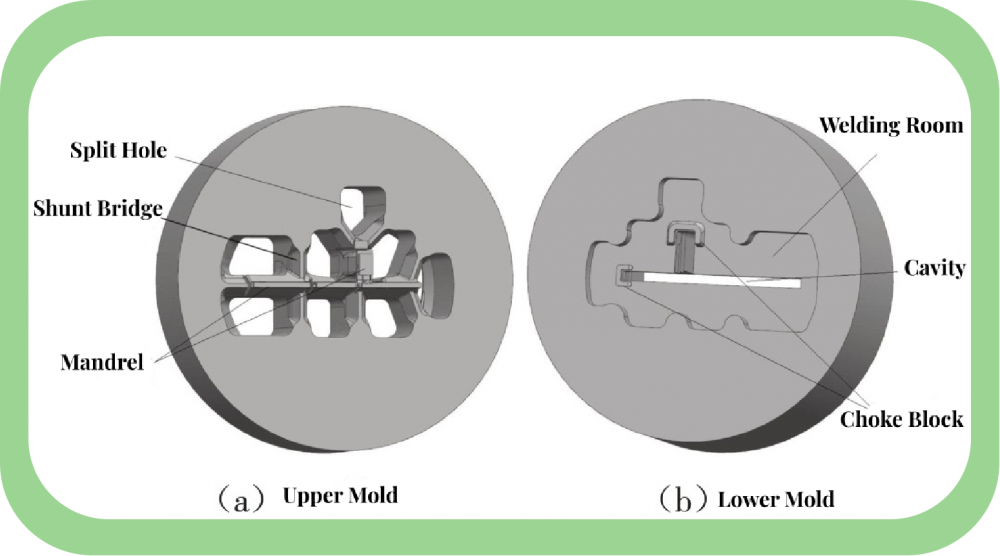
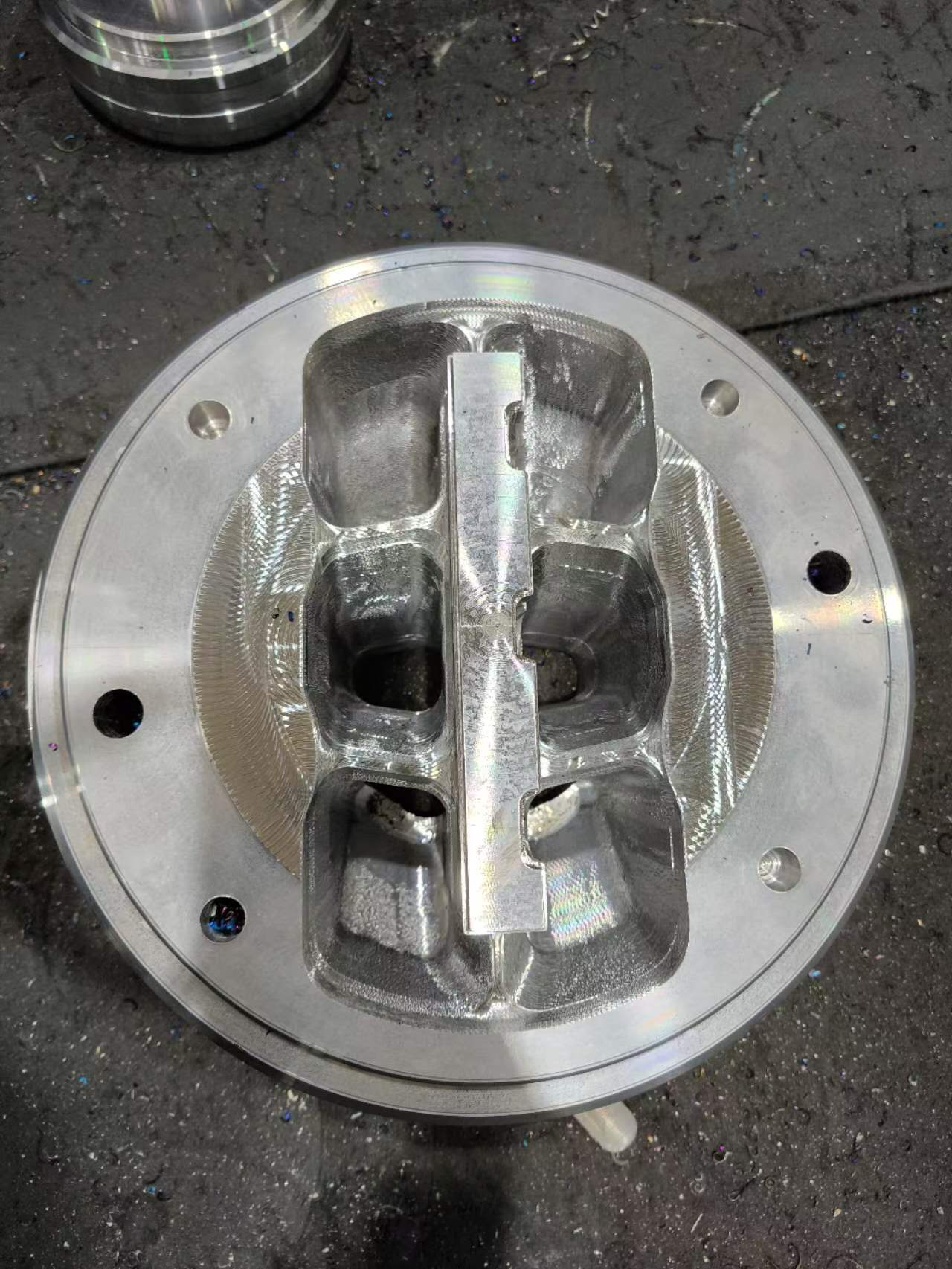
The structure of Staircase Handrail Profile Extrusion Dies includes several key components. The die body is made of high-quality steel and is designed to withstand the high pressures and temperatures of the extrusion process. The die body is also equipped with various channels and cavities that facilitate the flow of the molten material through the die. Other key components of the die include the die head, the mandrel, and the cooling system.
The die head is the component of the Staircase Handrail Profile Extrusion Dies that shapes the material into a desired profile. The die head is typically made of hardened steel and is designed to withstand the high pressures and temperatures of the extrusion process. The mandrel is another key component of the die, and it is used to shape the material around the die head. The mandrel is often made of aluminum or steel and is designed to be easily adjusted to accommodate different profiles.
The cooling system is an important component of Staircase Handrail Profile Extrusion Dies because it helps to ensure that the material is cooled quickly and evenly after it is extruded from the die. The cooling system is typically made up of water or air channels that run through the die body and the mandrel. The cooling system is designed to maintain a constant temperature throughout the extrusion process, which helps to prevent warping and other defects in the final product.
The composition of Staircase Handrail Profile Extrusion Dies is critical to their performance and longevity. The material used to make the dies must be able to withstand the high pressures, temperatures, and stresses of the extrusion process without deforming or breaking. Common materials used to make Staircase Handrail Profile Extrusion Dies include hardened steel, tungsten carbide, and ceramic.
In conclusion, Staircase Handrail Profile Extrusion Dies are an essential component in the production of high-quality handrails for staircases. Their structure and composition are carefully designed to withstand the high pressures and temperatures of the extrusion process while providing consistent quality and performance. With proper maintenance and care, Staircase Handrail Profile Extrusion Dies can provide many years of reliable service and cost-effective production.
3. Manufacturing process
3. Manufacturing process
Staircase Handrail Profile Extrusion Dies are an essential tool used in the manufacturing process of high-quality handrails for staircases. The dies are designed to shape and extrude materials such as aluminum or PVC into the desired profile for handrails used in staircases. The manufacturing process of Staircase Handrail Profile Extrusion Dies involves precision engineering and craftsmanship to ensure the production of high-quality handrails that meet safety standards and aesthetic requirements.
The manufacturing process of Staircase Handrail Profile Extrusion Dies begins with the design phase, where engineers and designers work together to create detailed blueprints and specifications for the dies. These blueprints take into account the specific dimensions, profiles, and features required for the handrails to be produced. The design phase also involves considering factors such as material compatibility, die longevity, and ease of maintenance.
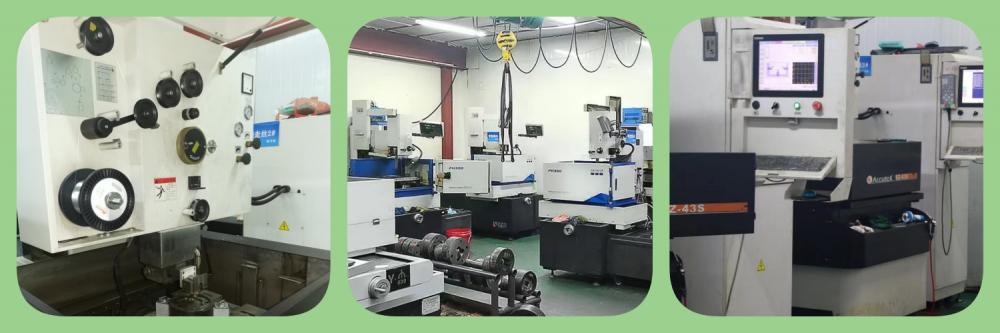
Once the design phase is complete, the fabrication of the Staircase Handrail Profile Extrusion Dies begins. Skilled machinists and toolmakers use precision machining equipment such as CNC mills and lathes to carefully craft the components of the dies. Materials such as hardened steel, tungsten carbide, or ceramic are selected based on their durability and resistance to the high pressures and temperatures of the extrusion process.
The assembly of the Staircase Handrail Profile Extrusion Dies is a meticulous process that requires attention to detail and expertise. The various components of the dies, including the die body, die head, mandrel, and cooling system, are carefully assembled to ensure proper alignment and functionality. Each component is inspected and tested to ensure that the dies will perform optimally during the extrusion process.
Quality control is a critical aspect of the manufacturing process for Staircase Handrail Profile Extrusion Dies. Inspections are conducted at multiple stages of production to verify the accuracy of dimensions, the quality of materials, and the functionality of the dies. Any deviations from the specifications are identified and corrected to ensure that the dies meet the required standards.
In conclusion, the manufacturing process of Staircase Handrail Profile Extrusion Dies is a sophisticated and intricate process that involves design, fabrication, assembly, and quality control. These dies are integral to the production of high-quality handrails for staircases, and their precision engineering ensures that the handrails meet safety regulations and aesthetic standards. By investing in well-designed and properly manufactured Staircase Handrail Profile Extrusion Dies, manufacturers can achieve efficient production processes and produce handrails that enhance the beauty and safety of staircases.
4. Use and maintenance, and common troubleshooting methods
4. Use and maintenance, and common troubleshooting methods
Staircase Handrail Profile Extrusion Dies are essential tools used in the manufacturing of staircase handrail profiles. These dies are designed to shape and form metal or plastic materials into precise profiles that are used in staircase handrails. The process of extrusion involves forcing the material through a die to produce a continuous profile with a consistent cross-section.
The Staircase Handrail Profile Extrusion Dies consist of a die body, which contains the cavity for shaping the material, and a mandrel or core that helps to define the inner shape of the profile. These dies are typically made from high-quality tool steel or carbide materials to ensure durability and precision in the extrusion process.
To use the Staircase Handrail Profile Extrusion Dies, the die is mounted onto an extrusion machine, which forces the material through the die cavity under high pressure and temperature. The material is then cooled and solidified to form the desired profile. The extrusion process allows for the production of complex and intricate designs with high dimensional accuracy.
Maintenance of the Staircase Handrail Profile Extrusion Dies is crucial to ensure optimal performance and longevity. Regular cleaning and inspection of the die cavity are necessary to prevent buildup of material residues that can affect the quality of the extruded profiles. Additionally, proper lubrication and cooling of the die components help to reduce wear and extend the lifespan of the dies.
Common troubleshooting methods for Staircase Handrail Profile Extrusion Dies include adjusting the temperature and pressure settings of the extrusion machine to achieve the desired profile dimensions. If there are defects or imperfections in the extruded profiles, the die may need to be reconditioned or replaced to ensure consistent quality.
In conclusion, Staircase Handrail Profile Extrusion Dies play a vital role in the manufacturing of staircase handrail profiles by shaping materials into precise profiles with high accuracy and consistency. Proper use, maintenance, and troubleshooting of these dies are essential for achieving optimal results in the extrusion process.
5. Application areas
5. Application areas
Staircase Handrail Profile Extrusion Dies are versatile tools that find application in various industries and sectors. Here are some of the key areas in which these dies are commonly used:
Construction Industry: Staircase handrails are an integral part of any building or structure, providing safety and support to individuals while navigating stairs. The construction industry extensively uses Staircase Handrail Profile Extrusion Dies to produce handrail profiles of different shapes, sizes, and materials. These dies enable the production of aesthetically pleasing and durable handrails that meet safety regulations.
Architectural Design: Staircase handrails play a crucial role in enhancing the aesthetics of a building. With Staircase Handrail Profile Extrusion Dies, architects and designers have the flexibility to create unique and customized handrail profiles that complement the overall architectural design. These dies allow for the production of intricate patterns, textures, and designs that add visual appeal to staircases.
Interior Design and Furniture: Staircase handrails are not limited to just commercial or industrial buildings. They also find application in residential spaces and furniture design. Staircase Handrail Profile Extrusion Dies enable the production of handrail profiles for interior staircases, balconies, and even furniture pieces like chairs and tables. These dies facilitate the creation of functional and stylish handrails that enhance the overall interior design of homes and offices.
Transportation Industry: Staircase Handrail Profile Extrusion Dies are also utilized in the transportation sector. They are commonly used in the production of handrail profiles for buses, trains, tramways, and other public transportation systems. These dies help create durable and ergonomic handrails that ensure passenger safety and comfort during transportation.
Commercial and Public Spaces: Staircase Handrail Profile Extrusion Dies are essential for the construction of handrail profiles in various commercial and public spaces. Shopping malls, airports, stadiums, hospitals, and educational institutions are some examples where these dies are used to produce handrails that can withstand heavy foot traffic and ensure the safety of users.
Industrial Applications: Staircase Handrail Profile Extrusion Dies are also employed in various industrial applications. They are used in the production of handrails for industrial staircases and platforms in manufacturing facilities, warehouses, and plants. These dies enable the creation of sturdy and reliable handrails that can withstand harsh industrial environments.
In conclusion, Staircase Handrail Profile Extrusion Dies have wide-ranging applications in the construction, architectural, interior design, transportation, commercial, public, and industrial sectors. These dies enable the production of high-quality handrail profiles that meet safety standards, enhance aesthetics, and provide durability. The versatility and flexibility of Staircase Handrail Profile Extrusion Dies make them an essential tool in multiple industries.
6. Development trends
6. Development trends
Staircase handrail profile extrusion dies are an essential tool in the manufacturing process of staircase handrails. These dies are designed to shape and form the metal or plastic material into the desired profile for the handrail. The extrusion process involves forcing the material through the die to create a continuous profile with a uniform shape and size.
In recent years, there have been several development trends in staircase handrail profile extrusion dies to improve efficiency, quality, and versatility in the manufacturing process. One of the key trends is the use of advanced materials for the dies, such as high-strength steel alloys or ceramic materials, to enhance durability and prolong the lifespan of the dies. These materials are able to withstand the high temperatures and pressures involved in the extrusion process, resulting in a more reliable and consistent production of handrail profiles.
Another trend in staircase handrail profile extrusion dies is the incorporation of innovative design features, such as adjustable profiles or interchangeable components. This allows manufacturers to easily switch between different handrail designs or adjust the profile according to specific customer requirements without the need for multiple sets of dies. Additionally, the use of computer-aided design (CAD) software has enabled more precise and complex profiles to be created, resulting in a greater variety of design options for staircase handrails.
Furthermore, automation and digitalization have become prominent trends in the development of staircase handrail profile extrusion dies. Automated systems can now control the extrusion process with greater precision and efficiency, reducing the risk of human error and increasing productivity. Additionally, digital technologies such as sensors and data analytics enable manufacturers to gather real-time data on the production process, allowing for better monitoring and optimization of the extrusion dies.
Overall, the development trends in staircase handrail profile extrusion dies are focused on improving performance, quality, and flexibility in the manufacturing process. By incorporating advanced materials, innovative design features, and automation technology, manufacturers can achieve higher efficiency, lower production costs, and greater customization options for staircase handrails. As the industry continues to evolve, we can expect further advancements in the design and functionality of staircase handrail profile extrusion dies to meet the changing demands of the market.
Foshan Jieliwei Metal Products Co., Ltd., formerly known as Jieliwei Hardware Processing Factory, was established in October 2006 and upgraded to Foshan Jieliwei Metal Products Co., Ltd. in 2020. The company is located in Sanshui District, Foshan City, Guangdong Province, covering an area of 7000 square meters and employing 200 people.
Our company mainly produces aluminum profile extrusion molds, with a complete mold design, mold programming, and professional product development team. Moreover, the mold production process is mature (including 15 production processes such as cutting, lathe, machining center, wire cutting, electric spark, heat treatment, slow wire cutting, etc.), and we have a complete team of after-sales services.Product Categories:Architectural Aluminum Profile extrusion Dies,Thermal Break Windows Extrusion Dies,Casement Window Profile Extrusion Dies,Curtain Wall Profile Extrusion Dies,Lighting Aluminium Profile Extrusion Dies,Staircase Handrail Profile Extrusion Dies,Photovoltaic Aluminium Profile Extrusion Dies.
Our company has obtained many patents for mold design and processing technology, and has been awarded the title of Foshan High tech Enterprise. The monthly production capacity ranges from 5000 to 6000 sets, with main products including industrial products, radiators, solar houses, building materials, automobiles, solar energy frames, bathroom aluminum molds, etc.