
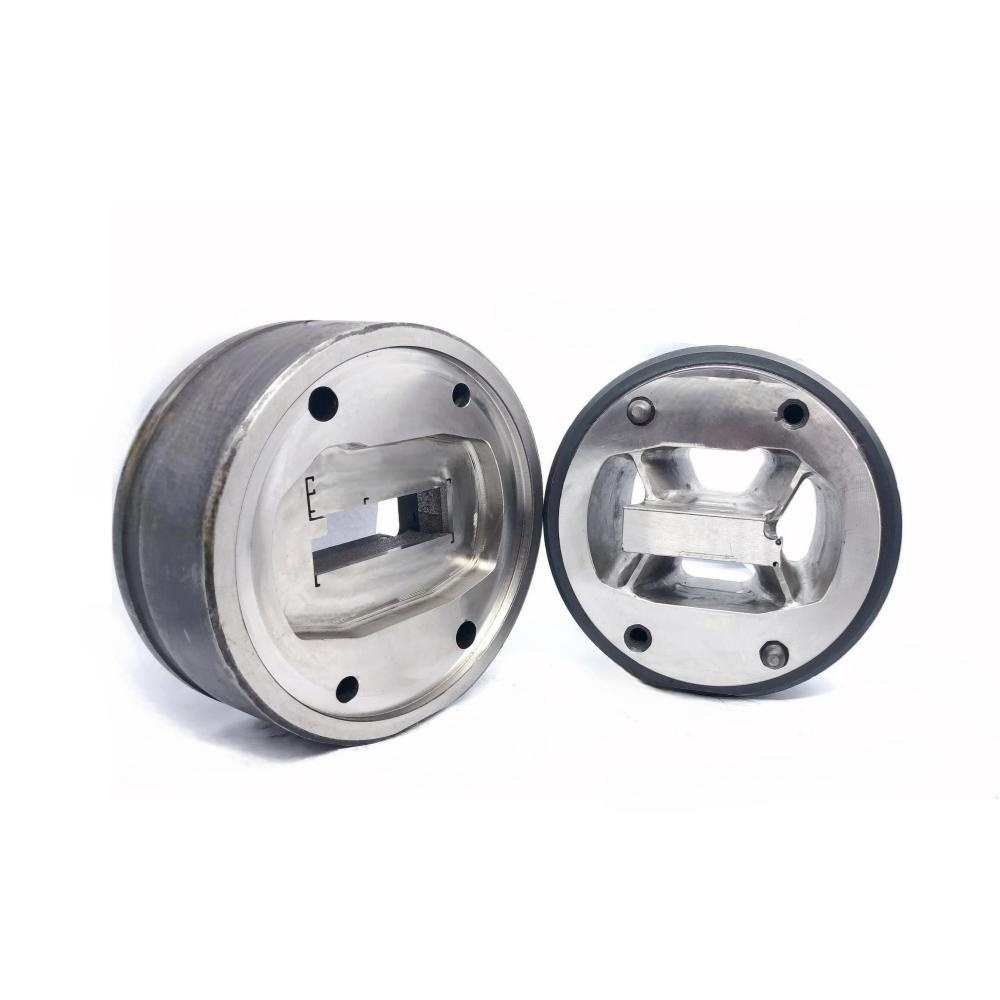
Lighting aluminium profile extrusion dies play a critical role in the production of high-quality, precision lighting fixtures. These specialized tools are used to shape and form aluminium profiles for various types of lighting applications, including LED lighting, fluorescent lighting, and incandescent lighting.
The role of lighting aluminium profile extrusion dies is to create the precise shape, size, and finish required for each lighting application. These dies are typically made from high-strength steel and are heat-treated to withstand the high pressures and temperatures involved in the extrusion process. They are designed to produce profiles with intricate geometries, complex cross-sections, and precise tolerances.
The importance of lighting aluminium profile extrusion dies cannot be overstated. These dies are essential to achieving the desired shape, size, and finish of each aluminium profile, which directly impacts the quality and performance of the final lighting fixture. Furthermore, the use of high-quality dies ensures consistency in the production process, leading to a uniformity of products and improved quality control. This, in turn, leads to greater customer satisfaction and increased sales in the lighting industry.
Trends in development
In recent years, there have been several trends in the development of lighting aluminium profile extrusion dies. One of the most significant trends is the use of computer-aided design (CAD) and computer-aided manufacturing (CAM) software to design and manufacture the dies. This technology allows for greater precision in the design process, enabling the production of more complex geometries and reducing the risk of errors.
Another trend is the use of advanced materials in the construction of the dies. For example, some manufacturers are now using materials such as tungsten carbide and ceramic to create dies that are more durable and longer-lasting. These materials can withstand the high pressures and temperatures involved in the extrusion process and can help to reduce the frequency of die replacements.
A third trend is the use of automation in the manufacturing process. Automated die manufacturing systems can help to reduce the time and cost involved in producing the dies, while also improving consistency and quality. Additionally, the use of automation can help to reduce the risk of errors and increase the safety of the production process.
Finally, there is a growing trend towards sustainability in the lighting industry, and this is also impacting the development of lighting aluminium profile extrusion dies. Many manufacturers are now using recycled materials in the production of the dies, and some are even developing dies that can be easily disassembled and recycled at the end of their service life.
In conclusion, the development of lighting aluminium profile extrusion dies is a rapidly evolving field, driven by advances in technology, materials, automation, and sustainability. These trends are helping to improve the efficiency, precision, durability, and sustainability of the extrusion process, enabling lighting manufacturers to produce high-quality, visually stunning, and environmentally friendly products.
2. Structure and composition
2. Structure and composition
Lighting aluminium profile extrusion dies are specialized tools used in the manufacturing of high-quality, precision lighting fixtures. These dies are designed to shape and form aluminium profiles for various types of lighting applications, such as LED lighting, fluorescent lighting, and incandescent lighting. The structure and composition of these dies play a critical role in the final product's quality and performance.
The primary structure of a lighting aluminium profile extrusion die is typically made from high-strength steel and designed to withstand the high pressures and temperatures involved in the extrusion process. The die is composed of several key components, including the die body, the die insert, the die holder, and the die plate.
The die body is the main component of the die and is responsible for shaping the aluminium profiles. It is typically made of high-strength steel and is designed to withstand the high pressures and temperatures involved in the extrusion process. The die body is shaped to match the desired profile shape and is typically hollow to allow for the passage of the aluminium profile.
The die insert is a critical component of the die, as it determines the precise shape and dimensions of the final aluminium profile. It is typically made of tungsten carbide, a high-strength material that is capable of withstanding the high pressures and temperatures involved in the extrusion process. The die insert is designed to fit inside the die body and is shaped to match the desired profile shape.
The die holder is responsible for holding the die insert in place within the die body. It is typically made of steel and is designed to withstand the high forces involved in the extrusion process.
The die plate is the final component of the die and is responsible for shaping the aluminium profile as it exits the die. It is typically made of steel and is designed to match the desired profile shape. The die plate is also responsible for creating the surface finish of the aluminium profile.
In addition to the main components of the die, there are other critical components that make up a lighting aluminium profile extrusion die. These components include the heating elements, which are responsible for heating the aluminium billet prior to extrusion, and the cooling system, which is responsible for cooling the extruded profile as it exits the die.
In conclusion, the structure and composition of lighting aluminium profile extrusion dies are critical to the final product's quality and performance. These specialized tools are designed to shape and form aluminium profiles for various types of lighting applications and are composed of several key components, including the die body, die insert, die holder, and die plate. These components work together to create the precise shape, size, and finish required for each lighting application, ensuring consistency and high-quality products for the lighting industry.
3. Manufacturing process
3. Manufacturing process
The manufacturing process of lighting aluminium profile extrusion dies is a complex and precise process that requires the use of advanced machinery and skilled technicians. The process typically involves several steps, including die design, material selection, die construction, and die testing.
The first step in the manufacturing process of lighting aluminium profile extrusion dies is die design. This involves the use of computer-aided design (CAD) software to create a 3D model of the die. The CAD model is used to determine the precise dimensions and shape of the die, which is critical to achieving the desired shape and finish of the final aluminium profile.
Once the die design is complete, the next step is material selection. The materials used in the construction of lighting aluminium profile extrusion dies are typically high-strength steel and tungsten carbide. These materials are chosen for their ability to withstand the high pressures and temperatures involved in the extrusion process.
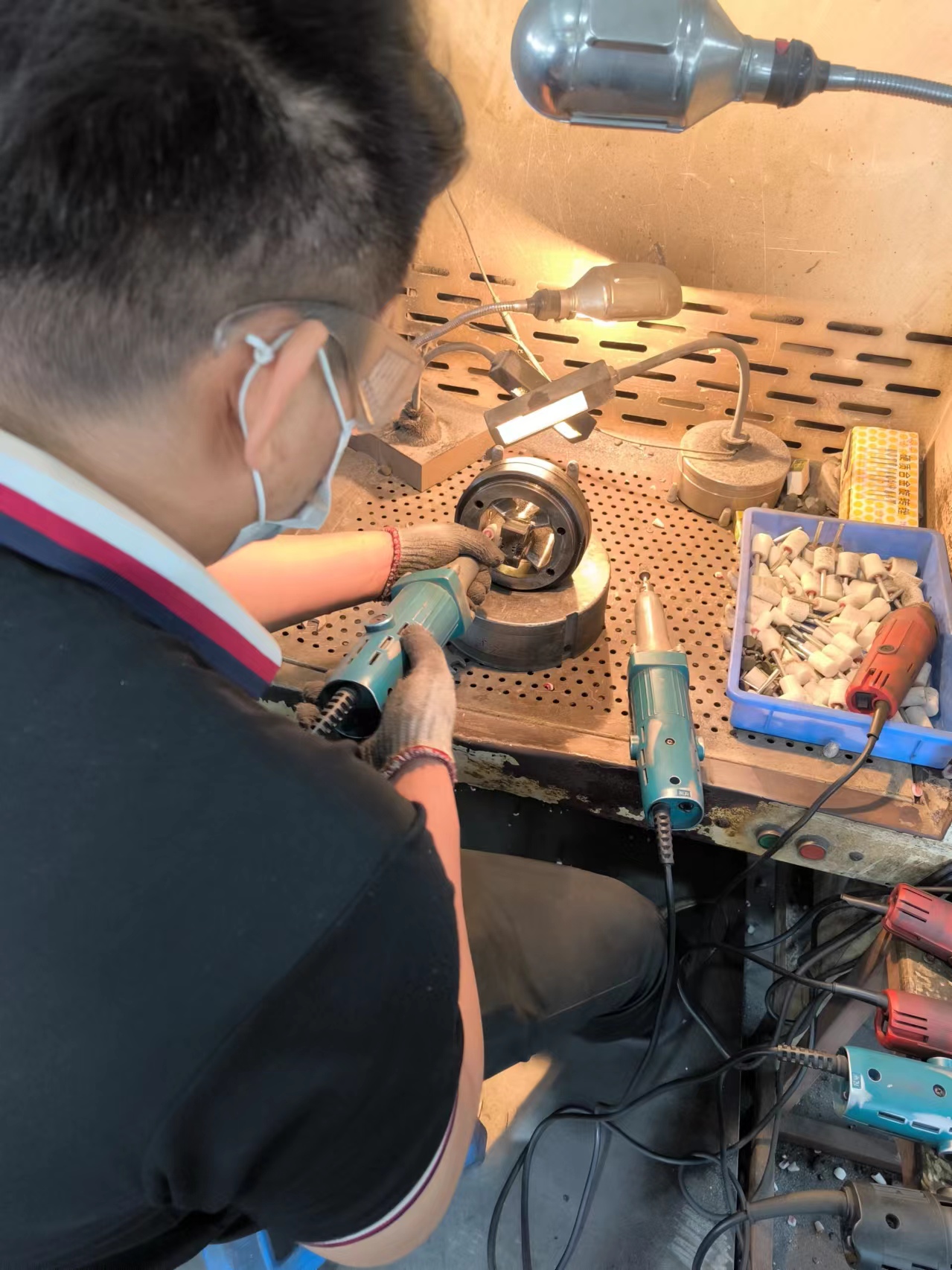
After the materials have been selected, the die construction process begins. The die is constructed using a combination of cutting, grinding, and machining techniques. The die body, die insert, die holder, and die plate are all produced separately and must be assembled together to form the complete die.
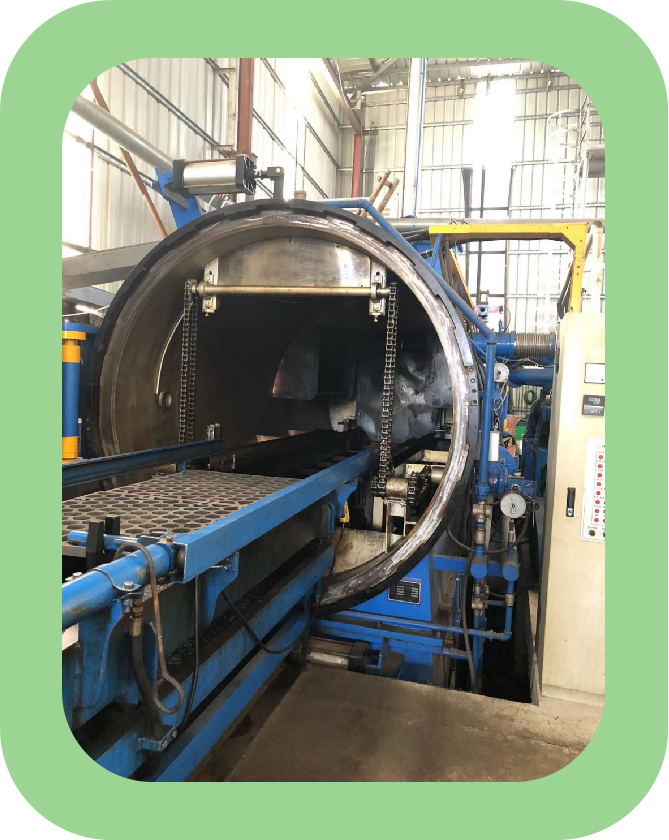
Once the die has been constructed, it undergoes a series of tests to ensure that it is functioning properly. These tests involve inserting an aluminium billet into the die and extruding it to create an aluminium profile. The profile is then measured and inspected to ensure that it meets the required dimensions and finish.
The final step in the manufacturing process of lighting aluminium profile extrusion dies is die maintenance. Dies require regular maintenance to ensure that they continue to function properly and produce high-quality aluminium profiles. This includes cleaning the die, inspecting it for wear and damage, and replacing any worn or damaged parts.
In conclusion, the manufacturing process of lighting aluminium profile extrusion dies is a complex and precise process that requires the use of advanced machinery and skilled technicians. The process involves die design, material selection, die construction, and die testing, and requires regular maintenance to ensure that the dies continue to function properly and produce high-quality aluminium profiles. By using advanced manufacturing techniques and materials, manufacturers can produce lighting aluminium profile extrusion dies that are capable of producing high-quality, visually stunning, and environmentally friendly lighting fixtures.
4. Use and maintenance, and common troubleshooting methods
4. Use and maintenance, and common troubleshooting methods
The use and maintenance of lighting aluminium profile extrusion dies are essential to ensure that they function properly and produce high-quality aluminium profiles. Proper maintenance can also help to extend the lifespan of the dies and reduce the need for costly repairs. In this section, we will discuss the use and maintenance of lighting aluminium profile extrusion dies, as well as common troubleshooting methods.
Use:
To use a lighting aluminium profile extrusion die, an aluminium billet is inserted into the die and heated to a specific temperature. The billet is then extruded through the die to create the desired shape of the aluminium profile. It is essential to ensure that the billet is heated to the correct temperature and that the extrusion process is carried out at the proper speed to prevent any damage to the die or the aluminium profile.
Maintenance:
To ensure the proper functioning of lighting aluminium profile extrusion dies, regular maintenance is necessary. The die must be kept clean and free of any debris or contaminants that could damage the die or affect the quality of the aluminium profile. Regular maintenance also includes inspecting the die for any signs of wear and tear and replacing any worn or damaged parts promptly. It is also crucial to lubricate the die regularly to reduce friction and prevent damage.
Common troubleshooting methods:
Despite regular maintenance, lighting aluminium profile extrusion dies may experience issues during use. Common troubleshooting methods include inspecting the die for any signs of damage, such as cracks or chips, and replacing any damaged parts. It is also essential to check the die's alignment to ensure that it is properly aligned with the extrusion press. If the die is not correctly aligned, this can cause the aluminium profile to have an uneven shape or finish. Finally, it is essential to monitor the extrusion process carefully and adjust the speed and temperature as necessary to prevent any damage to the die or the aluminium profile.
In conclusion, the use and maintenance of lighting aluminium profile extrusion dies are crucial to ensure that they function correctly and produce high-quality aluminium profiles. Regular maintenance, including cleaning, inspection, lubrication, and part replacement when necessary, can help to extend the dies' lifespan and reduce the need for costly repairs. Finally, understanding common troubleshooting methods can help to address any issues that may arise during the extrusion process and ensure that the final product meets the desired specifications.
5. Application areas
5. Application areas
Lighting aluminium profile extrusion dies are essential tools used in the manufacturing of high-quality, precision lighting fixtures. These dies are used in a wide range of applications and are instrumental in creating the diverse range of lighting products we see in our homes, offices, and public spaces. In this section, we will discuss the various application areas of lighting aluminium profile extrusion dies.
LED lighting: LED lighting has become increasingly popular in recent years due to its energy efficiency, long lifespan, and versatility. Lighting aluminium profile extrusion dies play a crucial role in the manufacture of LED lighting fixtures, creating the precise shapes and sizes necessary for LED strips and bulbs.
Fluorescent lighting: Fluorescent lighting is widely used in commercial and industrial settings due to its energy efficiency and long lifespan. Lighting aluminium profile extrusion dies are used to create the complex shapes and sizes necessary for fluorescent lights, including tube lights, compact fluorescent lights, and high-intensity discharge lights.
Incandescent lighting: Despite the rise of LED and fluorescent lighting, incandescent lighting remains a popular choice for many applications due to its warm, natural light. Lighting aluminium profile extrusion dies are used to create the intricate shapes and designs necessary for incandescent bulbs, including decorative bulbs and vintage-style filament bulbs.
Architectural lighting: Architectural lighting is used to highlight and accentuate the unique features of buildings, both inside and out. Lighting aluminium profile extrusion dies are used to create custom lighting fixtures that integrate seamlessly with the architectural design of a building, including linear lighting, recessed lighting, and wall washers.
Furniture lighting: Lighting is an essential component of furniture design, providing both functional and aesthetic benefits. Lighting aluminium profile extrusion dies are used to create custom lighting fixtures for furniture, including under-cabinet lighting, bookcase lighting, and shelf lighting.
In conclusion, lighting aluminium profile extrusion dies are used in a wide range of applications and play a crucial role in the manufacture of high-quality, precision lighting fixtures. These dies are used to create the complex shapes and sizes necessary for LED lighting, fluorescent lighting, incandescent lighting, architectural lighting, and furniture lighting. By using advanced manufacturing techniques and materials, manufacturers can produce lighting aluminium profile extrusion dies that are capable of producing high-quality, visually stunning, and environmentally friendly lighting fixtures for a wide range of applications.
6. Development trends
6. Development trends
The lighting industry is constantly evolving, and with it, the demand for high-quality, precision lighting fixtures. Lighting aluminium profile extrusion dies play a critical role in the manufacture of these fixtures, and as such, they too must evolve and adapt to the changing needs of the industry. In this section, we will discuss some of the emerging development trends in lighting aluminium profile extrusion dies.
Automation: The use of automation in manufacturing is increasing across all industries, and the lighting industry is no exception. The automation of lighting aluminium profile extrusion dies can increase efficiency, reduce human error, and improve the overall quality of the finished product. This trend is expected to continue as manufacturers seek to streamline their production processes.
Sustainability: As consumers become increasingly conscious of their environmental impact, there is a growing demand for sustainable lighting solutions. Lighting aluminium profile extrusion dies can play a role in this trend by using eco-friendly materials, such as recycled steel, and by optimizing the manufacturing process to reduce waste and energy consumption.
Customization: Consumers are increasingly looking for unique and personalized lighting solutions that fit their specific needs and tastes. Lighting aluminium profile extrusion dies can be customized to create unique shapes and sizes, allowing manufacturers to cater to individual customer preferences.
Miniaturization: With the rise of LED lighting, there has been a trend towards smaller and more compact lighting fixtures. Lighting aluminium profile extrusion dies must adapt to this trend by creating smaller and more intricate shapes, while still maintaining the precision and quality necessary for high-end lighting fixtures.
Advanced Materials: The use of advanced materials, such as tungsten carbide, can improve the durability and longevity of lighting aluminium profile extrusion dies. These materials can also increase the precision of the die, allowing for the creation of more intricate and complex shapes.
In conclusion, the development trends in lighting aluminium profile extrusion dies are driven by the constantly evolving needs of the lighting industry. Automation, sustainability, customization, miniaturization, and the use of advanced materials are just a few of the emerging trends that are shaping the future of these critical manufacturing tools. By staying abreast of these developments, manufacturers can ensure that their lighting aluminium profile extrusion dies remain at the forefront of the industry, producing high-quality, precision lighting fixtures that meet the needs of consumers and businesses alike.
Foshan Jieliwei Metal Products Co., Ltd., formerly known as Jieliwei Hardware Processing Factory, was established in October 2006 and upgraded to Foshan Jieliwei Metal Products Co., Ltd. in 2020. The company is located in Sanshui District, Foshan City, Guangdong Province, covering an area of 7000 square meters and employing 200 people.
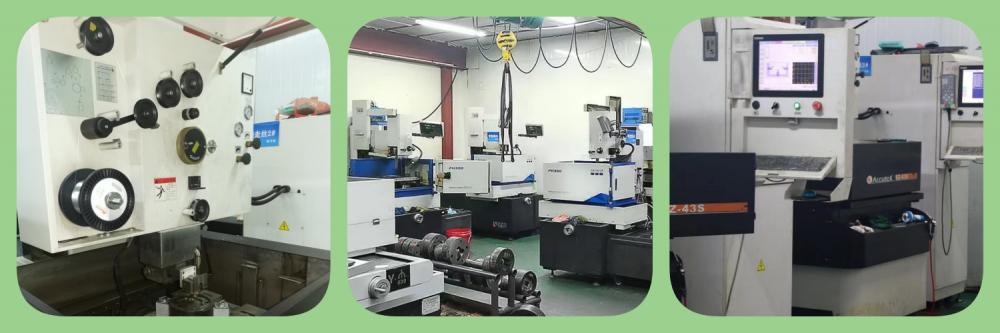
Our company mainly produces aluminum profile extrusion molds, with a complete mold design, mold programming, and professional product development team. Moreover, the mold production process is mature (including 15 production processes such as cutting, lathe, machining center, wire cutting, electric spark, heat treatment, slow wire cutting, etc.), and we have a complete team of after-sales services.Product Categories:Architectural Aluminum Profile extrusion Dies,Thermal Break Windows Extrusion Dies,Casement Window Profile Extrusion Dies,Curtain Wall Profile Extrusion Dies,Lighting Aluminium Profile Extrusion Dies,Staircase Handrail Profile Extrusion Dies,Photovoltaic Aluminium Profile Extrusion Dies.
Our company has obtained many patents for mold design and processing technology, and has been awarded the title of Foshan High tech Enterprise. The monthly production capacity ranges from 5000 to 6000 sets, with main products including industrial products, radiators, solar houses, building materials, automobiles, solar energy frames, bathroom aluminum molds, etc.