

1. Role and importance
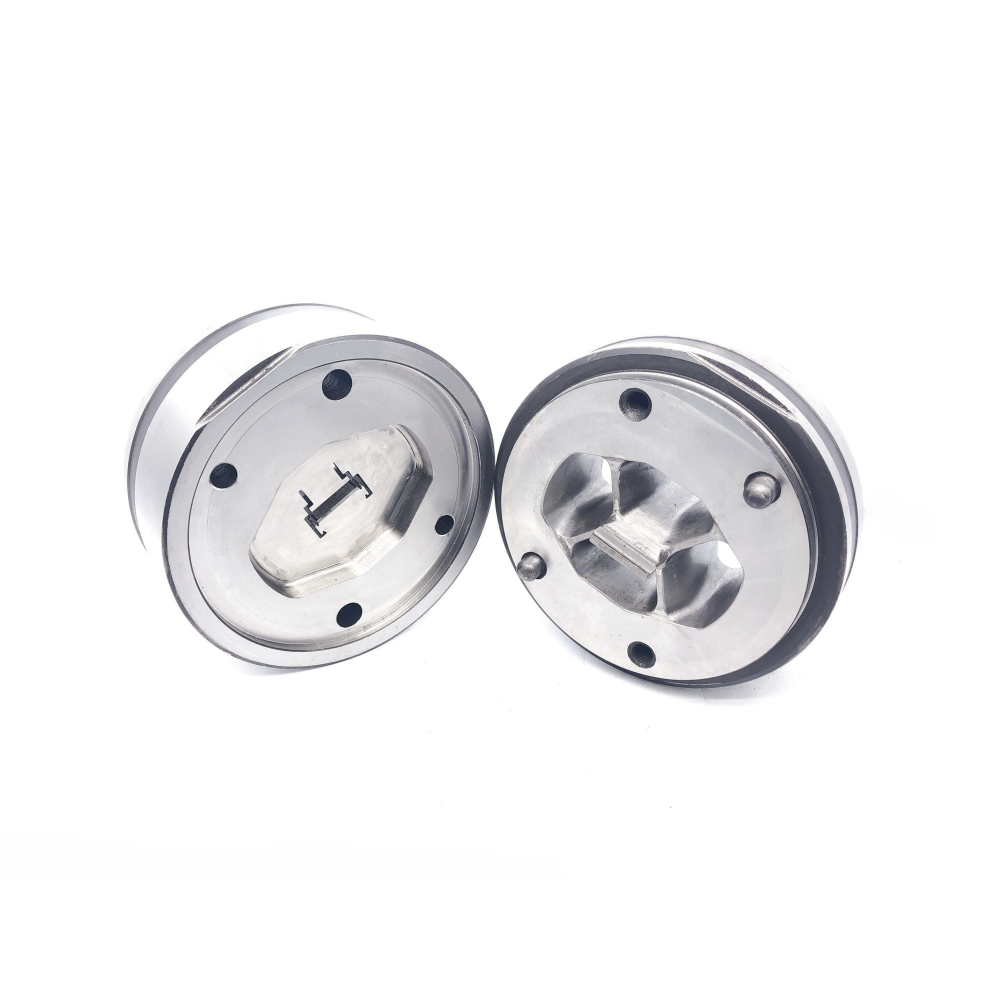
Thermal Break Windows Extrusion Dies play a crucial role in the manufacturing of thermal break windows, which are widely used in the construction industry due to their energy efficiency and insulation properties. These dies are responsible for shaping and extruding the aluminum profiles that form the core of the thermal break windows.
The importance of Thermal Break Windows Extrusion Dies lies in their ability to create precise and complex profiles that meet the specific requirements of thermal break windows. These profiles are designed to accommodate the thermal barrier, usually made of polyamide, which separates the internal and external aluminum sections to prevent energy transfer.
One of the key roles of Thermal Break Windows Extrusion Dies is to ensure the proper formation of the thermal barrier channel within the aluminum profiles. The die is engineered to create a precise cavity that allows for the insertion of the thermal barrier material during the extrusion process. This ensures the structural integrity and thermal performance of the final product.
Furthermore, the quality and accuracy of the extruded profiles greatly depend on the design and condition of the extrusion dies. The die must be meticulously designed to achieve the desired shape and dimensions of the profiles. It should also be properly maintained and inspected regularly to prevent wear and damage that could affect the profile quality.
Thermal Break Windows Extrusion Dies also play a role in optimizing the production process. They are designed to improve the efficiency and productivity of the extrusion line, reducing material waste and minimizing downtime for die changes. Additionally, the die design can incorporate features that facilitate the integration of other components, such as glazing gaskets or hardware, to streamline the assembly of the final thermal break windows.
In conclusion, Thermal Break Windows Extrusion Dies are of paramount importance in the manufacturing of thermal break windows. They enable the production of precise and complex aluminum profiles that accommodate the thermal barrier and meet the energy efficiency standards required in the construction industry. By ensuring the quality, accuracy, and efficiency of the extrusion process, these dies contribute to the production of high-performance thermal break windows that offer improved insulation and energy savings.
2. Structure and composition
2. Structure and composition
Thermal Break Windows Extrusion Dies are complex tools that are used in the manufacturing of thermal break windows. These dies are designed to extrude aluminum profiles that can accommodate the thermal barrier, which separates the internal and external aluminum sections to prevent energy transfer.
The structure and composition of Thermal Break Windows Extrusion Dies are crucial to their performance. These dies are typically made of high-strength steel or aluminum and consist of several components that work together to shape and extrude the aluminum profiles. The primary components of Thermal Break Windows Extrusion Dies include:
Die Body: The die body is the main component of the extrusion die and is responsible for shaping the aluminum profile. It is generally made of high-strength steel or aluminum and is designed to withstand the high pressures and temperatures encountered during the extrusion process.
Die Inserts: The die inserts are removable components that fit into the die body and provide the final shape and dimensions of the aluminum profile. These inserts are typically made of high-strength steel and are custom-designed to meet the specific requirements of each extrusion job.
Heating System: The heating system is an integral component of the extrusion die and is responsible for heating the aluminum billets to the proper temperature for extrusion. This system typically consists of a series of electric heating elements that are embedded in the die body.
Cooling System: The cooling system is another important component of the extrusion die and is responsible for cooling the aluminum profile after it has been extruded. This system typically consists of a series of water-cooled channels that are embedded in the die body and help to control the temperature of the aluminum profile.
Controls: The controls for the extrusion die typically include temperature and pressure sensors, as well as a programmable logic controller (PLC) that monitors and controls the extrusion process.
In conclusion, the structure and composition of Thermal Break Windows Extrusion Dies are essential to their performance and the quality of the aluminum profiles that they produce. These dies are complex tools that consist of several components, including the die body, die inserts, heating and cooling systems, and controls. By working together, these components enable the precise shaping and extrusion of aluminum profiles that meet the specific requirements of thermal break windows.
3. Manufacturing process

The manufacturing process of Thermal Break Windows Extrusion Dies involves several steps that ensure the production of high-quality dies capable of shaping and extruding aluminum profiles for thermal break windows. Here is an overview of the manufacturing process:
Design: The first step in the manufacturing process is the design of the extrusion die. This involves the creation of detailed drawings and specifications that define the shape, dimensions, and features of the die. Computer-aided design (CAD) software is often used to create the die design, which takes into account factors such as the desired profile shape, thermal barrier requirements, and overall performance goals.
Material Selection: Once the die design is finalized, the appropriate materials are selected for the die construction. High-strength steel or aluminum alloys are commonly used due to their excellent durability and resistance to high pressures and temperatures. The material selection is based on the specific requirements of the die, including its size, complexity, and expected lifespan.
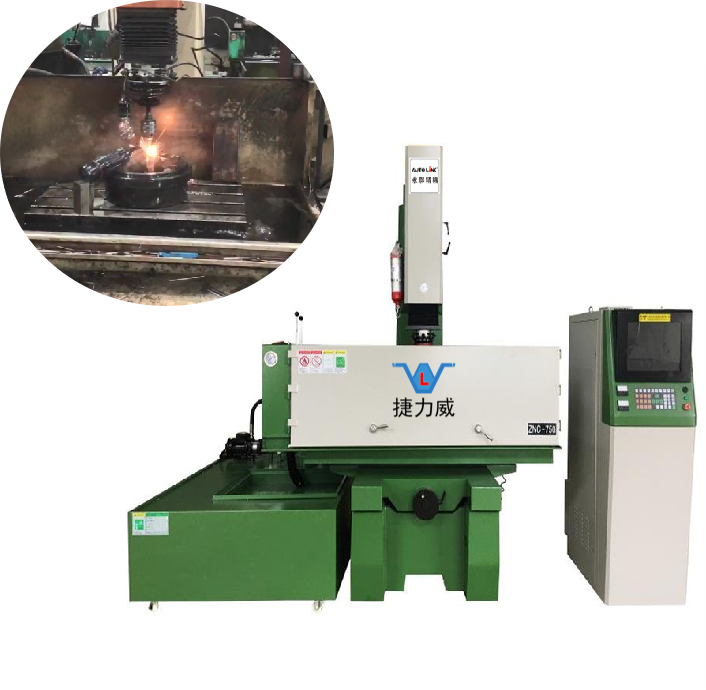
Die Fabrication: The selected material is then machined and shaped to create the various components of the die, including the die body and inserts. Precision machining techniques, such as milling, drilling, and grinding, are employed to ensure the accurate dimensions and smooth surface finish of the die components. Advanced machining equipment, including computer numerical control (CNC) machines, are often utilized to achieve the desired precision.
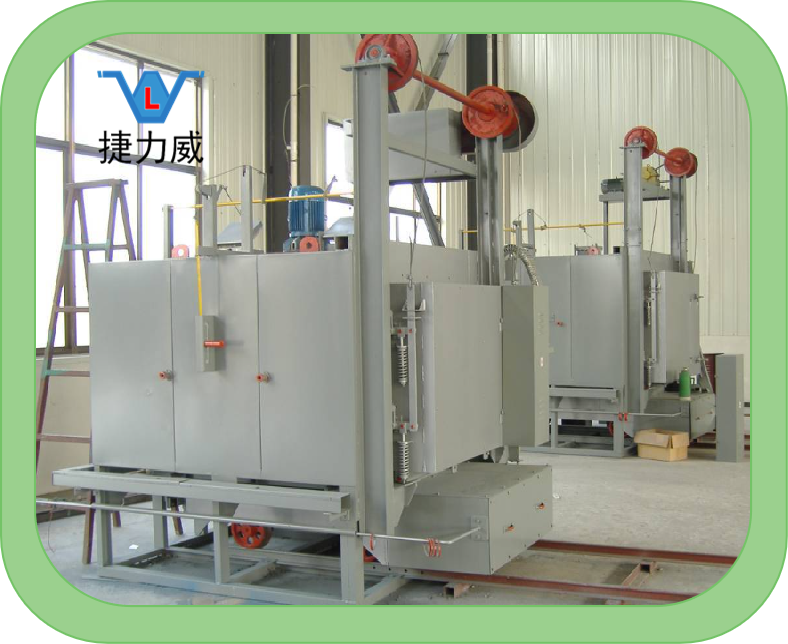
Heat Treatment: After the fabrication process, the die components may undergo heat treatment to enhance their mechanical properties. Heat treatment techniques, such as annealing or quenching, are employed to improve the hardness, toughness, and overall strength of the die components. This ensures that the dies can withstand the high pressures and temperatures experienced during the extrusion process.
Assembly: Once the individual components are fabricated and heat-treated, they are carefully assembled to create the complete extrusion die. The die inserts are precisely fitted into the die body, ensuring proper alignment and functionality. The assembly process may involve the use of specialized tools and equipment to achieve the desired accuracy.
Testing and Quality Control: Before the extrusion dies are ready for use, they undergo rigorous testing and quality control procedures. These tests may include dimensional checks, surface finish inspections, and performance evaluations to ensure that the dies meet the required specifications and performance standards. Any deviations or issues identified during the testing phase are addressed and resolved before the dies are approved for production.
In conclusion, the manufacturing process of Thermal Break Windows Extrusion Dies involves the design, material selection, fabrication, heat treatment, assembly, and testing of the dies. This meticulous process ensures the production of high-quality dies capable of shaping and extruding aluminum profiles that meet the specific requirements of thermal break windows.
4. Use and maintenance, and common troubleshooting methods
4. Use and maintenance, and common troubleshooting methods
The use and maintenance of Thermal Break Windows Extrusion Dies are critical to ensuring their optimal performance and longevity. Here are some key points about using and maintaining these dies, as well as common troubleshooting methods:
Use: To use Thermal Break Windows Extrusion Dies, the aluminum billets are preheated and fed into the die where they are shaped and extruded into the desired profiles. It is important to follow the manufacturer's instructions for the proper operation of the die, including temperature and pressure settings, and to ensure that the billets are properly heated before entering the die.
Maintenance: Regular maintenance of Thermal Break Windows Extrusion Dies is essential to prolong their lifespan and maintain their performance. This includes cleaning the die regularly to remove any buildup or debris, inspecting the die for wear or damage, and replacing any damaged or worn components. It is also important to properly lubricate the die components to ensure smooth operation and prevent excess wear.
Troubleshooting: If issues arise during the use of Thermal Break Windows Extrusion Dies, there are several common troubleshooting methods that can be employed. These include adjusting the temperature or pressure settings, inspecting the billets for defects or inconsistencies, and checking the die components for wear or damage. Additionally, regular maintenance and inspection can help prevent issues from occurring in the first place.
Component replacement: Over time, certain components of Thermal Break Windows Extrusion Dies may need to be replaced due to wear or damage. These components may include die inserts, heating elements, cooling channels, or controls. It is important to use high-quality replacement components that are designed specifically for the die to ensure optimal performance and longevity.
In conclusion, the use and maintenance of Thermal Break Windows Extrusion Dies is critical to their performance and longevity. By following proper operating procedures, conducting regular maintenance and inspections, and employing common troubleshooting methods, these dies can continue to produce high-quality aluminum profiles for thermal break windows.
5. Application areas
5. Application areas
Thermal Break Windows Extrusion Dies have a wide range of applications in the manufacturing industry. Here are some of the key areas where these dies are commonly used:
Thermal Break Windows: The primary application of Thermal Break Windows Extrusion Dies is in the production of thermal break windows. These windows feature a thermal barrier between the internal and external aluminum sections to prevent energy transfer. The dies are custom-designed to extrude the aluminum profiles that can accommodate the thermal barrier.
Curtain Walls: Curtain walls are popular in commercial buildings and use a series of aluminum frames to support the exterior of the building. Thermal Break Windows Extrusion Dies are used to manufacture the aluminum profiles needed to create the curtain walls.
Doors: The doors of commercial and residential buildings are another area where Thermal Break Windows Extrusion Dies are commonly used. The dies are used to extrude the aluminum profiles needed to create the door frames.
Skylights: Skylights are popular in residential and commercial buildings to bring in natural light. Thermal Break Windows Extrusion Dies are used to create the aluminum profiles that support the glass panels of the skylights.
Greenhouses: Greenhouses require aluminum frames to support the glass panels that cover them. Thermal Break Windows Extrusion Dies are used to create the aluminum profiles needed to construct the frames for the greenhouse.
Automotive: Thermal Break Windows Extrusion Dies are also used in the automotive industry to manufacture various components such as window frames, sunroofs, and door frames. These components require the use of high-strength aluminum alloy, which can be extruded using the dies.
Aerospace: The aerospace industry requires lightweight and durable components that can withstand the extreme conditions of space. Thermal Break Windows Extrusion Dies are used to manufacture aluminum profiles that are used in various components of space vehicles.
In conclusion, Thermal Break Windows Extrusion Dies are a versatile tool that finds applications in various industries. From manufacturing thermal break windows to constructing greenhouses, these dies are essential in producing high-quality aluminum profiles that meet specific requirements. With their precision and efficiency, Thermal Break Windows Extrusion Dies have become an essential tool in the manufacturing industry.
6. Development trends
6. Development trends
Thermal Break Windows Extrusion Dies are specially designed tools used in the manufacturing of thermal break windows. These dies are an important component in the extrusion process, which involves the creation of a continuous profile of the aluminum frame used in thermal break windows. The extrusion process is critical in the production of thermal break windows, as it helps to improve the insulation properties of the window frame.
Thermal Break Windows Extrusion Dies are made from high-quality materials that are able to withstand the high pressures and temperatures required in the extrusion process. The dies are designed to produce a precise and consistent profile, ensuring that the aluminum frame is of high quality and meets the required specifications.
One of the key benefits of using Thermal Break Windows Extrusion Dies is that they help to improve the energy efficiency of the windows. The thermal break technology used in these windows helps to prevent heat transfer, ensuring that the windows are able to retain heat during winter and keep the interior cool during summer. The use of these extrusion dies in the manufacturing process helps to ensure that the thermal break is applied evenly and precisely, resulting in windows that are of high quality and offer superior insulation properties.
Another important benefit of using Thermal Break Windows Extrusion Dies is that they help to reduce manufacturing costs. The extrusion process is faster and more efficient when using these dies, as they are able to produce a consistent profile that requires less finishing work. This helps to reduce waste and increase productivity, resulting in a more cost-effective manufacturing process.
In recent years, there has been a growing trend towards the use of thermal break windows in the construction industry. This trend is being driven by the increasing demand for energy-efficient buildings and the need to reduce carbon emissions. As a result, the use of Thermal Break Windows Extrusion Dies is becoming more widespread, as manufacturers look for ways to improve the quality and efficiency of their production processes.
In conclusion, Thermal Break Windows Extrusion Dies are an essential component in the manufacturing of thermal break windows. These dies help to improve the insulation properties of the windows, reduce manufacturing costs, and meet the growing demand for energy-efficient buildings. As the trend towards thermal break windows continues to grow, the use of these extrusion dies is expected to become even more widespread in the future.
Foshan Jieliwei Metal Products Co., Ltd., formerly known as Jieliwei Hardware Processing Factory, was established in October 2006 and upgraded to Foshan Jieliwei Metal Products Co., Ltd. in 2020. The company is located in Sanshui District, Foshan City, Guangdong Province, covering an area of 7000 square meters and employing 200 people.
Our company mainly produces aluminum profile extrusion molds, with a complete mold design, mold programming, and professional product development team. Moreover, the mold production process is mature (including 15 production processes such as cutting, lathe, machining center, wire cutting, electric spark, heat treatment, slow wire cutting, etc.), and we have a complete team of after-sales services.Product Categories:Architectural Aluminum Profile extrusion Dies,Thermal Break Windows Extrusion Dies,Casement Window Profile Extrusion Dies,Curtain Wall Profile Extrusion Dies,Lighting Aluminium Profile Extrusion Dies,Staircase Handrail Profile Extrusion Dies,Photovoltaic Aluminium Profile Extrusion Dies.
Our company has obtained many patents for mold design and processing technology, and has been awarded the title of Foshan High tech Enterprise. The monthly production capacity ranges from 5000 to 6000 sets, with main products including industrial products, radiators, solar houses, building materials, automobiles, solar energy frames, bathroom aluminum molds, etc.