

Casement Window Profile Extrusion Dies are an essential tool used in the manufacturing of casement windows. These dies are responsible for creating a precise and consistent profile of the aluminum frame used in casement windows. The profile is created through extrusion, which involves the use of high pressure and temperature to shape the aluminum into the desired shape.
The role of Casement Window Profile Extrusion Dies is critical in ensuring the quality of the final product. The dies are designed to produce a profile that meets the required specifications for the casement window. They are made from high-quality materials that can withstand the high pressure and temperature required in the extrusion process.
One of the key benefits of using Casement Window Profile Extrusion Dies is that they help to reduce manufacturing costs. The extrusion process is faster and more efficient when using these dies, as they are able to produce a consistent profile that requires less finishing work. This helps to reduce waste and increase productivity, resulting in a more cost-effective manufacturing process.
Another important benefit of using Casement Window Profile Extrusion Dies is that they help to improve the energy efficiency of the windows. The precise and consistent profile created by the dies ensures that the aluminum frame fits snugly against the window sash, preventing any air leaks. This helps to prevent heat loss during the winter months and keep the interior of the building cool during the summer months.
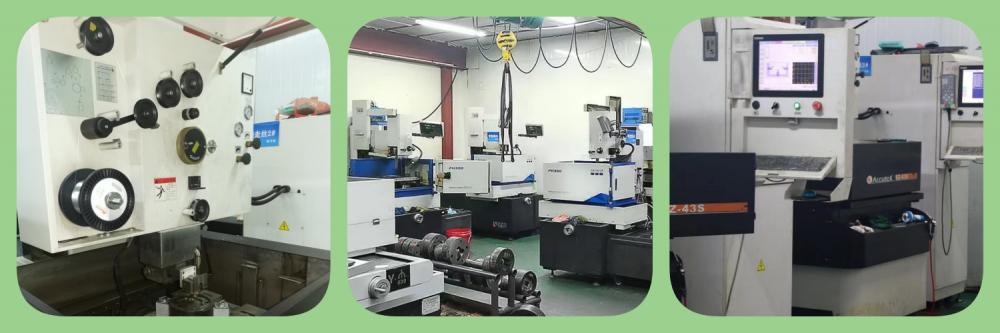
In recent years, there has been a growing trend towards the use of energy-efficient windows in the construction industry. This trend is being driven by the increasing demand for sustainable buildings and the need to reduce carbon emissions. As a result, the use of Casement Window Profile Extrusion Dies is becoming more widespread, as manufacturers look for ways to improve the quality and efficiency of their production processes.
In conclusion, Casement Window Profile Extrusion Dies are an essential tool in the manufacturing of casement windows. They help to improve the energy efficiency of the windows, reduce manufacturing costs, and meet the growing demand for sustainable buildings. As the trend towards energy-efficient windows continues to grow, the use of these extrusion dies is expected to become even more widespread in the future.
2. Structure and composition
2. Structure and composition
Casement windows are a popular choice among homeowners due to their elegant design and functionality. They are windows that are hinged at the side and open outward, providing a clear view and maximum ventilation. To produce these windows, Casement Window Profile Extrusion Dies are used.
These extrusion dies are a crucial component in the manufacturing process of casement windows. They are used to produce the profiles of the window frames, which can be made of various materials such as aluminum, vinyl, or PVC. The extrusion dies are designed to shape and mold the raw material into the desired profile shape, ensuring a consistent and accurate product.
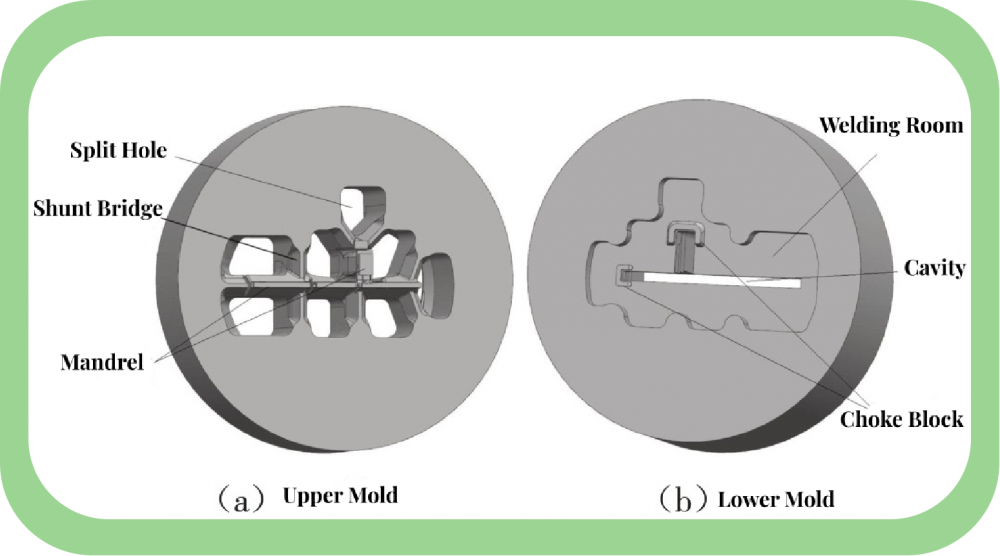
The structure of Casement Window Profile Extrusion Dies is made up of several components. The die itself is typically made of high-grade steel, which allows for a longer lifespan and durability. The die will contain a specially designed cavity that will create the desired shape of the profile. The die will also have a sprue, which is a channel that allows for the raw material to be introduced into the die cavity.
The composition of the Casement Window Profile Extrusion Dies is also an important factor to consider. The die is typically made of several components, including the die body, die inserts, and die holders. These components are made of different materials, such as steel, carbide, or ceramic, depending on the specific application and material being extruded. The composition of the die will determine its strength, durability, and resistance to wear and tear.
In addition to the structure and composition of Casement Window Profile Extrusion Dies, there are several other factors to consider when choosing the right die for the job. These include the size and shape of the profile, the material being extruded, and the required tolerances and surface finish.
In conclusion, Casement Window Profile Extrusion Dies are a critical component in the production of casement windows. They are designed to shape and mold the raw material into the desired profile shape, ensuring a consistent and accurate product. The structure and composition of the die are important factors to consider when choosing the right die for the job, as well as other factors such as profile size, material, and required tolerances. With the right die, manufacturers can produce high-quality casement windows that will provide years of reliable service.
3. Manufacturing process
3. Manufacturing process
The manufacturing process of Casement Window Profile Extrusion Dies involves several steps, each of which plays a crucial role in producing high-quality dies that meet the specific requirements of the application.
The first step in the manufacturing process is designing the die. This involves working closely with the customer to understand their unique needs and requirements. The design process takes into account factors such as the size and shape of the profile, the material being extruded, and the required tolerances and surface finish. Once the design is finalized, it is translated into a detailed drawing that serves as the blueprint for the manufacturing process.
The next step in the manufacturing process is selecting the materials. The die is typically made of high-grade steel, which offers excellent durability, strength, and resistance to wear and tear. Depending on the specific application and material being extruded, other materials such as carbide or ceramic may also be used.
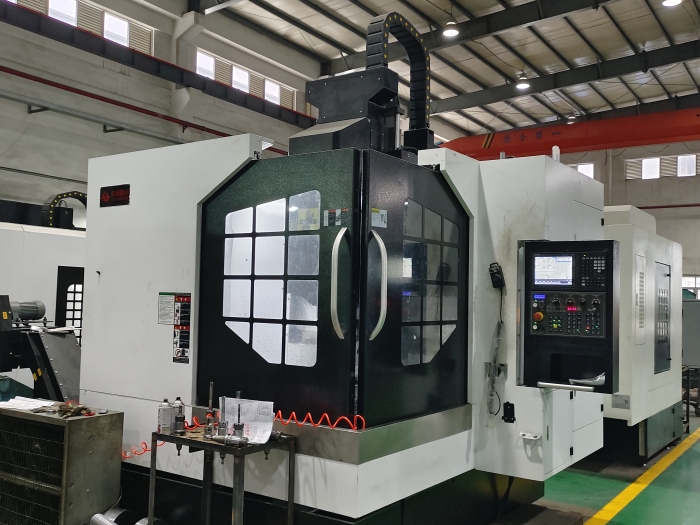
After the materials have been selected, the die is then manufactured using a combination of cutting-edge technologies and traditional manufacturing techniques. The die body is typically machined using computer-controlled machines, which ensure precise and accurate cuts. The die inserts and holders are similarly manufactured using a combination of machining and traditional forging techniques.
Once the die has been manufactured, it undergoes a series of quality control tests to ensure that it meets the customer's specifications. These tests typically include a visual inspection, dimensional analysis, and surface finish evaluation. If any issues are detected during the quality control process, the die is either repaired or remanufactured to ensure that it meets the customer's requirements.
Once the die has passed all quality control tests, it is packaged and shipped to the customer. The customer can then use the die to produce high-quality casement window profiles that meet their specific needs and requirements.
In conclusion, the manufacturing process of Casement Window Profile Extrusion Dies is a complex and multi-step process that requires careful attention to detail and precision engineering. From the design process to the selection of materials, to the manufacturing and quality control processes, every step of the process plays a crucial role in producing a high-quality die that meets the customer's unique needs and requirements. With the right die, manufacturers can produce casement windows that are not only aesthetically pleasing but also durable, reliable, and long-lasting.
4. Use and maintenance, and common troubleshooting methods
4. Use and maintenance, and common troubleshooting methods
Casement Window Profile Extrusion Dies are essential tools in the production of casement windows. To ensure their optimal use and longevity, proper maintenance and troubleshooting techniques are crucial.
Firstly, it is important to handle the extrusion dies with care to prevent any damage or misalignment. When installing or removing the dies, it is advisable to follow the manufacturer's instructions to ensure proper alignment and avoid any unnecessary stress on the components.
Regular cleaning is necessary to prevent the build-up of debris and resin on the dies. This can be done by using a soft brush or cloth to remove any dirt or residue. It is important to avoid using abrasive materials or harsh chemicals that may damage the surface of the dies.
Lubrication is another important aspect of maintenance. Applying a suitable lubricant to the moving parts of the die, such as the sprue and ejector pins, can help reduce friction and ensure smooth operation. It is recommended to use lubricants that are compatible with the material being extruded.
In case of any issues or malfunctions during the extrusion process, troubleshooting techniques can be applied. One common problem is die sticking, where the extruded material gets trapped inside the die cavity. This can be resolved by adjusting the temperature and pressure settings, as well as ensuring proper lubrication.
Another common issue is die wear, which can lead to dimensional inaccuracies or rough surface finishes. Regular inspection of the dies is important to detect any signs of wear, such as scratches or dents. In case of wear, the die may need to be reconditioned or replaced to maintain the quality of the extruded profiles.
Die cracking is another problem that may occur, especially when excessive force or pressure is applied during the extrusion process. It is important to ensure that the die is properly designed and manufactured to withstand the specific requirements of the application. If cracking occurs, the die should be replaced to prevent further damage.
Additionally, it is important to regularly inspect the extruded profiles for any defects or inconsistencies. This can help identify any issues with the dies or the extrusion process, allowing for timely adjustments or repairs.
In conclusion, proper use and maintenance of Casement Window Profile Extrusion Dies are essential for their optimal performance and longevity. Regular cleaning, lubrication, and inspection are important aspects of maintenance. Additionally, troubleshooting techniques should be applied to address any issues or malfunctions that may arise during the extrusion process. By following these guidelines, manufacturers can ensure high-quality casement window profiles and maximize the lifespan of their extrusion dies.
5. Application areas
5. Application areas
Casement Window Profile Extrusion Dies are widely used in the manufacturing industry for various applications. These dies are specifically designed to shape and mold the raw materials into the desired profile shape for casement windows. The versatility and flexibility of Casement Window Profile Extrusion Dies make them suitable for a range of application areas.
One of the primary application areas for Casement Window Profile Extrusion Dies is in the construction industry. Casement windows are commonly used in residential and commercial buildings due to their aesthetic appeal and functionality. The extrusion dies play a crucial role in producing the window frames, which can be made of different materials such as aluminum, vinyl, or PVC. The dies ensure precise and consistent shaping of the profile, resulting in high-quality window frames that meet the specific requirements of the construction projects.
Another application area for Casement Window Profile Extrusion Dies is in the automotive industry. Casement windows are also used in the manufacturing of car windows, particularly for side windows that can be opened. These extrusion dies enable the production of window frames that are durable, lightweight, and resistant to various environmental conditions. The dies ensure the accurate shaping of the profiles, allowing for seamless integration of the windows into the car body.
Casement Window Profile Extrusion Dies are also utilized in the furniture industry. Casement windows are commonly incorporated into furniture designs, such as cabinets, display cases, and bookshelves. The extrusion dies enable the production of window frames that complement the overall design and enhance the functionality of the furniture pieces. The accurate shaping and molding capabilities of the dies ensure a precise fit and seamless integration of the windows into the furniture designs.
Additionally, Casement Window Profile Extrusion Dies find applications in the manufacturing of doors and partitions. Casement doors are widely used in residential and commercial buildings for their ease of use and security features. The extrusion dies play a crucial role in producing the door frames, enabling the creation of sturdy and durable structures. Similarly, casement window partitions are commonly used in office spaces to provide privacy without compromising natural light. The extrusion dies facilitate the manufacturing of partition frames that are aesthetically pleasing and functional.
In conclusion, Casement Window Profile Extrusion Dies have a wide range of applications in various industries, including construction, automotive, furniture, and door manufacturing. The dies enable the precise shaping and molding of window and door frames, ensuring high-quality and durable products. With their versatility and flexibility, Casement Window Profile Extrusion Dies continue to be a valuable tool in the manufacturing industry.
6. Development trends
6. Development trends
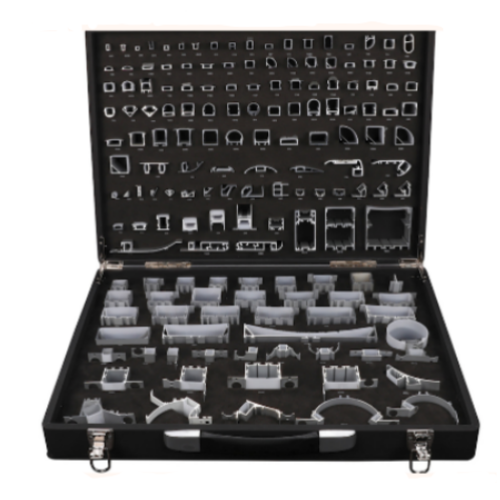
The Casement Window Profile Extrusion Dies industry is constantly evolving, and development trends are emerging to shape its future. These trends are driven by factors such as technological advancements, changing consumer preferences, and increasing competition. In this section, we will discuss some of the current development trends in the Casement Window Profile Extrusion Dies industry.
One of the most significant trends in the industry is the adoption of advanced technologies in the manufacturing process. Computer-aided design (CAD) and computer-aided manufacturing (CAM) software have revolutionized the way extrusion dies are designed and manufactured. These software tools allow for more precise and efficient design, resulting in higher quality products and faster production times. Additionally, automation technologies such as robotics are being increasingly used in the manufacturing process, allowing for greater consistency and repeatability.
Another trend in the industry is the focus on sustainability and environmental responsibility. Customers are becoming more aware of the impact of their purchasing decisions, and manufacturers are responding by offering more environmentally friendly products. This trend is driving the development of new materials and manufacturing processes that reduce waste, energy consumption, and carbon emissions. For example, there is an increasing use of recycled materials in the production of Casement Window Profile Extrusion Dies, which reduces their environmental impact.
Customization is another emerging trend in the industry. Customers are demanding more personalized products that meet their specific needs and preferences. This trend is driving the development of new, flexible manufacturing processes that can produce a wide variety of products in smaller quantities. Manufacturers are also offering more customization options, such as different colors, finishes, and textures, to meet the growing demand for personalized products.
The industry is also seeing a shift towards globalization, with manufacturers expanding their operations to new markets. This trend is driven by the increasing demand for Casement Window Profile Extrusion Dies in emerging markets, such as China and India. Manufacturers are adapting to the specific needs and requirements of these markets, such as offering products that meet local standards and regulations.
Finally, there is a growing trend towards collaboration and partnerships between manufacturers and their customers. Customers are increasingly looking for suppliers that can provide them with more than just products, but also with technical support, training, and assistance in product development. This trend is driving manufacturers to forge closer relationships with their customers and to offer more value-added services.
In conclusion, the Casement Window Profile Extrusion Dies industry is undergoing significant changes, driven by technological advancements, changing consumer preferences, and increasing competition. The adoption of advanced technologies, focus on sustainability, customization, globalization, and collaboration are just some of the key development trends that are shaping the industry’s future. Manufacturers that can adapt to these trends and remain agile and innovative will be best positioned to succeed in this dynamic and competitive industry.
Foshan Jieliwei Metal Products Co., Ltd., formerly known as Jieliwei Hardware Processing Factory, was established in October 2006 and upgraded to Foshan Jieliwei Metal Products Co., Ltd. in 2020. The company is located in Sanshui District, Foshan City, Guangdong Province, covering an area of 7000 square meters and employing 200 people.
Our company mainly produces aluminum profile extrusion molds, with a complete mold design, mold programming, and professional product development team. Moreover, the mold production process is mature (including 15 production processes such as cutting, lathe, machining center, wire cutting, electric spark, heat treatment, slow wire cutting, etc.), and we have a complete team of after-sales services.Product Categories:Architectural Aluminum Profile extrusion Dies,Thermal Break Windows Extrusion Dies,Casement Window Profile Extrusion Dies,Curtain Wall Profile Extrusion Dies,Lighting Aluminium Profile Extrusion Dies,Staircase Handrail Profile Extrusion Dies,Photovoltaic Aluminium Profile Extrusion Dies.
Our company has obtained many patents for mold design and processing technology, and has been awarded the title of Foshan High tech Enterprise. The monthly production capacity ranges from 5000 to 6000 sets, with main products including industrial products, radiators, solar houses, building materials, automobiles, solar energy frames, bathroom aluminum molds, etc.