

1. Role and importance
Architectural aluminum profile extrusion dies are a crucial component in the manufacturing process of aluminum profiles used in construction applications. These dies are used to shape aluminum extrusions into specific profiles that can be used for window frames, door frames, curtain walls, and other architectural applications.
The importance of architectural aluminum profile extrusion dies lies in their ability to create precise and consistent shapes for aluminum profiles. The use of high-quality dies ensures that the extruded profiles meet the required standards for strength, durability, and aesthetics. The precision of the dies also ensures that the profiles can be easily fitted together during the construction process, resulting in a more efficient and cost-effective building project.
The design and manufacture of these dies require a high level of expertise and experience. The dies are typically made from high-grade steel or other materials that can withstand the high temperatures and pressures involved in the extrusion process. The design of the die must also take into account factors such as the desired profile shape, the type of aluminum being used, and the desired finish of the profile.
The use of architectural aluminum profiles in construction has increased in popularity in recent years due to their many advantages. These profiles are lightweight, strong, and corrosion-resistant, making them an ideal choice for buildings in coastal or humid environments. They also offer a wide range of design options, allowing architects and designers to create unique and aesthetically pleasing building facades.
In conclusion, architectural aluminum profile extrusion dies play a critical role in the manufacturing of aluminum profiles used in construction applications. The precision and consistency of the dies ensure that the profiles meet the required standards for strength, durability, and aesthetics, resulting in a more efficient and cost-effective building project. The use of high-quality dies, along with the many advantages of architectural aluminum profiles, makes them a popular choice for modern building design.
2. Structure and composition
2. Structure and composition
Architectural Aluminum Profile extrusion dies are used in the manufacturing of aluminum profiles that are used in architectural applications. These dies play a crucial role in shaping the aluminum extrusions into various profiles that are used in the construction industry for windows, doors, curtain walls, and other architectural elements.
The structure of Architectural Aluminum Profile extrusion dies is carefully designed to meet the specific requirements of each profile design. These dies are typically made from high-quality steel or other durable materials to withstand the high pressures and temperatures involved in the extrusion process. The die consists of a main die that determines the shape of the profile, as well as auxiliary components such as inserts, mandrels, and backers that help in forming intricate details and complex profiles.
The composition of Architectural Aluminum Profile extrusion dies is critical to their performance and longevity. The materials used should have high heat resistance to withstand the intense temperatures generated during the extrusion process. Additionally, the die materials must have excellent wear resistance to ensure a long service life and maintain the dimensional accuracy of the profiles.
Architectural Aluminum Profile extrusion dies are custom-made to suit the specific design requirements of each architectural project. The process of designing and manufacturing these dies involves collaboration between engineers, designers, and extrusion experts to ensure that the dies produce profiles that meet the desired specifications in terms of size, shape, and quality.
In conclusion, Architectural Aluminum Profile extrusion dies are essential tools in the production of aluminum profiles for architectural applications. Their carefully designed structure and high-quality composition enable them to produce precise and high-quality profiles that meet the demanding requirements of the construction industry. These dies play a vital role in shaping the architectural landscape with their ability to create innovative and aesthetically pleasing aluminum profiles for modern buildings and structures.
3. Manufacturing process
3. Manufacturing process
The manufacturing process of Architectural Aluminum Profile extrusion dies involves several steps that are critical to the quality and performance of the final product. The process begins with the design and engineering of the die, which is based on the specific requirements of each architectural project. The design process involves collaboration between engineers, designers, and extrusion experts to ensure that the die produces profiles that meet the desired specifications in terms of size, shape, and quality.
Once the die design is finalized, the manufacturing process begins with the selection of high-quality materials. The materials used to make the die must have high heat resistance to withstand the intense temperatures generated during the extrusion process. The materials must also have excellent wear resistance to ensure a long service life and maintain the dimensional accuracy of the profiles.
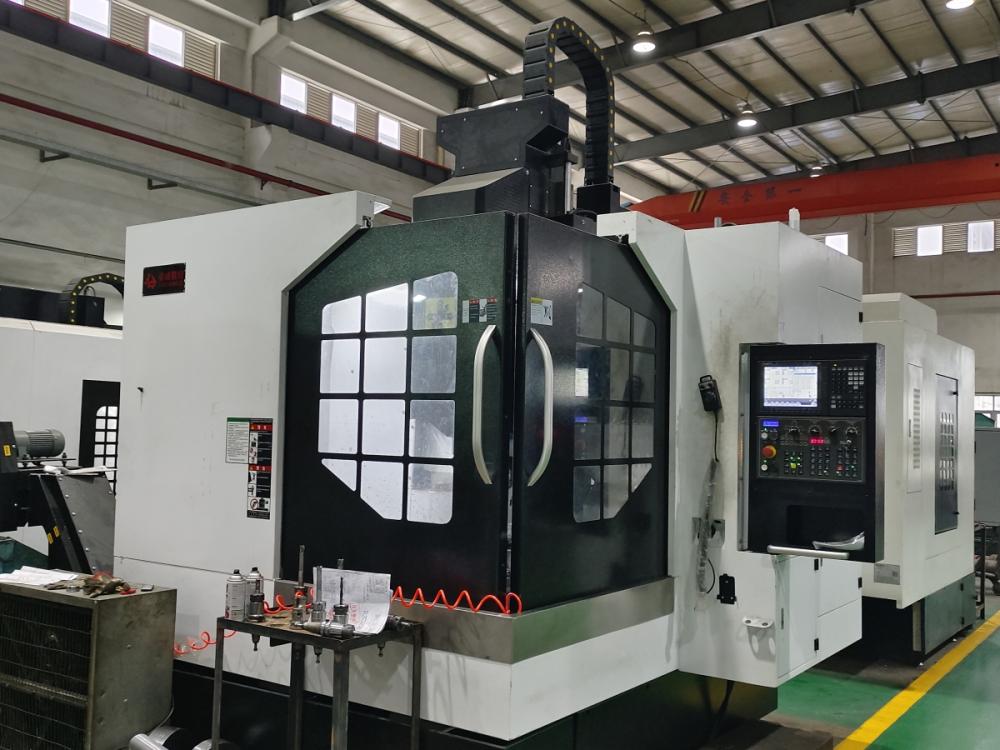
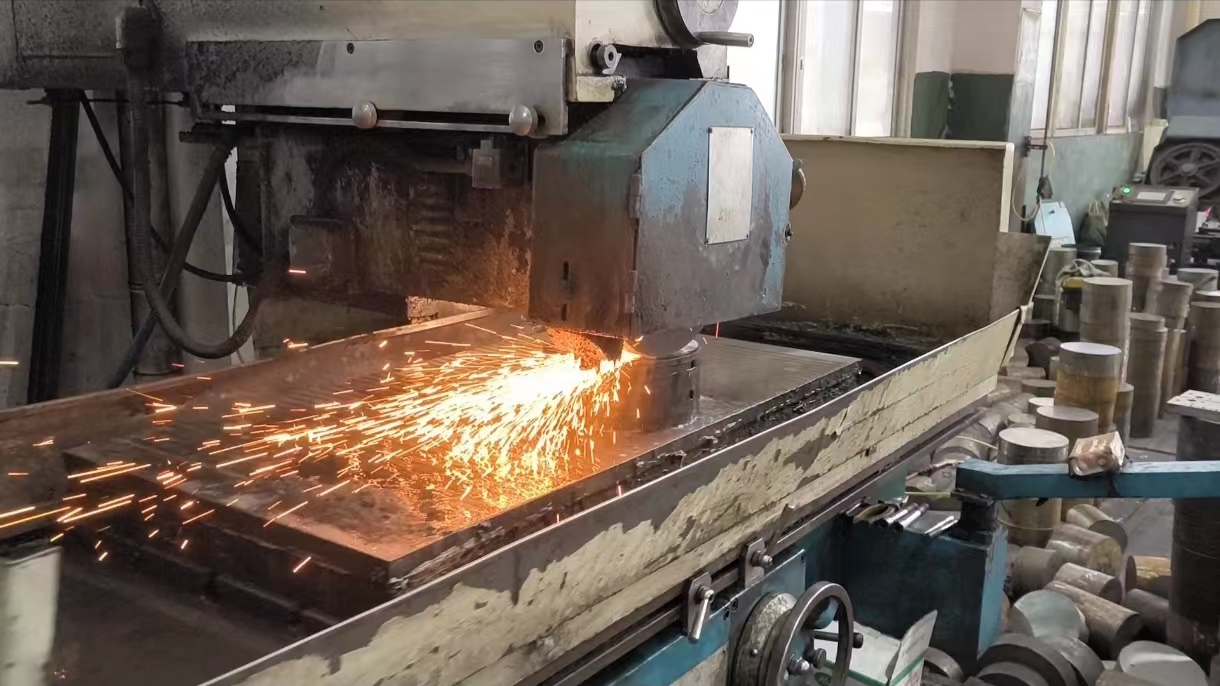
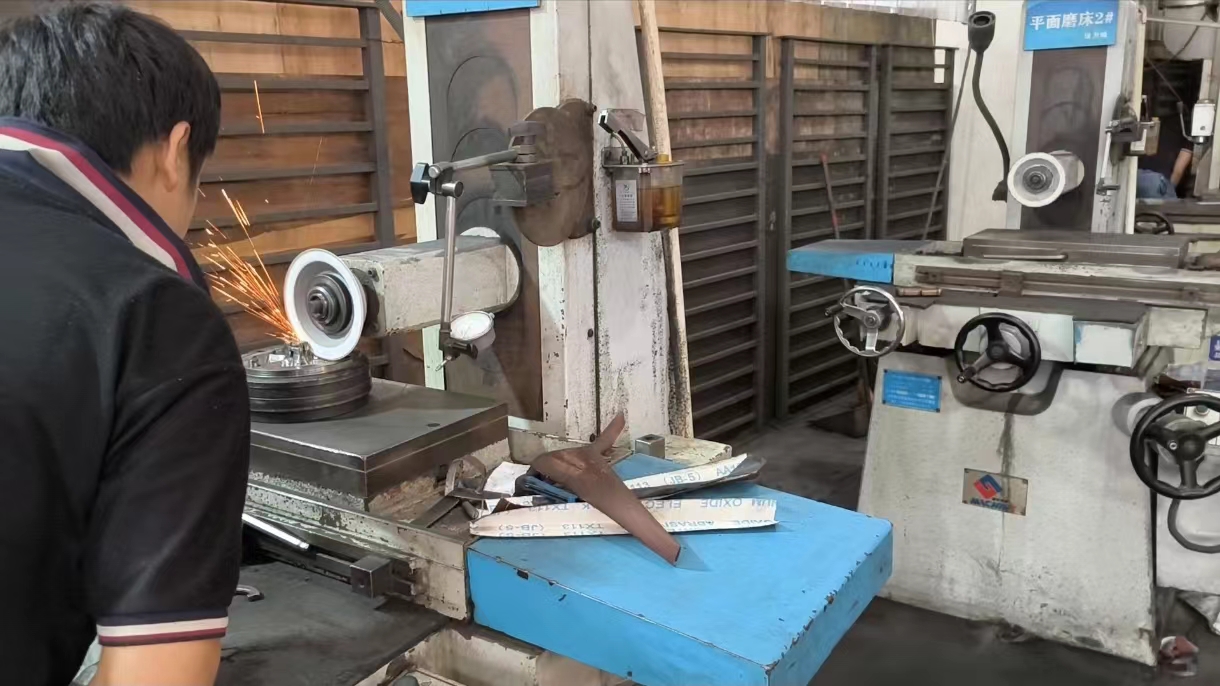
Next, the die is machined to create the desired shape and features. This process involves precision cutting and drilling using advanced CNC machines. The machined die is then hardened to increase its durability and resistance to wear and tear.
After the die is machined and hardened, it is assembled with various auxiliary components such as inserts, mandrels, and backers. These components help to form intricate details and complex profiles during the extrusion process. The assembly process requires careful attention to detail to ensure that all components are properly aligned and secured.
Once the die is fully assembled, it is tested for quality and performance. This process involves running test extrusions to ensure that the die produces profiles that meet the desired specifications. Any adjustments or modifications are made at this stage to ensure that the die produces profiles of consistent quality.
Finally, the die is shipped to the customer for use in the production of architectural aluminum profiles. The customer must employ skilled operators and maintain the die properly to ensure its longevity and optimal performance.
In conclusion, the manufacturing process of Architectural Aluminum Profile extrusion dies is a complex and precise process that involves careful attention to detail and collaboration between experts in engineering, design, and extrusion. The quality and performance of the final product depends on the materials used, the precision of the machining process, and the assembly of the die. A well-designed and properly manufactured die can produce high-quality profiles that meet the demanding requirements of the construction industry and help to shape the architectural landscape.
4. Use and maintenance, and common troubleshooting methods
4. Use and maintenance, and common troubleshooting methods
The proper use and maintenance of Architectural Aluminum Profile extrusion dies are essential to ensure their longevity and optimal performance. Operators must follow specific guidelines to ensure that the dies produce high-quality profiles consistently. Maintenance is also necessary to prevent wear and damage to the dies, which can affect their performance and accuracy.
The use of Architectural Aluminum Profile extrusion dies requires skilled operators who understand the extrusion process and can operate the equipment with accuracy and precision. Operators must follow specific guidelines such as maintaining consistent temperatures and pressures, adjusting the die as needed, and monitoring the extrusion process to ensure that the profiles meet the desired specifications. Regular inspections are also necessary to ensure that the die is functioning correctly and producing high-quality profiles.
Maintenance of Architectural Aluminum Profile extrusion dies involves regular cleaning and lubrication of the die. Operators must also inspect the die for signs of wear or damage and replace any worn or damaged components. Additionally, operators must ensure that the die is stored properly and protected from damage during transport.
Common troubleshooting methods for Architectural Aluminum Profile extrusion dies include addressing issues such as profile distortion, dimensional inaccuracy, and surface defects. These issues can arise due to various factors such as incorrect die design, insufficient die maintenance, or improper extrusion process parameters. Troubleshooting methods involve adjusting the extrusion process parameters, modifying the die design, or replacing worn or damaged components.
In conclusion, the use and maintenance of Architectural Aluminum Profile extrusion dies are critical to their performance and longevity. Proper use requires skilled operators who follow specific guidelines, while maintenance involves regular cleaning, lubrication, and inspection. Additionally, common troubleshooting methods are necessary to address issues such as profile distortion, dimensional inaccuracy, and surface defects. By following these guidelines, operators can ensure that the dies produce high-quality profiles consistently and contribute to the construction of innovative and aesthetically pleasing architectural structures.
5. Application areas
Architectural Aluminum Profile extrusion dies are widely used in the construction industry for a variety of applications. Their ability to produce precise and complex profiles makes them an essential tool in the production of aluminum profiles for architectural applications. Here are some of the specific application areas where Architectural Aluminum Profile extrusion dies are used:
Windows and Doors: Architectural Aluminum Profile extrusion dies are commonly used in the manufacturing of windows and doors for commercial and residential buildings. The profiles produced by these dies offer high strength and durability, as well as excellent thermal performance, making them ideal for energy-efficient buildings.
Curtain Walls: Curtain walls are an essential element of modern architecture, providing both aesthetic appeal and functionality. Architectural Aluminum Profile extrusion dies are used to produce the profiles that make up the curtain wall systems. These profiles are engineered to provide structural support and withstand the stresses of wind and other environmental factors.
Façade Systems: Architectural Aluminum Profile extrusion dies are also used in the production of façade systems. These systems are used to cover the exterior of buildings, providing protection from the elements while also enhancing the building's appearance. The profiles produced by these dies offer a range of design options, from sleek and modern to traditional and ornate.
Skylights: Skylights are a popular feature in modern architecture, providing natural light and ventilation to interior spaces. Architectural Aluminum Profile extrusion dies are used to produce the profiles for skylight systems, which offer durability and resistance to weather and other environmental factors.
Structural Systems: Architectural Aluminum Profile extrusion dies are also used in the production of structural systems for buildings. These systems provide structural support for the building while also contributing to its overall aesthetics. The profiles produced by these dies offer high strength and durability, as well as excellent design flexibility.
In conclusion, Architectural Aluminum Profile extrusion dies are used in a wide range of applications in the construction industry. Their ability to produce precise and complex profiles makes them an essential tool in the production of aluminum profiles that offer both functionality and aesthetic appeal. From windows and doors to façade systems and skylights, these dies contribute to the creation of innovative and aesthetically pleasing architectural structures.
6. Development trends
6. Development trends
The Architectural Aluminum Profile extrusion dies industry is constantly evolving, driven by advancements in technology and changes in consumer demand. Here are some of the current development trends in the industry:
Lightweight and Sustainable Materials: Consumers are increasingly concerned about the environmental impact of the products they use, and this has led to a growing demand for lightweight and sustainable materials. Aluminum is one such material, and Architectural Aluminum Profile extrusion dies allow for the creation of lightweight, durable, and sustainable profiles.
Customization: Consumers are looking for customizable solutions that meet their specific needs. Architectural Aluminum Profile extrusion dies allow for the creation of profiles in a wide range of shapes, sizes, and colors, enabling manufacturers to meet the unique needs of their customers.
Energy Efficiency: Energy efficiency is a growing concern in the construction industry, and Architectural Aluminum Profile extrusion dies can help manufacturers create profiles that provide high thermal performance and reduce energy consumption. This can lead to significantly lower energy bills for consumers.
Digitalization: The use of technology, such as 3D modeling and simulation software, is becoming more prevalent in the Architectural Aluminum Profile extrusion dies industry. This technology allows manufacturers to create more precise and efficient dies, reducing waste and increasing productivity.
Automation: Automation is another trend in the industry, with more manufacturers adopting automated processes to improve efficiency and reduce labor costs. This includes the use of robots and other automated equipment in the extrusion process.
Integration: The integration of different manufacturing processes, such as extrusion and surface finishing, is becoming more common in the Architectural Aluminum Profile extrusion dies industry. This allows manufacturers to create fully finished profiles, reducing the need for additional processing and improving efficiency.
In conclusion, the Architectural Aluminum Profile extrusion dies industry is constantly evolving to meet the changing needs of consumers and the demands of the construction industry. The development trends outlined above offer insight into the direction of the industry and the potential for continued growth and innovation.
Foshan Jieliwei Metal Products Co., Ltd., formerly known as Jieliwei Hardware Processing Factory, was established in October 2006 and upgraded to Foshan Jieliwei Metal Products Co., Ltd. in 2020. The company is located in Sanshui District, Foshan City, Guangdong Province, covering an area of 7000 square meters and employing 200 people.
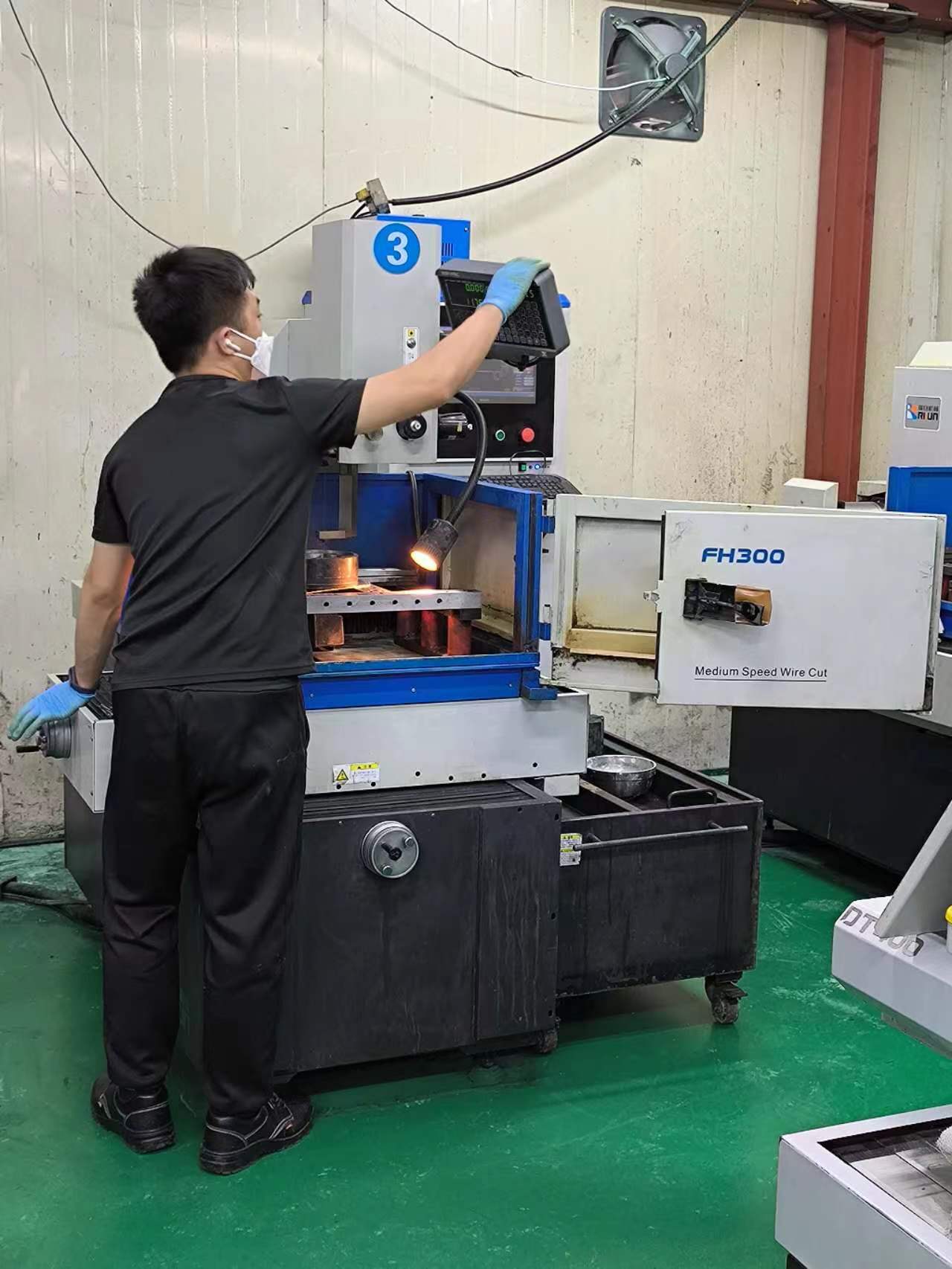
Our company mainly produces aluminum profile extrusion molds, with a complete mold design, mold programming, and professional product development team. Moreover, the mold production process is mature (including 15 production processes such as cutting, lathe, machining center, wire cutting, electric spark, heat treatment, slow wire cutting, etc.), and we have a complete team of after-sales services.Product Categories:Architectural Aluminum Profile extrusion Dies,Thermal Break Windows Extrusion Dies,Casement Window Profile Extrusion Dies,Curtain Wall Profile Extrusion Dies,Lighting Aluminium Profile Extrusion Dies,Staircase Handrail Profile Extrusion Dies,Photovoltaic Aluminium Profile Extrusion Dies.
Our company has obtained many patents for mold design and processing technology, and has been awarded the title of Foshan High tech Enterprise. The monthly production capacity ranges from 5000 to 6000 sets, with main products including industrial products, radiators, solar houses, building materials, automobiles, solar energy frames, bathroom aluminum molds, etc.